


TL;DR: For most iPhone users, a 5,000 mAh MagSafe battery pack delivers a near-full wireless recharge in a slim, pocketable form — making it the clear daily-carry winner. A 10,000 mAh pack is genuinely better for multi-day travel, power-heavy users, or anyone who charges more than one device from dead. If neither extreme sounds right, read on — the answer is almost always in the details of your day, not the spec sheet.

Why the 5,000 mAh vs 10,000 mAh Power Bank Question Actually Matters
Every extra milliampere-hour (mAh) of battery capacity you carry costs you something: weight, thickness, pocket space, and dollars. A 10,000 mAh power bank is not simply "better" than a 5,000 mAh power bank — it's better for certain people. Getting this wrong means you either lug dead weight you never needed, or you run dry right before the meeting, the flight, or the moment you actually need your phone.
This guide cuts through the usual marketing noise. It maps the 5,000 mAh vs 10,000 mAh power bank decision to real carry styles, honest iPhone battery math, and the one question that settles most debates: how far are you from an outlet, and for how long?
What Does mAh Actually Mean?
Milliampere-hours (mAh) measure the raw energy a battery cell can store. The higher the number, the more charge the pack theoretically holds. "Theoretically" is doing a lot of work in that sentence.
Wireless charging — including MagSafe-compatible charging — is inherently less efficient than wired. Energy is lost as heat during inductive transfer, so a 5,000 mAh battery pack will never deliver a full 5,000 mAh to your iPhone. Real-world wireless charging efficiency typically falls in the 70–80% range, varying by pack quality, alignment, ambient temperature, and your iPhone case.
In plain terms: a 5,000 mAh MagSafe battery pack realistically delivers somewhere around 3,500–4,000 mAh to your phone. Keep that conversion in mind throughout this guide — it changes the math significantly.
What Is the Real Difference Between 5,000 mAh and 10,000 mAh?
The difference between a 5,000 mAh and 10,000 mAh power bank goes well beyond a number on the box. Here's where the gap shows up in practice:
- Wireless output: After inductive losses, a 5,000 mAh pack delivers roughly one full iPhone wireless recharge; a 10,000 mAh pack delivers roughly two.
- Size and weight: Doubling capacity means a noticeably larger, heavier device — fine in a backpack, uncomfortable in a jeans pocket.
- Cost: 10,000 mAh packs almost always carry a higher price tag.
- Self-recharge time: A 10,000 mAh pack takes significantly longer to top itself back up overnight.
- Airport screening: Very high-capacity packs attract more scrutiny at TSA checkpoints; 5,000 mAh packs sail through without a second glance.
So when someone asks "is 5,000 mAh or 10,000 mAh better?" the honest answer is: it depends entirely on how long you're away from an outlet and how many devices you need to charge.
How Much Battery Does a Modern iPhone Actually Have?
Apple doesn't publish official battery capacities in mAh, but third-party teardowns and regulatory filings have consistently placed modern iPhones in a range from roughly 3,200 mAh on compact models to over 4,400 mAh on Pro Max variants. The iPhone 16 lineup falls within a similar range depending on the model.
The practical implication: a quality 5,000 mAh MagSafe battery pack — accounting for wireless efficiency losses — has enough real-world output to take most current iPhone models from near-zero to full once. That is a meaningful, complete recharge for the vast majority of daily users.
Is 5,000 mAh Enough for iPhone Daily Use?
For most people, yes — emphatically. Here's the profile of someone for whom 5,000 mAh is the right call:
- You leave home in the morning and return by evening (most workdays, school days, casual travel days).
- Your iPhone regularly ends the day at 20–40% — meaning you need a meaningful top-up, not a complete rebuild from zero.
- You carry your phone in a pocket or small bag and feel every extra gram.
- You want a pack that snaps on and disappears into your routine — not one you notice all day.
- You also carry AirPods and/or an Apple Watch and want one device to handle all three.
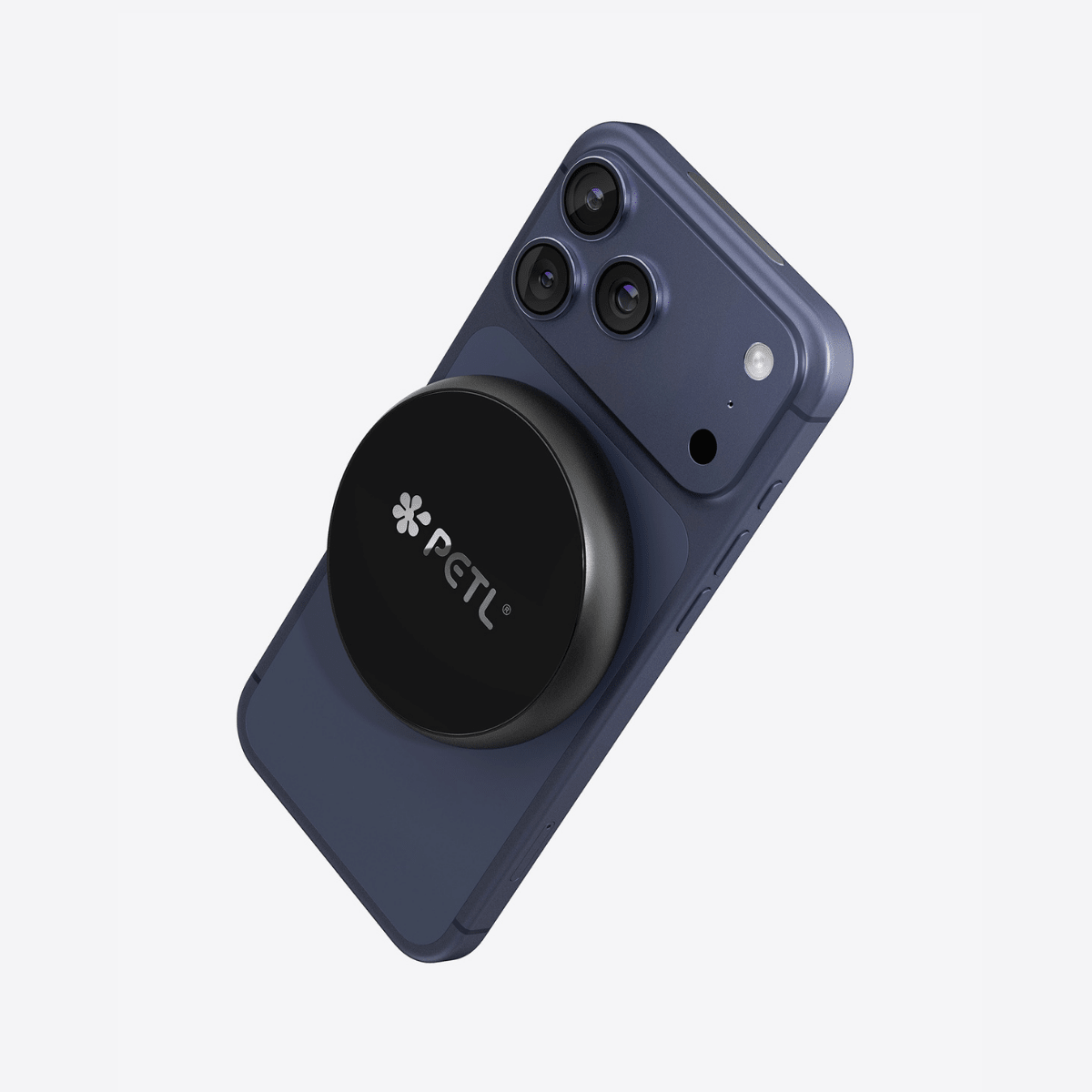
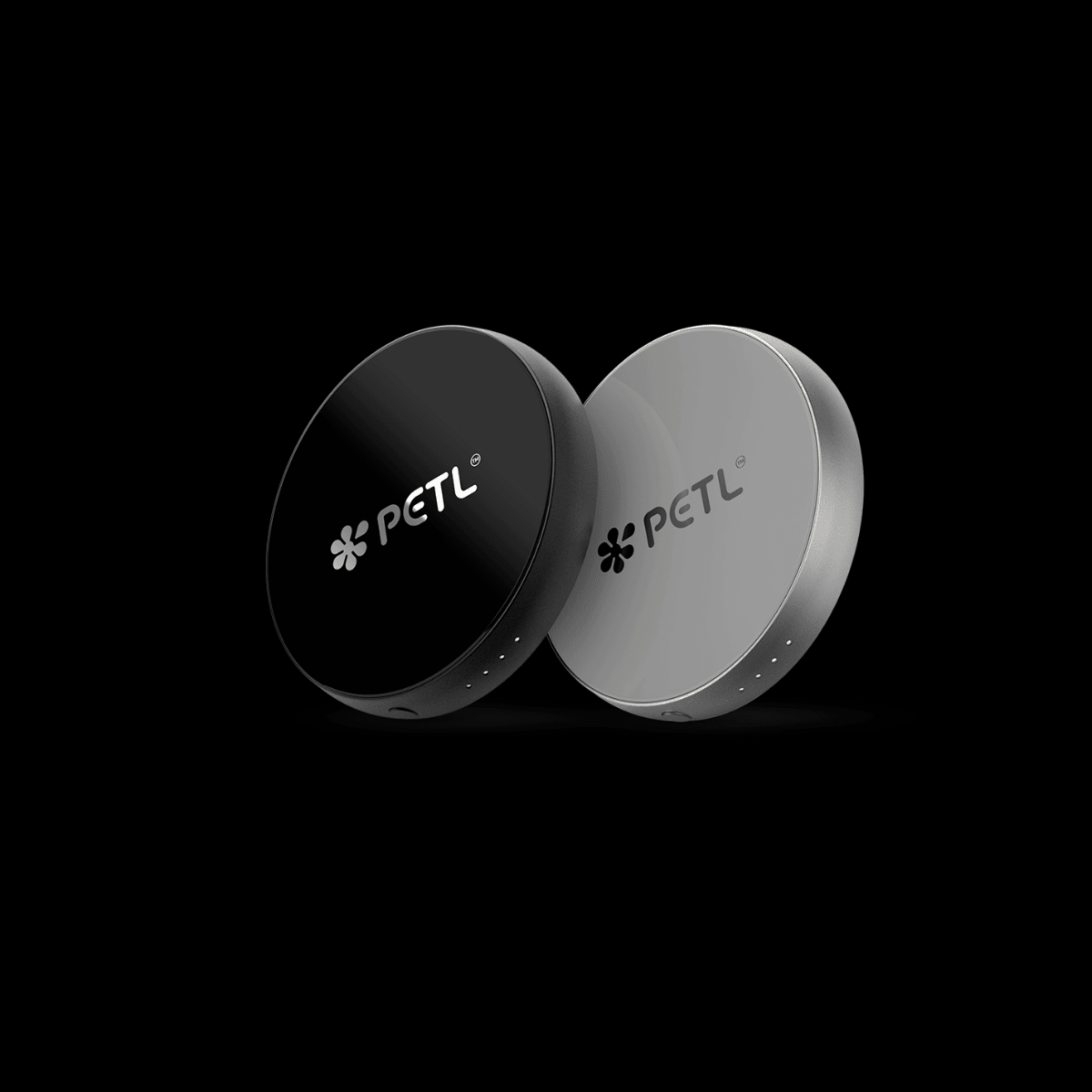
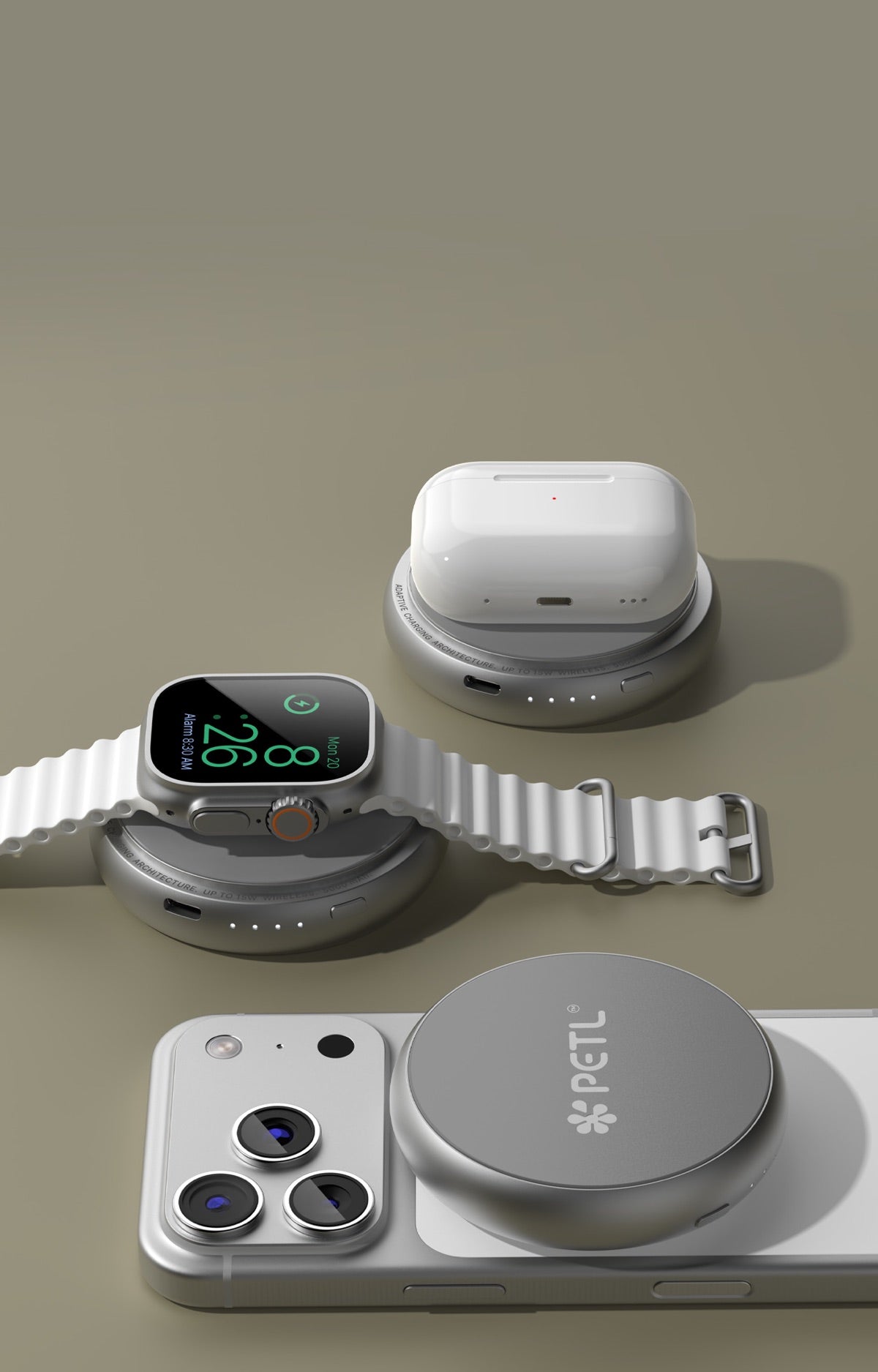
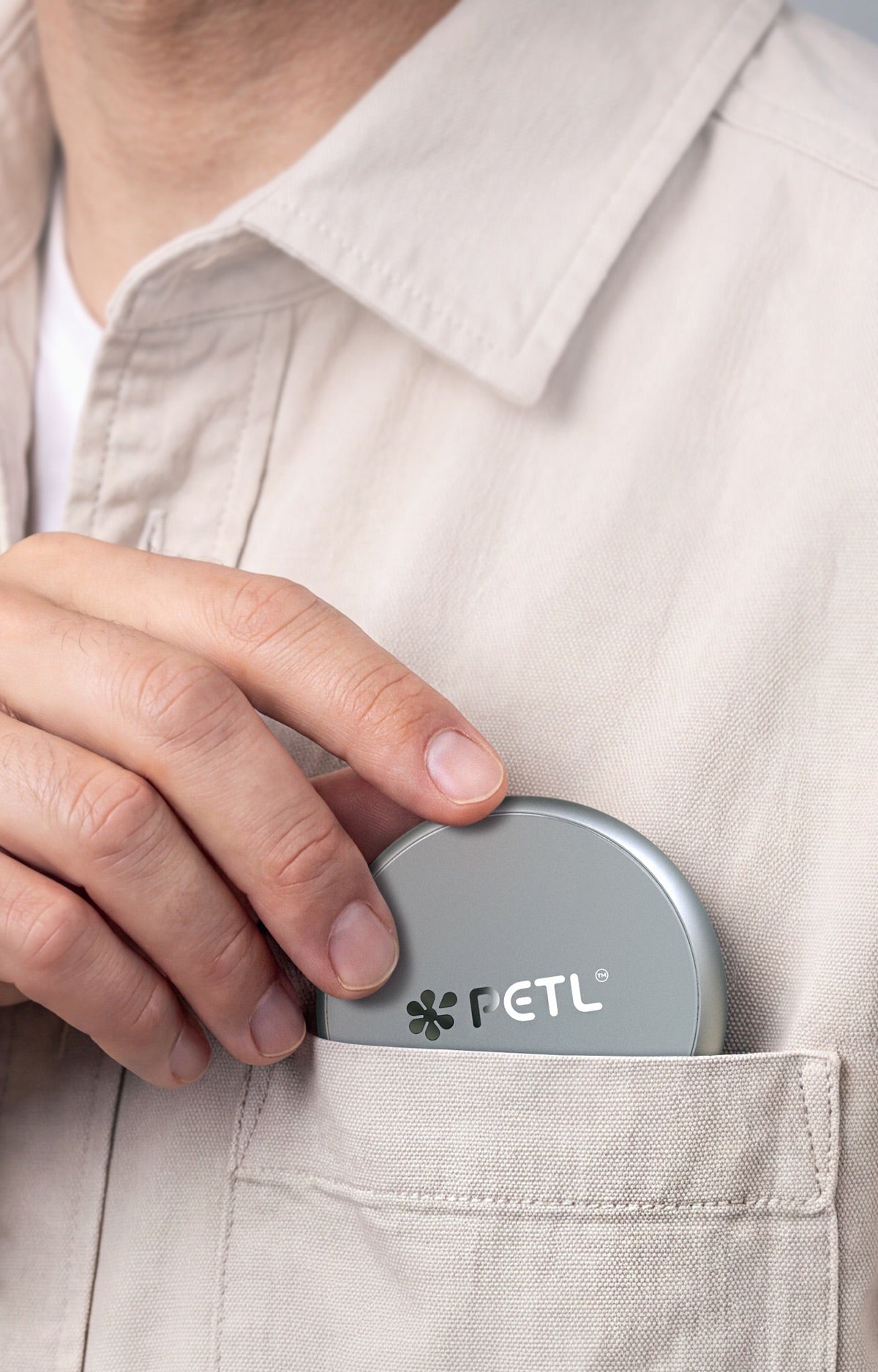
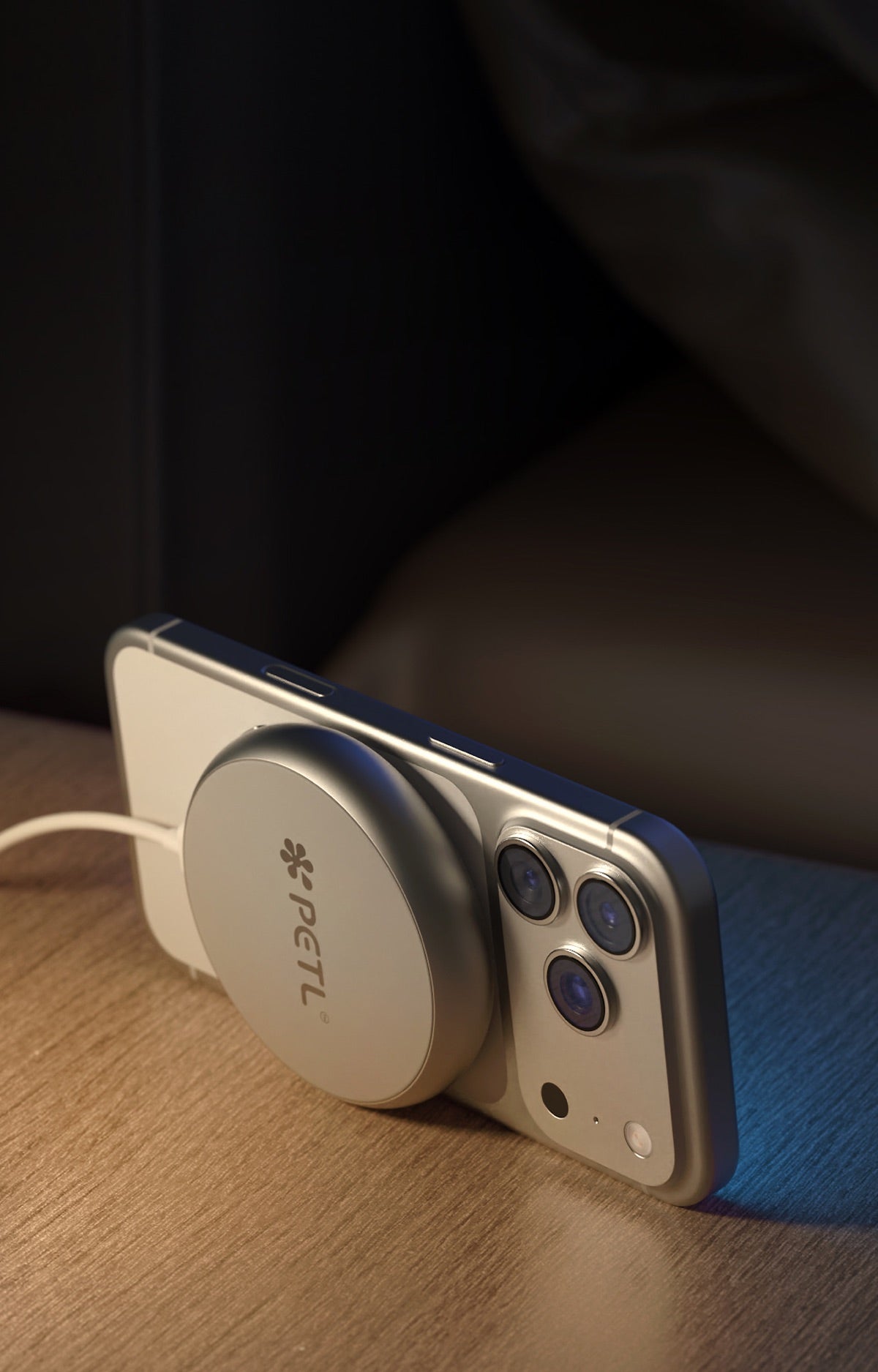
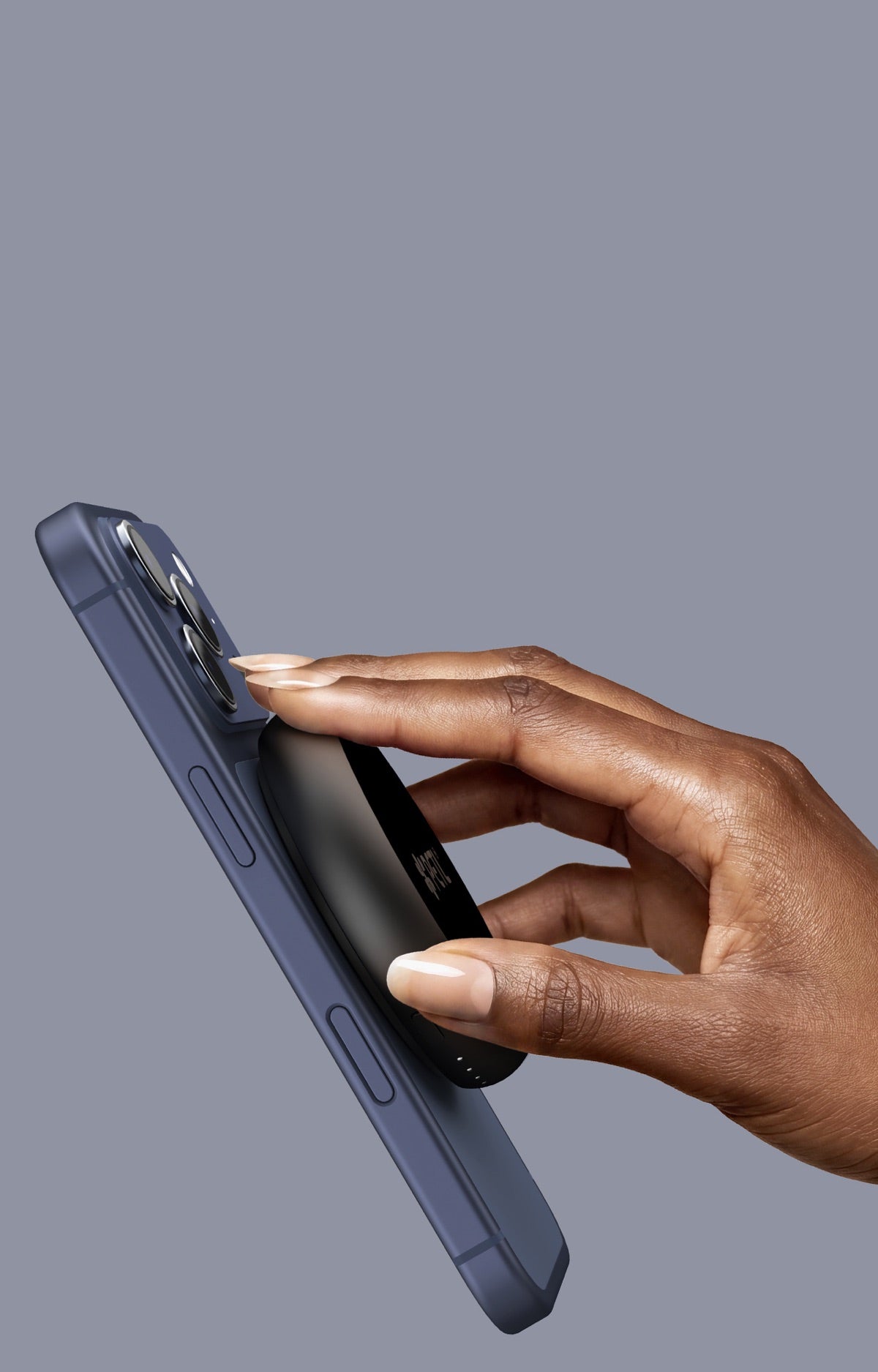
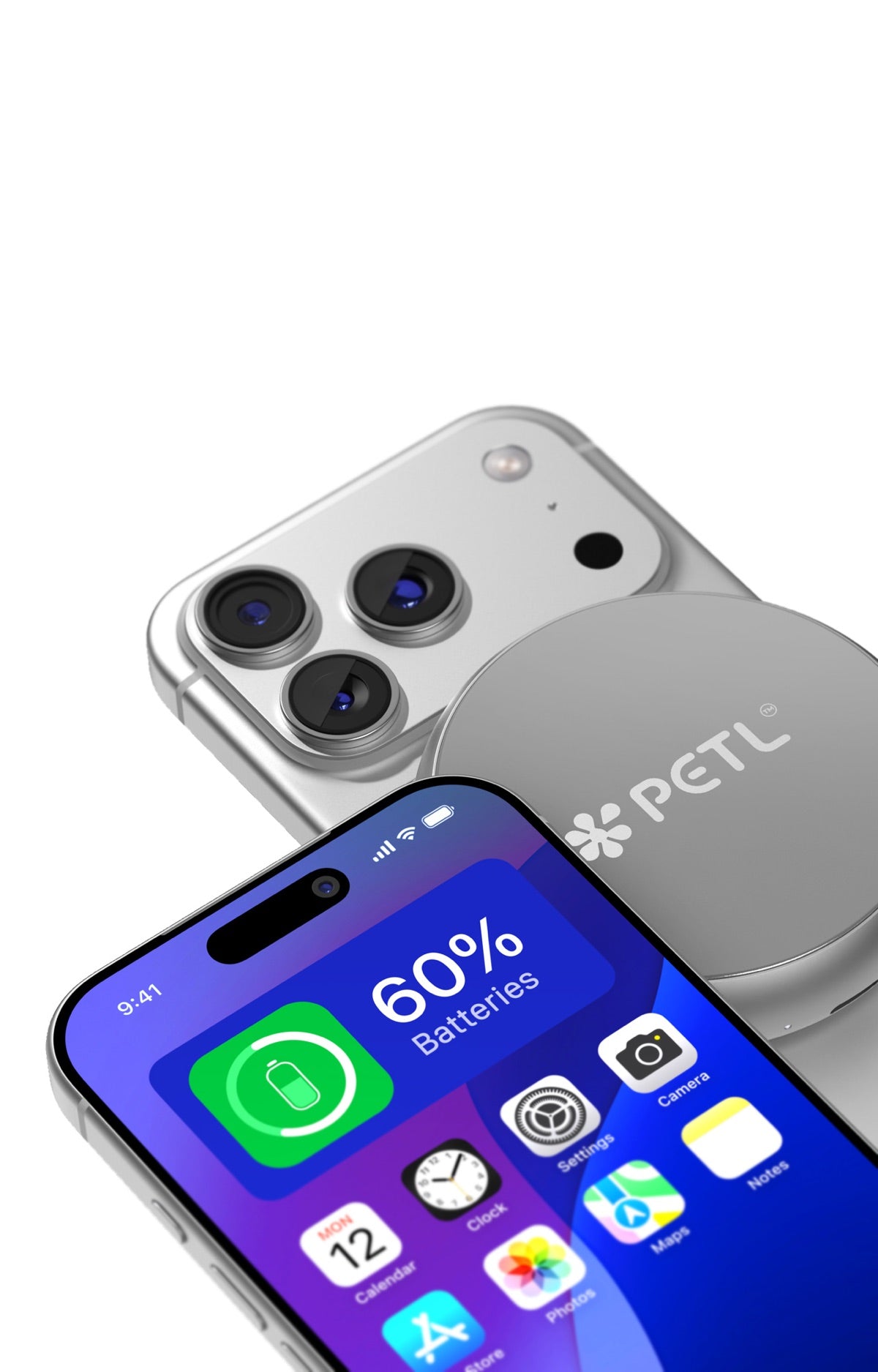
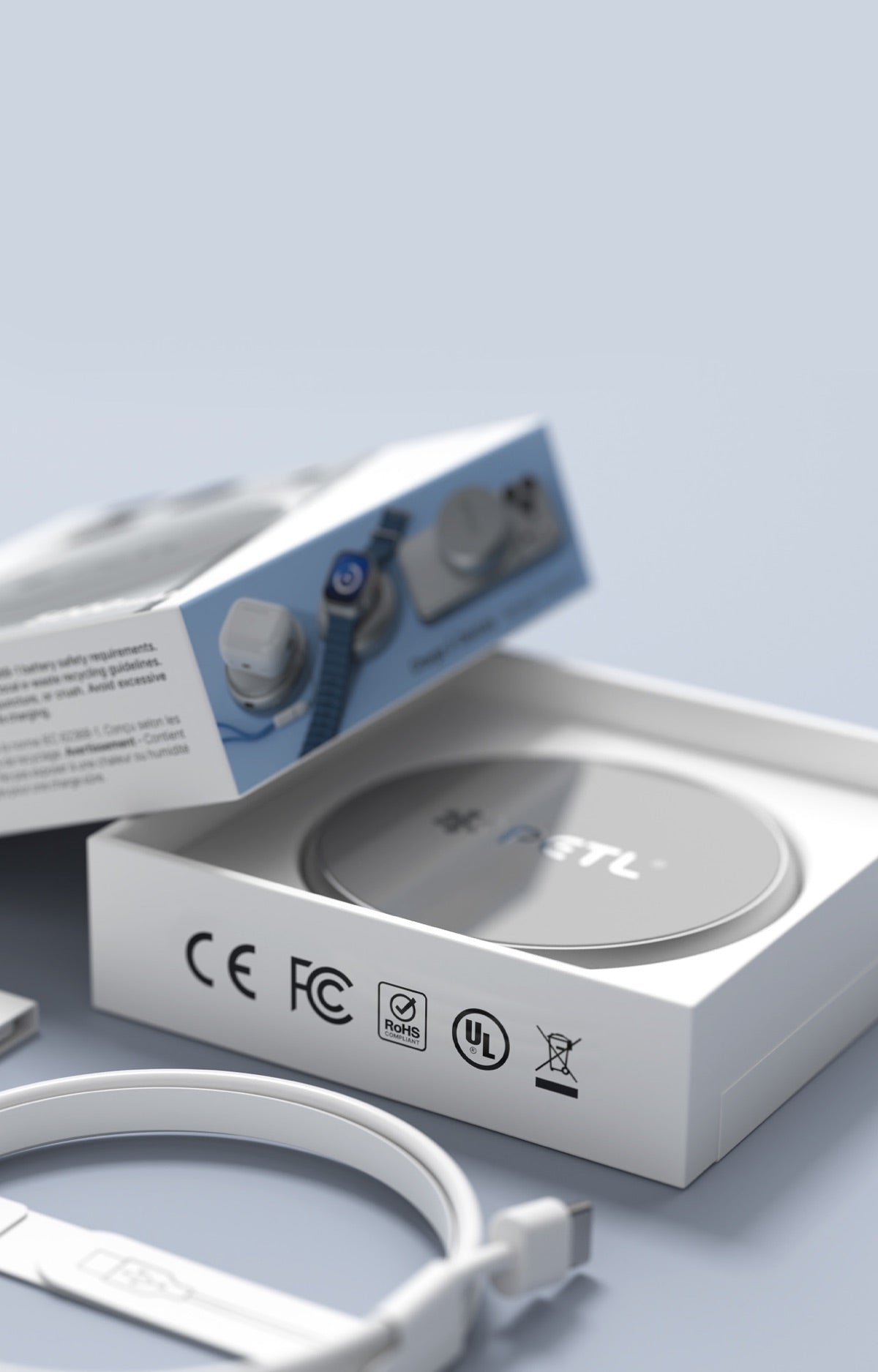
The PETL 2 Plus, PETL's 5,000 mAh MagSafe-compatible battery pack, is built squarely for this person. At just 72.5mm wide and 16.2mm thin — CNC-machined aluminum with a tempered glass face — it snaps magnetically to the back of your iPhone 12 through iPhone 16 via strong N52 neodymium magnets, shows up in your iOS battery widget with no app required, and charges your iPhone, Apple Watch, and AirPods wirelessly. No cables. No setup. No bag of chargers.
In real-world use, the PETL 2 Plus has been verified to take an iPhone 16 Pro to approximately 90% on a single charge. That's not a theoretical ceiling — it's what daily users actually experience. For most people, that's the whole ballgame.
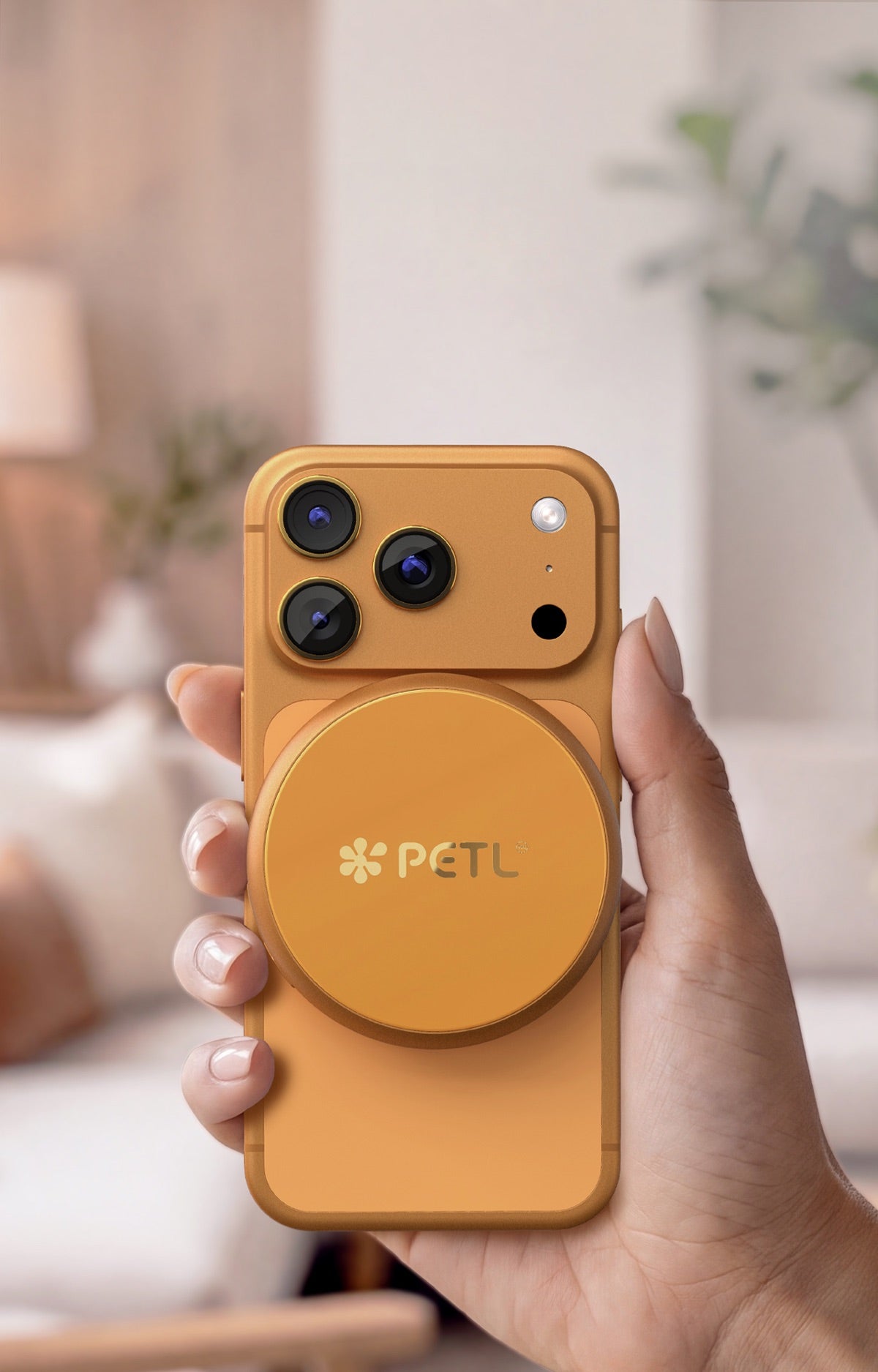
Priced at $89.95, it's available in Space Black, Slate, and Cosmic Orange — finishes that feel like a considered accessory, not a reluctant gadget.

How Much Does 5,000 mAh Charge an iPhone 16?
Given iPhone 16's battery capacity and typical wireless charging efficiency figures, a 5,000 mAh MagSafe-compatible battery pack like the PETL 2 Plus can be expected to deliver a near-full charge to an iPhone 16 in most real-world scenarios. The verified real-world result — approximately 90% on an iPhone 16 Pro — aligns with what the math predicts. You're not leaving significant charge on the table; you're getting essentially a full day's safety net in one snap-on disc.
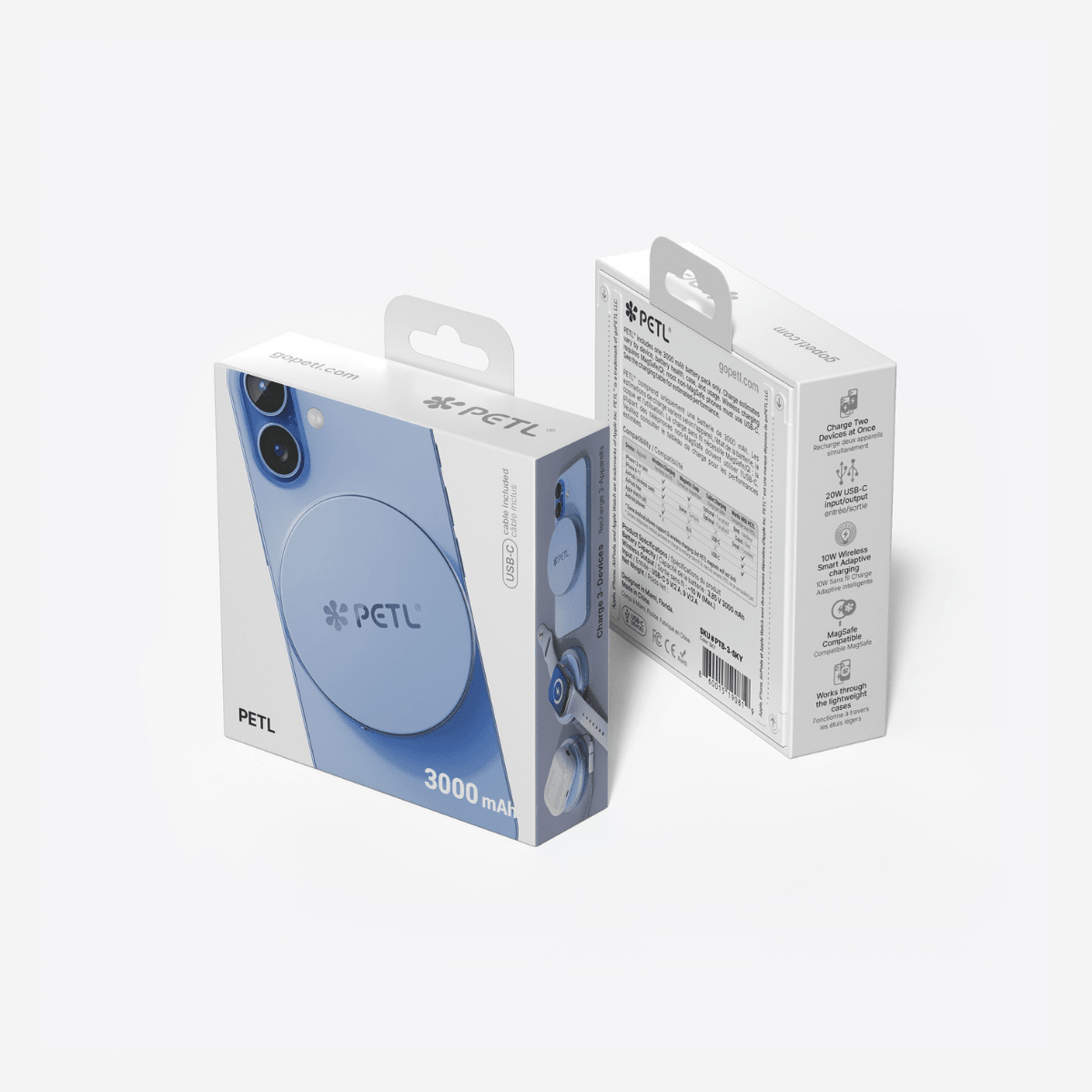
Contrast that with the original PETL (3,000 mAh, priced at $64.95): it's engineered for confident top-ups throughout the day — enough to push you from 20% past 80% and keep you going — in an even slimmer 70mm × 14mm footprint. Two sizes. Two honestly different use cases.
When Is a 10,000 mAh Power Bank Worth It?
Doubling the capacity is the right call for a specific, real set of users. Don't let anyone talk you out of a 10K if you genuinely fit this profile:
- Multi-day travel or backpacking where outlets are scarce or unreliable.
- Ultra-heavy smartphone use — filming long video, running navigation all day, extended gaming sessions that drain a full battery before noon.
- Charging a tablet alongside your phone. iPad-class batteries dwarf iPhone batteries; a 5K pack will barely move the needle on a full-sized iPad.
- Sharing charges with a travel companion who also needs a full top-up.
- Emergency / backup carry where you want maximum reserve and you're already carrying a bag regardless.
For these users, a 10K brick — like the Anker 10K Slim or similar — is the honest recommendation. It's larger and heavier by design, and that's exactly the trade-off worth making when you need the reserves.
PETL 2 Plus vs Bigger Power Bank: An Honest Comparison
We'll be direct about this. If you're comparing the PETL 2 Plus vs a bigger power bank, the trade-off looks like this:
Choose the PETL 2 Plus (5,000 mAh) if:
- You want something pocketable that snaps on and disappears.
- One near-full iPhone recharge per day covers your needs.
- You want wireless charging for iPhone and Apple Watch and AirPods — no cables, no adapter juggling.
- Design matters to you; you want a charger that looks like something you chose, not something you tolerated.
- You value the native iOS battery widget — see your pack's level at a glance, right alongside your iPhone and AirPods.
Choose a 10,000 mAh pack if:
- You need two or more full iPhone recharges before you see an outlet.
- You're charging a tablet or multiple people's devices.
- You're a power user who drains a full iPhone battery well before midday.
- You're planning a multi-day trip and can't guarantee nightly charging.
PETL is not the biggest brick, and that's entirely deliberate. Most people don't need the biggest brick. They need a confident, complete top-up that fits their pocket, their aesthetic, and their Apple ecosystem — and they need it to be there every single day, not just on the days they remember to pack the heavy one.
The "Always Go Bigger" Myth — and Why It Costs You
A common refrain in power bank reviews is to "always go bigger" to account for wireless charging efficiency losses. The logic sounds sensible on paper. In practice, it leads to people buying 10,000 mAh packs that live on their desks because they're too heavy to carry, which means they're useless exactly when they're needed most.
Wireless efficiency losses are real — we've covered that honestly. But a 5,000 mAh pack accounting for those losses still delivers a near-full iPhone recharge. The solution to wireless inefficiency isn't reflexively doubling your capacity; it's choosing a pack that's genuinely engineered for wireless delivery, with strong magnets, quality cells, and a design that maintains proper alignment throughout the charge. That's what determines real-world output far more than raw mAh headroom on a spec sheet.
The best power bank is the one you actually carry. A 10,000 mAh pack left at home charges nothing.
5,000 mAh vs 10,000 mAh: Quick Decision Guide
Use this to cut straight to the answer:
- Back home every night, light-to-moderate use? → 5,000 mAh is your size.
- Back home every night, heavy use or frequent travel days? → 5,000 mAh, possibly the original 3,000 mAh if you're truly just topping up.
- Away overnight, moderate use? → 5,000 mAh can cover two consecutive days with careful use; 10,000 mAh gives you a comfortable buffer.
- Multi-day travel, heavy use, or charging a tablet? → 10,000 mAh or higher. Go get a brick.
- Want to also charge Apple Watch and AirPods wirelessly? → PETL 2 Plus handles all three; verify that any 10K alternative you consider does the same.
The Bottom Line
The 5,000 mAh vs 10,000 mAh power bank debate resolves quickly once you ask the right question: how long are you away from an outlet, and how many devices need charging? For the majority of iPhone users living a normal daily rhythm, 5,000 mAh — delivered wirelessly from something slim, beautiful, and always in your pocket — wins decisively.
The PETL 2 Plus is built for exactly that person. One snap. No cables. iPhone, Apple Watch, and AirPods covered. A design you'll actually want to carry. At $89.95, it's a considered upgrade over a generic brick — and it's honest enough to tell you when you should buy something bigger instead.
If you genuinely need two full recharges a day, or you're charging a tablet, or you're heading off-grid for a week — go get the 10K. We mean that. But if a near-full iPhone recharge, a wireless Apple Watch top-up, and a pocket-friendly disc that earns its place in your daily carry sounds like exactly what you've been looking for, explore the PETL 2 Plus at gopetl.com.
Frequently asked questions
Is 5,000 mAh enough for iPhone daily use?
Yes, for the vast majority of iPhone users. A quality 5,000 mAh MagSafe battery pack — accounting for wireless charging efficiency losses — delivers a near-full recharge to most current iPhone models, including the iPhone 16 lineup. The PETL 2 Plus has been verified to take an iPhone 16 Pro to approximately 90% in real-world use. If you return home each evening and aren't a heavy power user, 5,000 mAh is the right daily-carry size.
What is the real difference between a 5,000 mAh and 10,000 mAh power bank?
On paper, a 10,000 mAh pack stores twice the energy. In practice, the difference shows up in four areas: wireless output (roughly one full iPhone charge vs. roughly two, after inductive efficiency losses), size and weight (10K packs are noticeably larger and heavier), cost (10K packs are almost always more expensive), and self-recharge time (a 10K pack takes significantly longer to top itself back up overnight). The right choice depends on how long you're away from an outlet — not which number is bigger.
How much does a 5,000 mAh battery pack charge an iPhone 16?
A 5,000 mAh MagSafe-compatible battery pack can deliver a near-full wireless recharge to an iPhone 16 in most real-world scenarios. Wireless charging efficiency losses (typically 70–80%) mean real-world output is lower than the stated capacity, but 5,000 mAh provides enough headroom to cover those losses and still substantially recharge a modern iPhone. The PETL 2 Plus has been verified to bring an iPhone 16 Pro to approximately 90% on a single charge.
When should I choose a 10,000 mAh power bank over a 5,000 mAh one?
A 10,000 mAh pack is the honest choice if you need two or more full iPhone recharges before reaching an outlet, if you're charging a tablet (which has a much larger battery than any iPhone), if you're on a multi-day trip without reliable access to power, or if you're sharing charges with another person. For typical single-day use with a nightly recharge, a 10K pack adds bulk and cost without delivering meaningful extra benefit.
Does the PETL 2 Plus charge Apple Watch and AirPods too?
Yes. The PETL 2 Plus charges iPhone wirelessly via its MagSafe-compatible magnetic connection, and also charges Apple Watch and AirPods (Qi-compatible) — all without cables, apps, or any setup. It replaces the bag of individual chargers that most Apple ecosystem users carry, which is one of the practical advantages over both larger power banks and the Apple-branded MagSafe Battery Pack, which does not charge Apple Watch.
What is the PETL 2 Plus and how does it compare to a bigger power bank?
The PETL 2 Plus is a 5,000 mAh MagSafe-compatible battery pack from PETL, featuring a unique circular design in CNC-machined aluminum with a tempered glass top, strong N52 neodymium magnets, 15W Qi wireless charging, USB-C passthrough, and native iOS battery widget support — no app required. At 72.5mm wide and 16.2mm thin, it's built for everyday pocket carry. Compared to a 10,000 mAh brick, it trades raw capacity for size, design, and daily-carry practicality. It's priced at $89.95 and is ideal for users who want a near-full iPhone recharge plus Apple Watch and AirPods coverage in a slim, premium form factor.

Share:
Is PETL Worth It? Honest Answers to 3 Big Complaints