


TL;DR: MagSafe charging does not directly damage your iPhone battery. The real risk from any wireless charging method — MagSafe included — is heat, and that risk is manageable. Lithium-ion batteries degrade faster when regularly exposed to high temperatures, and coil misalignment in poorly designed wireless chargers is a documented source of extra heat. Apple's iPhones already throttle charging speed to protect against this, and the right battery pack design reduces the problem further at its source.

Is MagSafe Charging Bad for Battery Health? The Direct Answer
No — MagSafe charging is not inherently bad for your iPhone battery health. This fear circulates widely online, but it conflates two different things: the method of charging and the conditions under which charging happens.
MagSafe is Apple's magnetic wireless charging standard, introduced with iPhone 12 and supported through the entire iPhone 16 lineup. It uses inductive power transfer — an electromagnetic field passes energy from a transmitter coil (in the charger or battery pack) to a receiver coil (inside your iPhone) without a physical cable connection. The lithium-ion battery inside your iPhone does not know or care whether electrons arrived via Lightning, USB-C, or inductive transfer. What it does care about is temperature.
So the more precise question isn't "does MagSafe harm battery health?" — it's "does MagSafe charging generate enough heat to harm battery health?" That question has a more nuanced answer.
What Actually Damages iPhone Battery Health Over Time?
Lithium-ion and lithium-polymer batteries degrade through a well-understood set of mechanisms. The three that matter most for everyday iPhone users are:
- Heat exposure. High temperatures accelerate the chemical reactions inside a lithium-ion cell that cause permanent capacity loss. This is the most significant factor in premature battery aging under normal use conditions.
- Deep discharge cycles. Repeatedly draining a battery to 0% and charging to 100% causes more wear than keeping it in the 20–80% range. Apple's Optimized Battery Charging feature addresses this automatically.
- Raw charge cycle count. Every full charge cycle contributes some wear — this is inherent to lithium chemistry and unavoidable, though modern cells are rated for hundreds of cycles before meaningful degradation.
Notice what is not on that list: wireless charging as a method. The inductive transfer itself does not introduce a unique degradation mechanism. The concern is always downstream — specifically, the heat that inductive charging produces as a byproduct.
Does MagSafe Charging Generate More Heat Than Wired Charging?
Yes, wireless charging is less thermally efficient than wired charging. This is physics, not a flaw. When energy is transferred inductively, some portion is lost as heat at both the transmitter and receiver coils. Wired charging has its own inefficiencies, but inductive transfer losses are generally higher.
Apple acknowledges this directly. iPhones are designed to slow or pause MagSafe charging when the device temperature rises above a safe threshold. You may have noticed your iPhone displaying a temperature warning and stopping charging on a hot day, or charging more slowly than expected when the phone is running a demanding app. This is iOS's thermal protection working as intended — it prioritizes long-term battery health over short-term charging speed.
The practical implication: Apple has already built a meaningful safety net into the iPhone itself. Under typical real-world conditions — charging on a desk, nightstand, or in a pocket during your commute — the heat generated by MagSafe is modest and well within safe limits. The concern becomes more significant in edge cases: charging in direct sunlight, in a very hot car, or with a case that traps heat against the back of the phone.
The Coil Alignment Problem: Where Real Heat Risk Lives
Here is where the design of a MagSafe battery pack becomes directly relevant to battery health — and where honest buyers should pay close attention.
Wireless charging efficiency is highly sensitive to coil alignment. When the transmitter coil (in the battery pack) sits perfectly centered over the receiver coil (in the iPhone), energy transfer is efficient and heat generation is minimized. When the coils drift out of alignment — even partially — the transfer becomes less efficient, and the energy that doesn't make it to your iPhone has to go somewhere. It becomes heat.
This is not a theoretical concern. Rectangular MagSafe battery packs, by geometry alone, create a mismatch between the form of the pack and the circular charging area on the back of an iPhone. A rectangular pack can drift, rotate, or partially decouple from the magnet ring, especially in a pocket or bag. Apple's own rectangular MagSafe Battery Pack addresses this partly through software — it reportedly reduces charging speed when it senses thermal stress — but the root cause of that thermal stress is often coil misalignment in the first place.
No independent thermal study has yet published a head-to-head comparison of circular versus rectangular MagSafe pack temperatures under controlled conditions. But the design logic is straightforward and grounded in well-understood wireless charging physics: a coil geometry that matches the iPhone's circular charging footprint, held precisely in place by strong magnets, produces more efficient energy transfer and less wasted heat than a mismatched or drifting coil.

How PETL's Circular Design Addresses the Heat Problem at Its Source
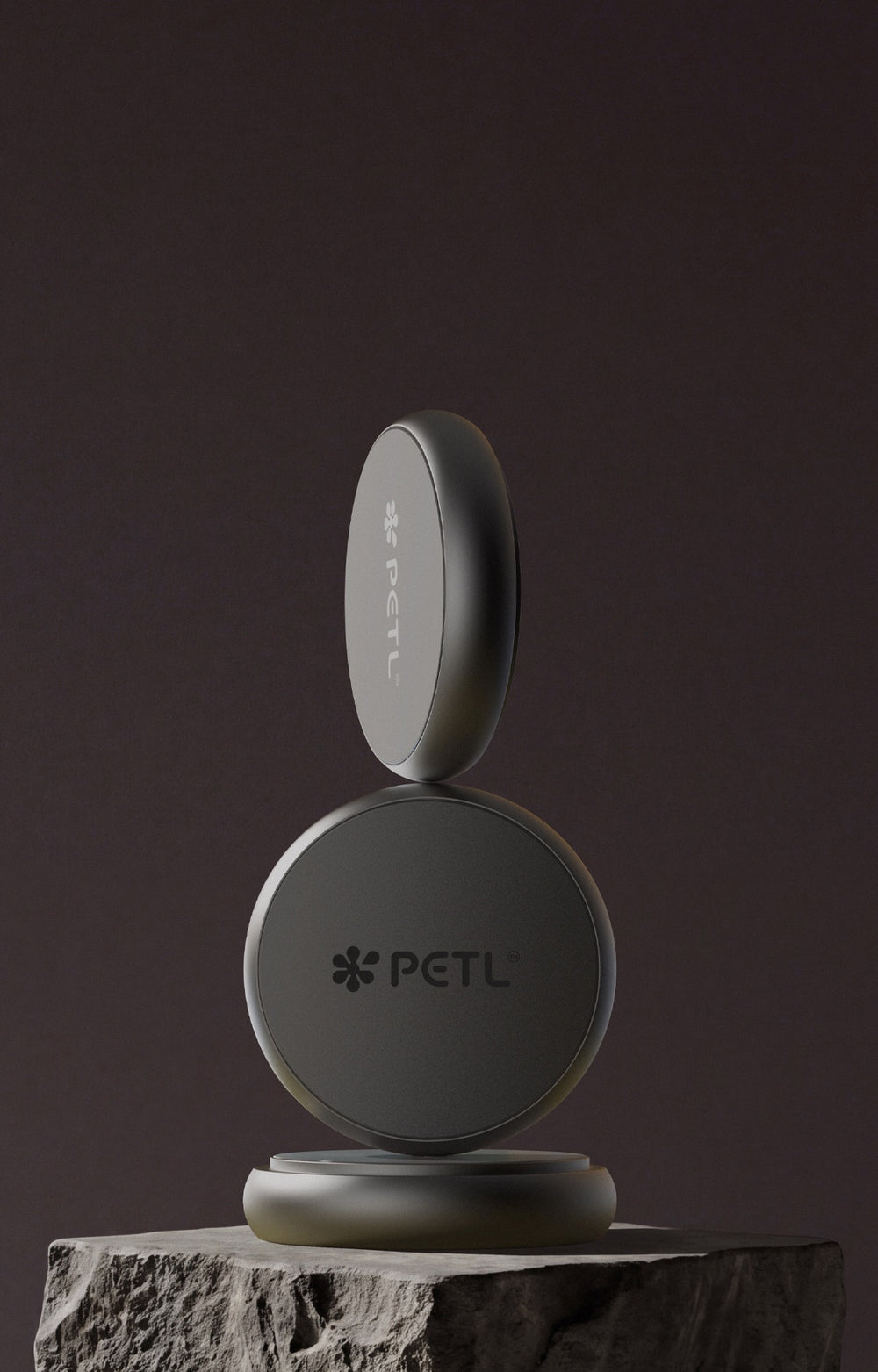
PETL's defining characteristic — the circular disc form factor — is not primarily a style choice. It is a geometry decision with real thermal implications.
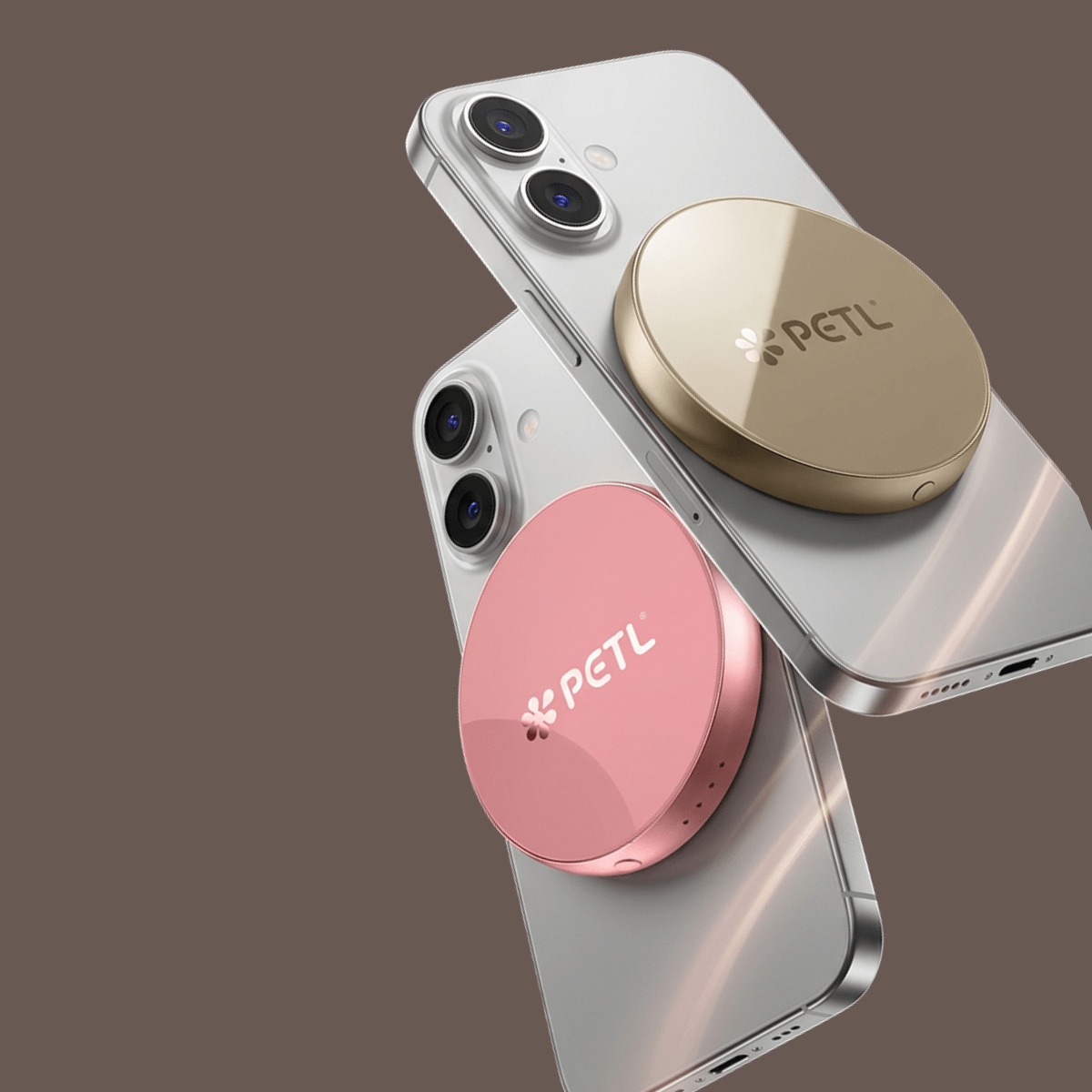
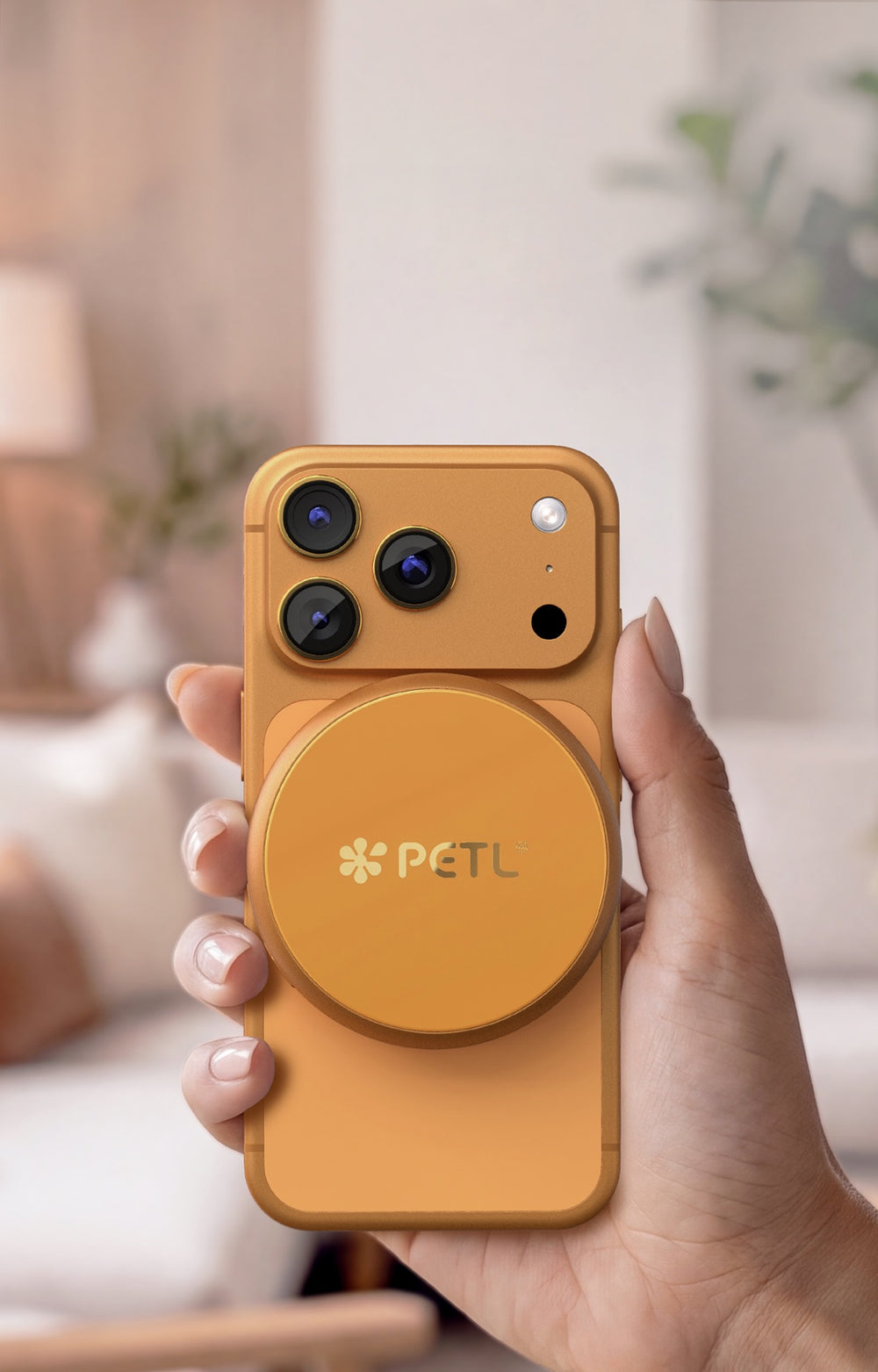
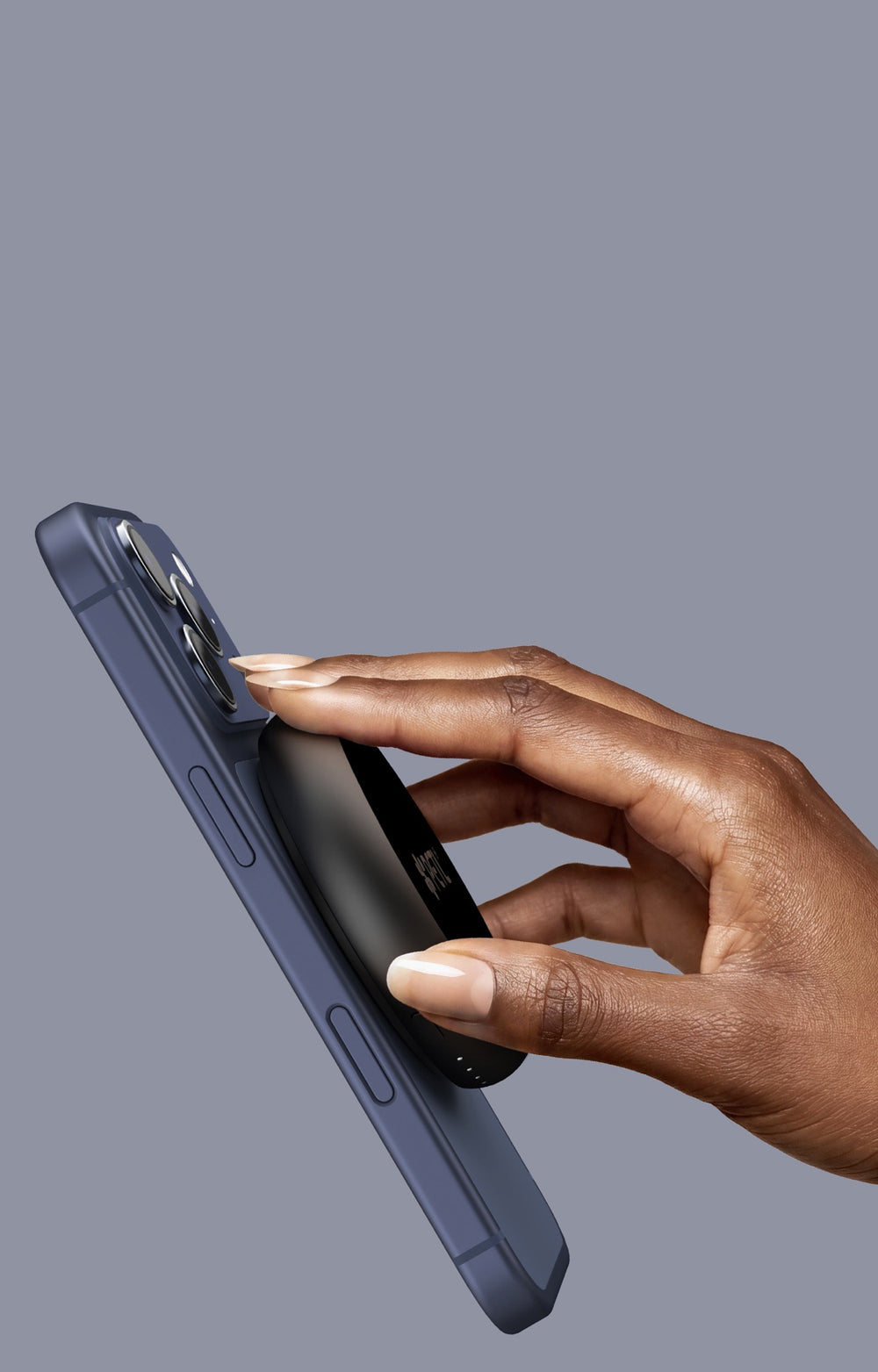
The MagSafe charging area on every iPhone 12 through iPhone 16 is circular. PETL's charging coil is circular. When PETL snaps onto the back of your iPhone via its N52 neodymium magnets, the coils are not just approximately aligned — they are concentrically matched. The round-to-round geometry eliminates the rotational drift that can occur with rectangular packs, and the N52 magnet strength maintains that centered position even when the phone moves.
What this means in practice:
- More efficient energy transfer. Less energy wasted as stray heat when coils are properly centered.
- Reduced coil drift during carry. The circular shape has no corners to lever against the magnet ring, so alignment holds more reliably in a pocket or bag.
- Auto-throttle thermal protection. PETL's power management automatically reduces charge rate when it detects temperature rise — adding a pack-side layer of protection that works alongside iPhone's own thermal controls.
To be transparent: PETL has not published independent third-party thermal test data comparing its packs to competitors. The claim that circular geometry reduces heat is based on established wireless charging physics and coil geometry principles — not a verified published study. We believe the design logic is sound and are committed to honest, evidence-based claims.
Is MagSafe Charging Bad for Battery Health on iPhone 16 Specifically?
iPhone 16 supports MagSafe at up to 25W when used with the official Apple MagSafe Charger and a compatible power adapter. MagSafe-compatible battery packs — which use the magnetic alignment ring but are not licensed MagSafe hardware — typically operate at lower wattages. PETL charges via 15W Qi wireless, which is a more moderate thermal load than peak MagSafe wattage.
At 15W Qi, combined with iPhone 16's onboard thermal management and PETL's auto-throttle, the conditions for meaningful heat-related battery degradation during routine top-ups are genuinely low. You would need to charge frequently at high temperatures, in hot environments, with a poorly aligned charger, to meaningfully accelerate battery degradation beyond normal cycle wear.
For the vast majority of iPhone users — charging at a desk, on a nightstand, or snapping on a pack during a commute — MagSafe-compatible wireless charging poses negligible long-term battery health risk when done with a well-designed, properly aligned charger.
Practical Tips to Protect iPhone Battery Health While Charging Wirelessly
Regardless of which MagSafe battery pack you use, these habits genuinely protect long-term battery health:
- Avoid charging in hot environments. Direct sunlight, a parked car in summer, or any ambient temperature above roughly 35°C (95°F) will cause your iPhone to throttle or pause charging — and repeated exposure accelerates cell degradation.
- Remove thick or insulating cases. Some cases trap heat between the pack and the phone. If your iPhone gets noticeably warm during wireless charging, try removing the case.
- Use Optimized Battery Charging. Apple's built-in feature learns your charging schedule and holds the battery at 80% for most of the night, only topping to 100% just before you typically wake. Find it under Settings → Battery → Battery Health & Charging.
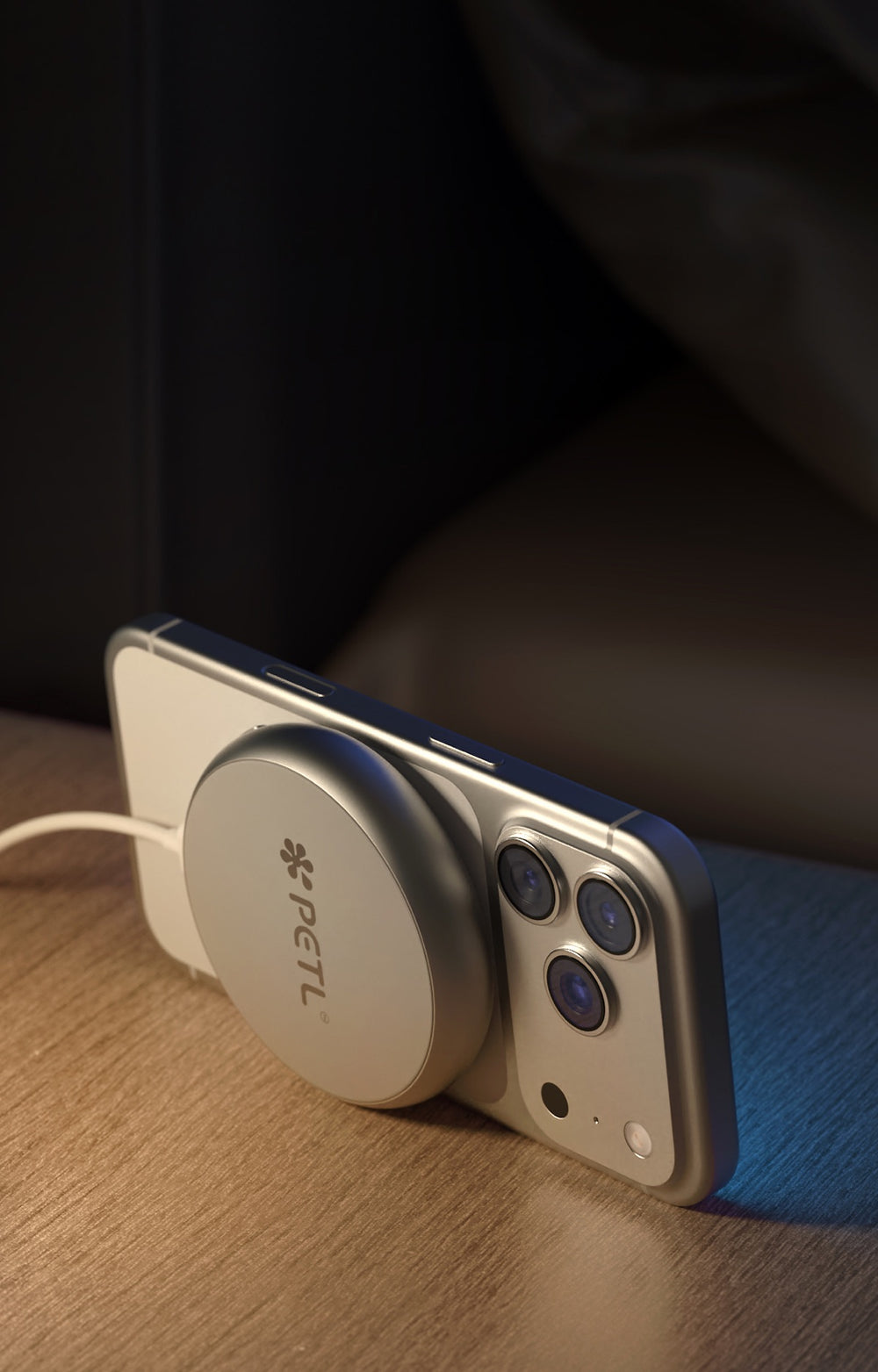
- Don't leave your phone charging on a soft surface. Pillows, blankets, and upholstered furniture block heat dissipation. A hard, flat surface — desk, nightstand, table — allows heat to dissipate naturally.
- Choose a well-aligned charger. Coil alignment is the variable most within your control when selecting a MagSafe battery pack. Prioritize packs whose geometry matches the iPhone's circular charging footprint and whose magnets hold position reliably.
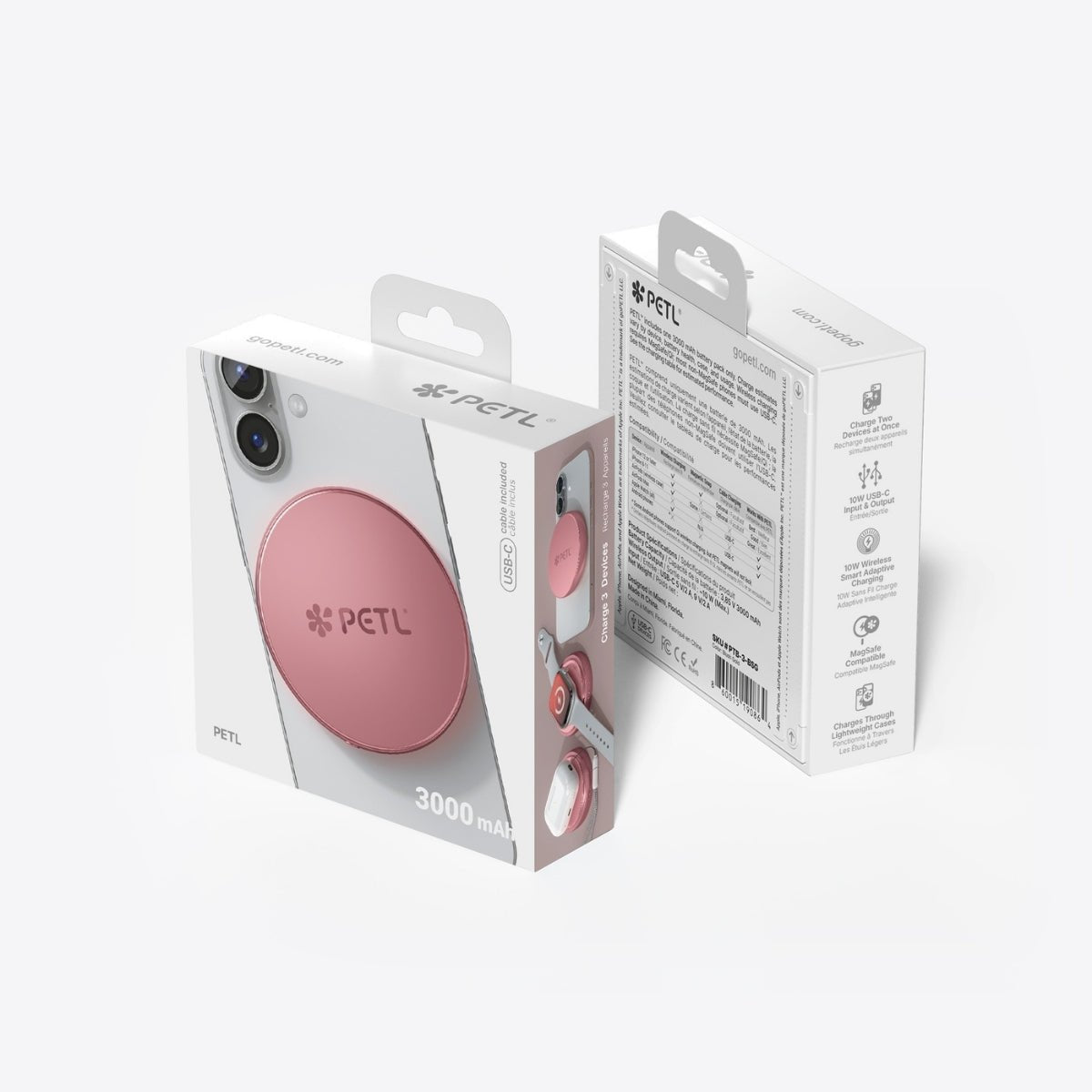
Two PETL Sizes, Honestly Described
PETL makes two circular MagSafe-compatible battery packs, and it's worth being straightforward about what each one is for.
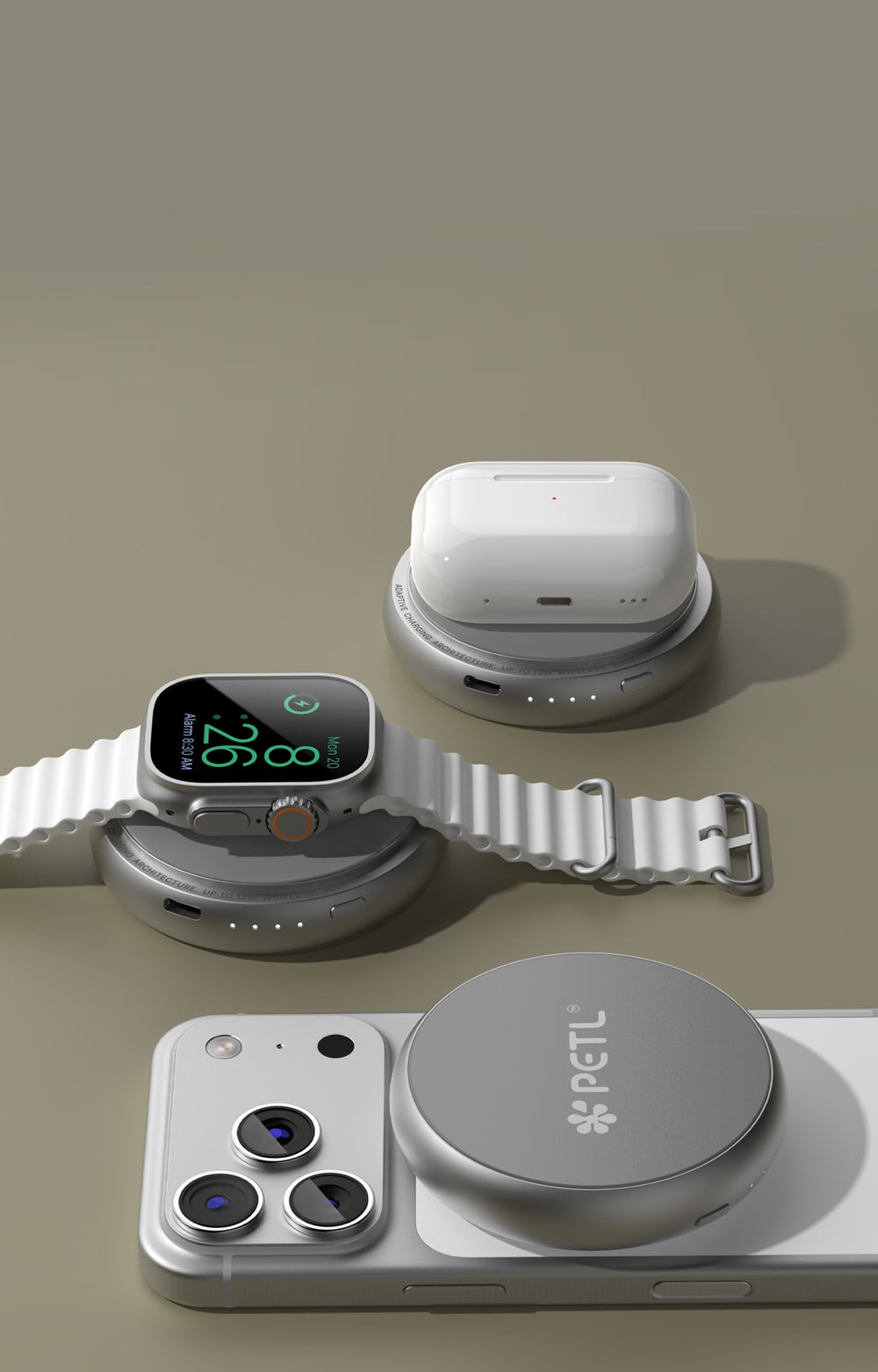
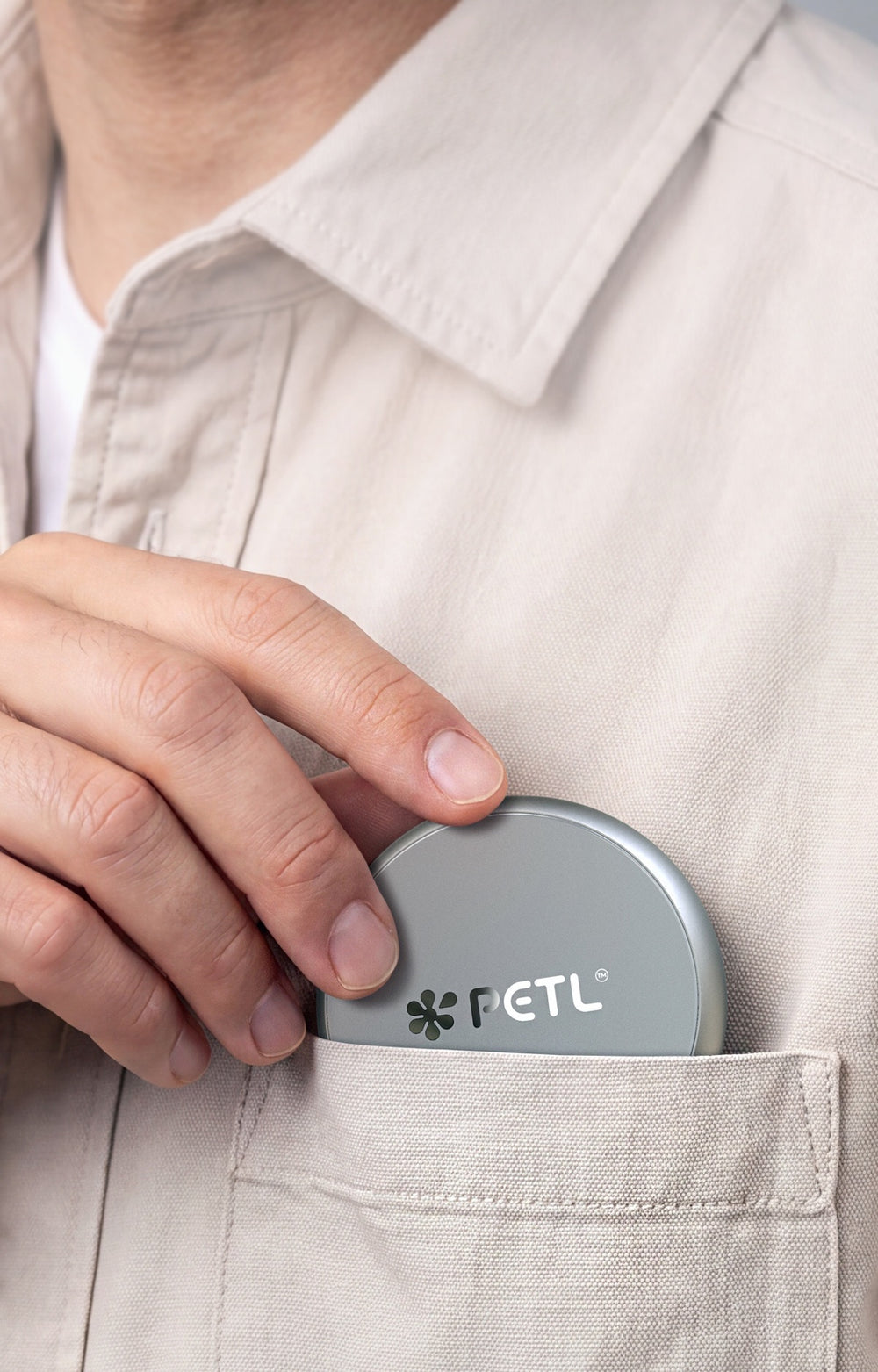
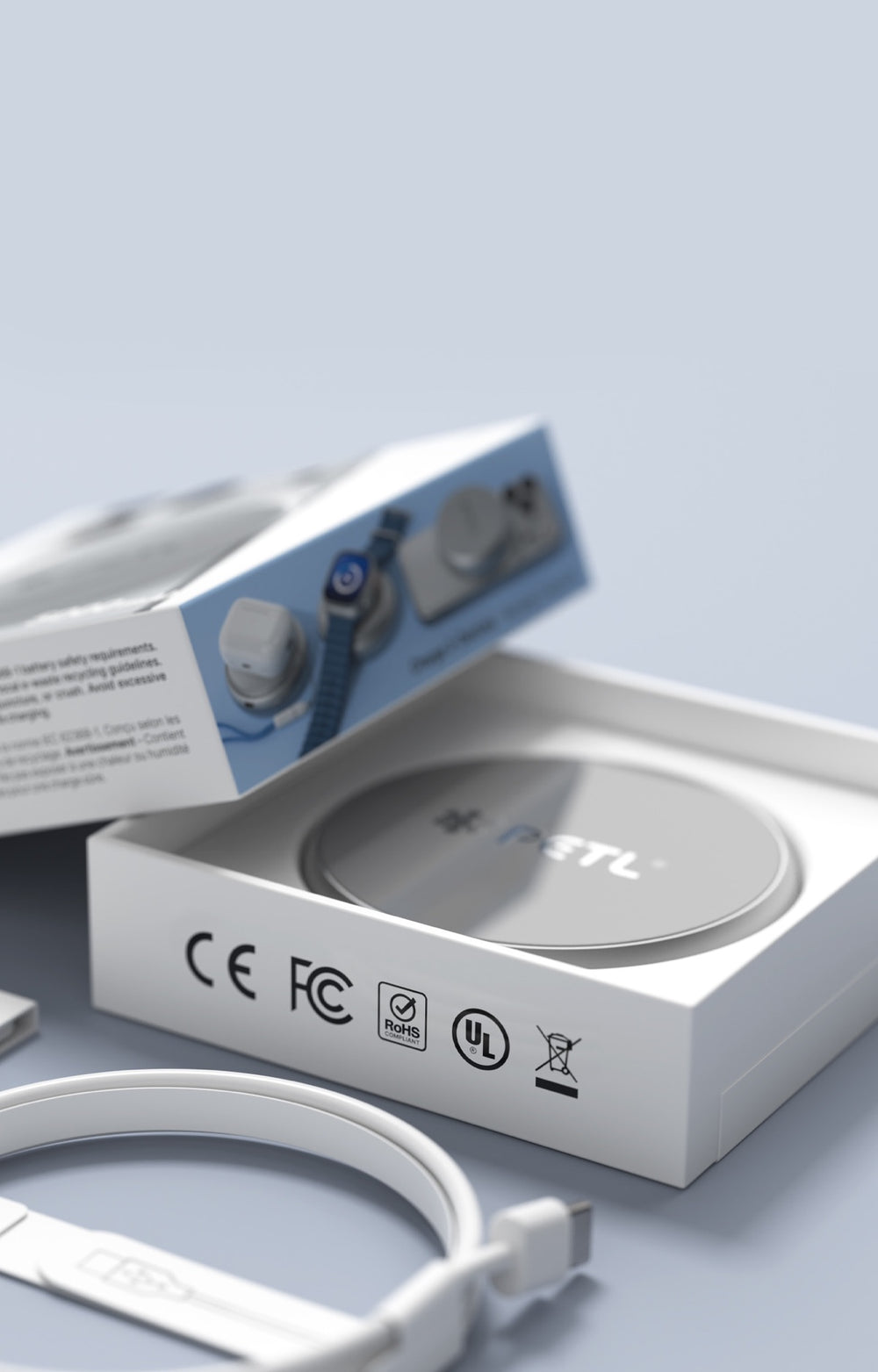
The original PETL (3,000 mAh, 70mm wide, 14mm thin) is priced at $64.95. It is right-sized for confident daily top-ups — the kind of charge that pushes you from 20% to comfortably over 80% and keeps you going through a full day. It also charges AirPods and Apple Watch wirelessly, replacing a bag of separate chargers with a single coin-slim disc. It snaps on, disappears into your pocket, and does its job without you thinking about it.
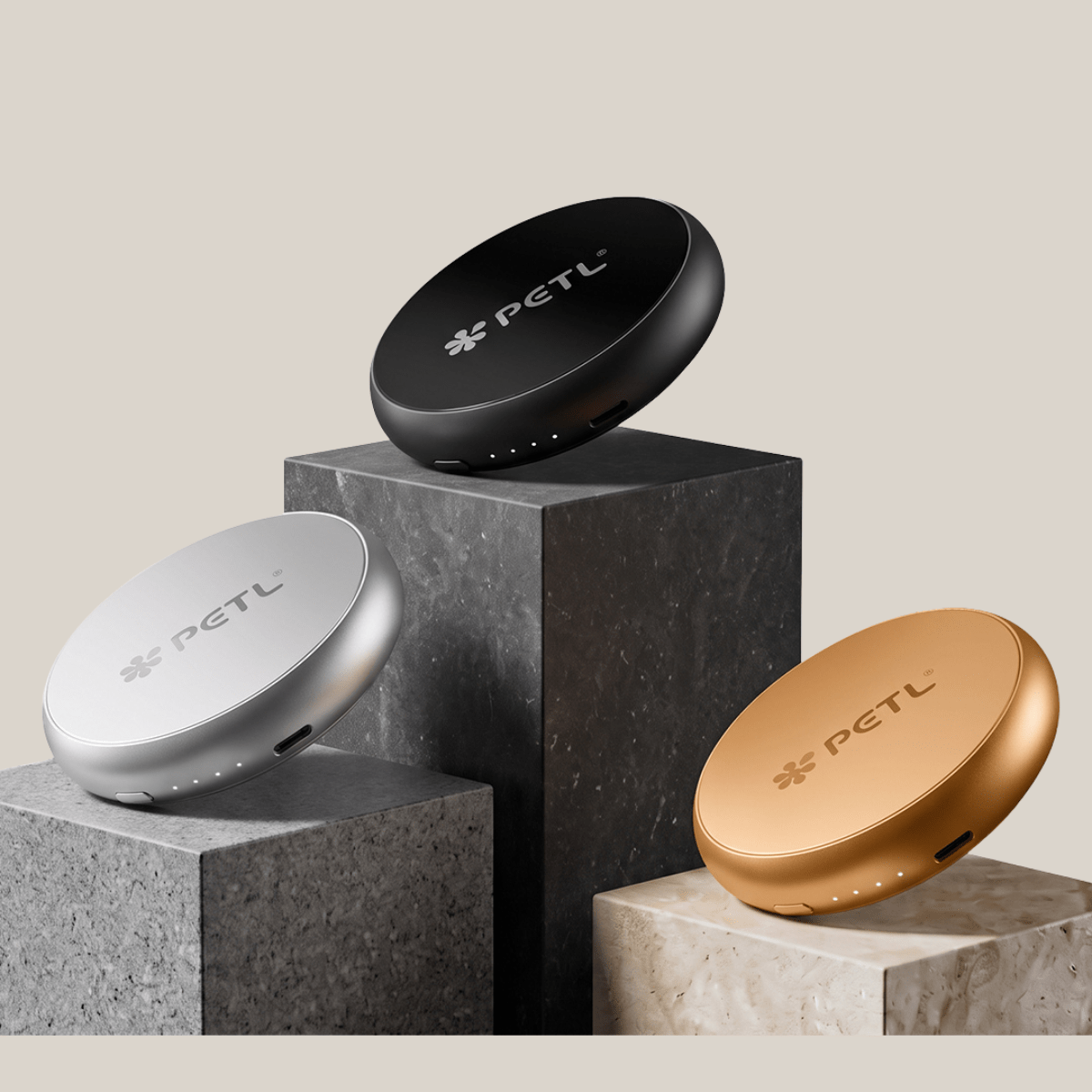
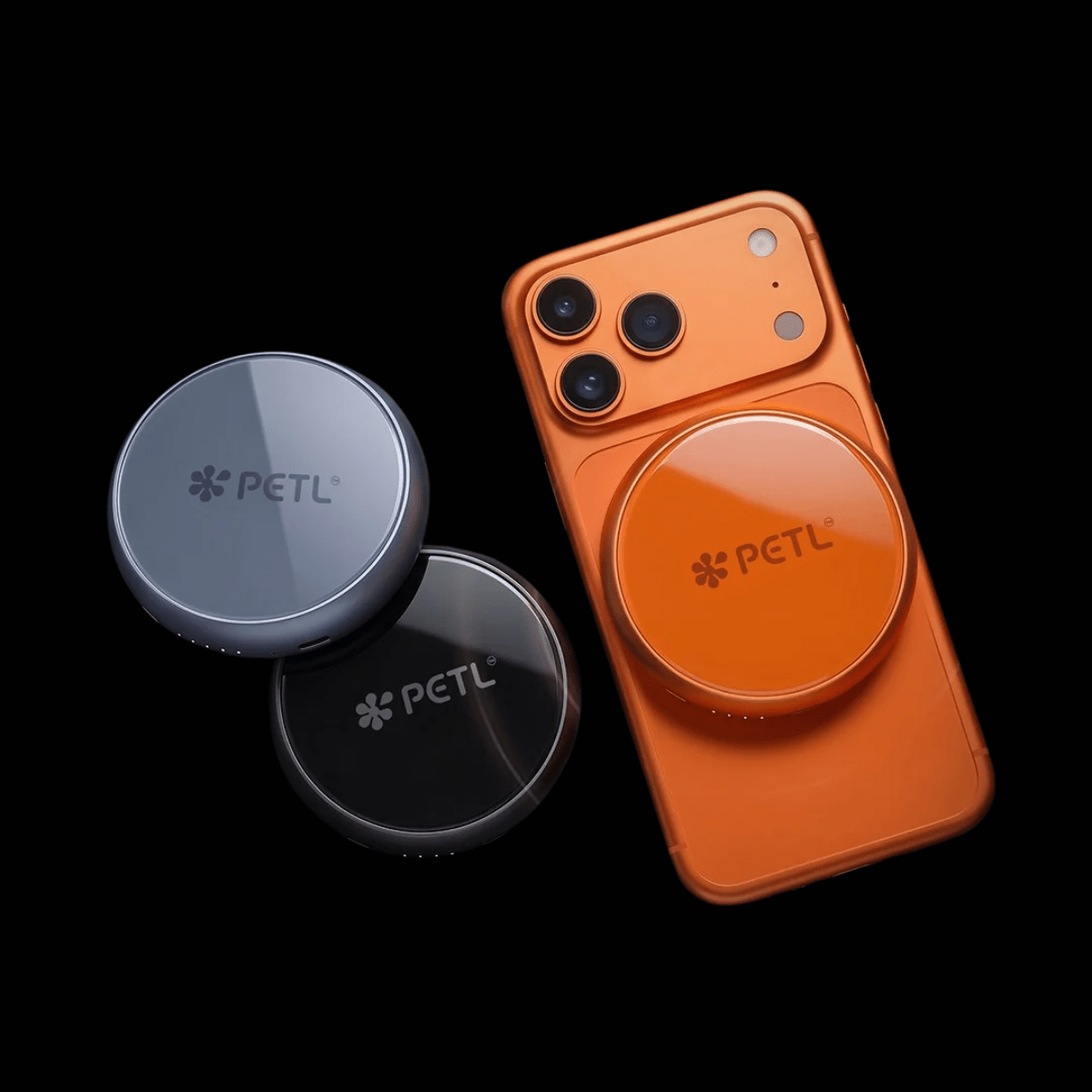
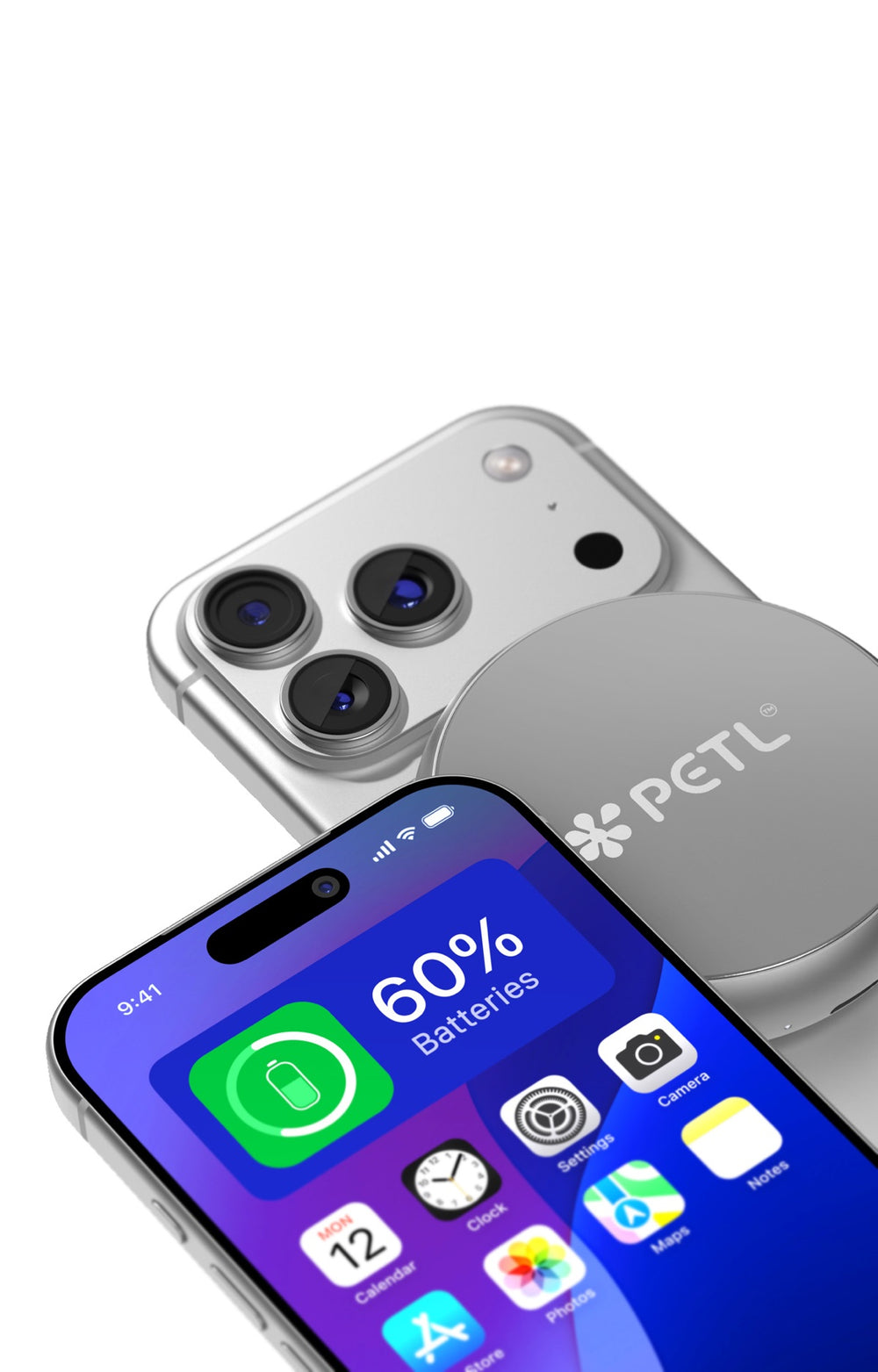
The PETL 2 Plus (5,000 mAh, 72.5mm wide, 16.2mm thin), priced at $89.95, is built for longer days, travel, and users who want a near-full iPhone recharge in reserve. It adds capacity without abandoning the circular philosophy, finished in CNC-machined anodized aluminum with a tempered glass top in colors including Cosmic Orange, Slate, and Space Black. It shows up in your iOS battery widget automatically — no app required.
PETL is not the right choice if your priority is maximum raw capacity above all else. If you want a 10,000 mAh brick for multi-day off-grid trips, a larger rectangular pack may serve you better. PETL is designed for people who want reliable, elegant daily carry — a charger that feels like an accessory you chose, not a gadget you're tolerating.
The Bottom Line: Does MagSafe Charging Damage Your iPhone Battery?
No — not inherently, and not under normal conditions. MagSafe charging is a convenient, well-engineered technology that Apple has built robust thermal safeguards around. The real risk from wireless charging is heat, and that risk is minimized by:
- iPhone's own temperature-based charge throttling
- Choosing a battery pack with proper coil alignment and its own thermal protection
- Sensible charging habits (cool environments, hard surfaces, Optimized Battery Charging enabled)
A circular MagSafe battery pack that stays centered on your iPhone's charging coil, held firm by N52 magnets, with auto-throttle heat protection built in, is designed to give you the most thermally efficient wireless charging experience a magnetic battery pack can deliver. That's the design logic behind PETL — and it's a meaningful answer to a question that deserves a real one.
Frequently asked questions
Does MagSafe charging damage your iPhone battery?
No, MagSafe charging does not inherently damage your iPhone battery. The inductive charging method itself does not introduce a unique degradation mechanism. The genuine concern is heat — wireless charging generates more waste heat than wired charging, and sustained high temperatures accelerate lithium-ion battery degradation. Apple's iPhones are designed to automatically slow or pause MagSafe charging when temperature rises above a safe threshold, providing a meaningful built-in safeguard.
Is MagSafe bad for battery health compared to wired charging?
Wired charging is marginally more thermally efficient than wireless charging because less energy is lost as heat during transfer. However, the difference under normal real-world conditions — charging at room temperature on a desk or nightstand — is small and well within the range that iPhone's thermal management handles automatically. Using MagSafe for daily top-ups will not measurably harm battery health compared to wired charging when done in appropriate conditions.
Why does my iPhone get warm during MagSafe charging?
Warmth during wireless charging is normal and expected. Inductive energy transfer is less efficient than wired transfer, and some energy is lost as heat at both the transmitter coil (in the charger or battery pack) and the receiver coil inside your iPhone. Coil misalignment — when the charger's coil isn't precisely centered over the iPhone's charging area — increases this heat by reducing transfer efficiency. Charging in hot environments, with an insulating case, or on soft surfaces that trap heat can also raise temperatures noticeably.
Does coil alignment affect how much heat a MagSafe battery pack produces?
Yes, significantly. When the transmitter and receiver coils are precisely centered, energy transfer is more efficient and less is wasted as heat. When coils drift out of alignment — due to magnet weakness, geometric mismatch, or movement during carry — efficiency drops and excess heat is generated. This is why coil geometry and magnet strength are meaningful specs when evaluating a MagSafe battery pack, not just cosmetic or marketing considerations.
What is a circular MagSafe battery pack and why does the shape matter?
A circular MagSafe battery pack, like the PETL, matches the round shape of the iPhone's MagSafe charging area rather than using a rectangular form factor. Because both the pack and the iPhone's charging coil are circular, the coils can align concentrically when the pack snaps on, and the geometry resists rotational drift during everyday carry. Strong N52 neodymium magnets maintain that centered position. The result, based on established wireless charging physics, is more efficient energy transfer and less wasted heat compared to a mismatched or drifting coil.
How can I protect my iPhone battery health while using a MagSafe battery pack?
Enable Optimized Battery Charging in Settings → Battery → Battery Health & Charging. Charge in cool environments — avoid direct sunlight, hot cars, or ambient temperatures above about 35°C (95°F). Place your phone on a hard, flat surface rather than a pillow or blanket so heat can dissipate. Consider removing a thick case if your phone gets noticeably warm during wireless charging. And choose a MagSafe battery pack with good coil alignment and built-in thermal auto-throttle to reduce heat at the source.
Share:
Best Power Bank for iPhone Duo: How to Pick a Dual-Device Charger
PETL vs PETL 2 Plus: Which Should You Buy?