


TL;DR: MagSafe does not damage your iPhone battery under normal use. Moderate warmth during wireless charging is a natural byproduct of inductive energy transfer — Apple's own iPhone firmware manages this by throttling charge speed when temperatures rise. The real risk comes not from MagSafe itself, but from poorly designed battery packs whose coils don't align precisely with your iPhone's receiver, generating unnecessary heat. Circular, coil-aligned designs and smart auto-throttle thermal management are the two engineering choices that keep a MagSafe battery pack noticeably cooler in everyday use.

Does MagSafe Damage Your iPhone Battery? The Direct Answer
No — MagSafe does not damage your iPhone battery when used with a well-designed, properly aligned charger. The concern is completely understandable: your phone gets warm, you've heard that heat degrades lithium-ion batteries, and you start to wonder whether snapping on that magnetic pack every day is slowly hurting your phone's long-term health.
The nuance matters here. Brief, moderate warmth is expected and actively managed by iOS. Sustained, excessive heat — the kind generated by a misaligned or poorly engineered charger — is where real long-term degradation risk begins. Understanding the difference is what this article is about.
Why Does Wireless Charging Generate Heat at All?
All wireless charging — MagSafe, Qi, and Qi2 — works through electromagnetic induction. An alternating magnetic field in the charger's transmitter coil induces a current in the receiver coil inside your iPhone. That energy transfer is not perfectly efficient: some energy is lost as heat, both in the charger and in the phone.
This is physics, not a flaw. Even the most premium wireless charger on the market produces some warmth. The variables that determine how much heat are:
- Coil alignment: When transmitter and receiver coils are precisely centered, energy transfer is most efficient and heat is minimized. Misalignment forces the coils to work harder, wasting more energy as heat.
- Charging wattage: Higher wattage means more energy moving faster — and proportionally more heat generated in the process.
- Thermal management in the pack: A well-engineered battery pack monitors its own temperature and throttles output before heat becomes a problem. A cheap one does not.
- Ambient conditions: Charging in a hot car or under a pillow traps heat and compounds the effect.
Is MagSafe Safe for iPhone Battery Health? What Apple's Firmware Actually Does
Apple has built meaningful safeguards directly into iPhone. When the device detects that its internal temperature is rising during charging, the firmware automatically reduces the incoming charge rate — sometimes pausing charging entirely until the phone cools. You may have seen the on-screen warning: "Charging on hold — Waiting for iPhone to cool down." That is the protection system working exactly as intended.
Apple's iOS also includes Optimized Battery Charging, which learns your daily schedule and holds the battery at around 80% for most of the night, only topping up to 100% shortly before you typically wake. This behavior reduces the time your battery spends at high state-of-charge — a well-established way to slow long-term capacity degradation.
The takeaway: is MagSafe safe for iPhone battery health? Yes, when used with a quality charger and with iOS's built-in protections active. The system is designed to protect itself.
Does MagSafe Make Your Phone Hot? When to Worry and When Not To
A gentle warmth on the back of your iPhone during MagSafe charging is completely normal. The temperature that should raise a flag is sustained, uncomfortable heat — the kind that causes your iPhone to display the temperature warning, or that makes the back of the phone genuinely hot to hold.
Normal: Mild warmth you can hold comfortably
This is inductive energy transfer doing its job. Your iPhone's firmware is monitoring it. No action required beyond ensuring there's reasonable airflow around the phone (don't charge it under a blanket).
Worth investigating: Significant heat, every single session
If your phone runs very hot every time you use a particular battery pack — not just warm, but hot — the most likely culprit is coil misalignment in the pack itself. Rectangular battery packs with circular coils inside a non-circular housing frequently sit slightly off-center relative to your iPhone's receiver. That misalignment forces both devices to compensate, generating excess heat as wasted energy.
Genuine concern: Repeated iOS temperature warnings
Occasional temperature warnings during heavy use (navigation in direct sunlight while charging) are not alarming. Repeated warnings during routine desk charging suggest your charger is generating more heat than it should. Time to reassess your accessory choice.
Does MagSafe Ruin Battery Health Over Time? The Long-Term Picture
This is one of the most-searched questions on this topic — and it deserves a direct answer. Routine MagSafe charging with a well-designed charger does not meaningfully accelerate battery capacity loss beyond the normal, gradual degradation all lithium-ion batteries experience with use. There is no credible evidence that MagSafe, as a technology, ruins iPhone battery health faster than wired charging when used correctly.
What does accelerate long-term degradation is cumulative thermal stress — thousands of charging sessions where the phone runs hotter than it needs to because of a poorly aligned or poorly managed charger. That's the variable you can actually control. iOS's Optimized Battery Charging and a high-quality, coil-aligned battery pack are the two most practical tools at your disposal.

The Coil Alignment Problem Most People Don't Know About
Here's the engineering reality that mainstream reviews rarely explain: the shape of a MagSafe battery pack's outer housing directly affects coil alignment — and coil alignment directly affects heat.
The MagSafe charging area on an iPhone is circular. The transmitter coil inside a MagSafe-compatible battery pack is also circular. When a circular coil sits inside a rectangular housing, the pack's center of gravity and visual center don't match the coil's center — meaning casual placement on your phone can leave the coils slightly offset, even with magnets holding it in place.
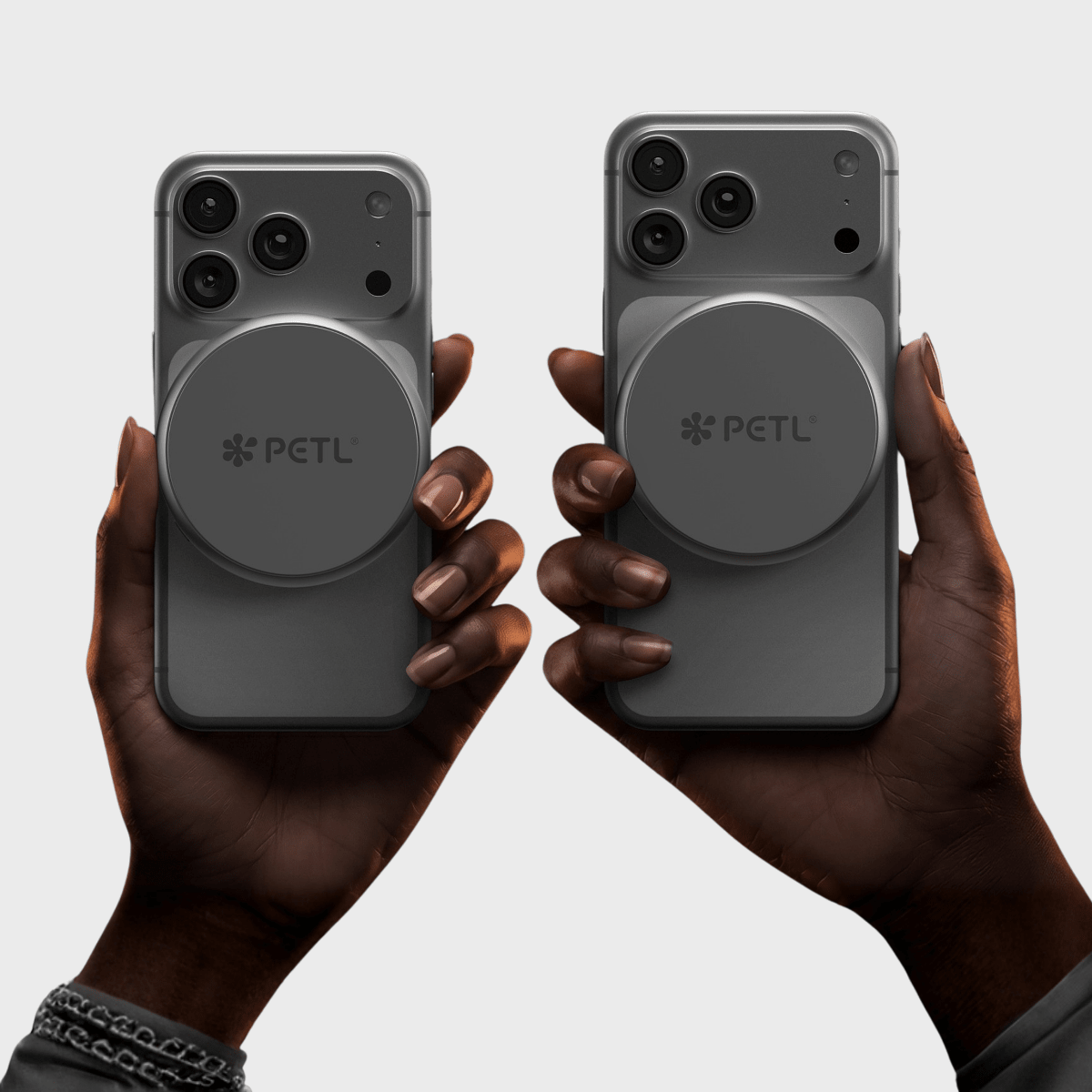
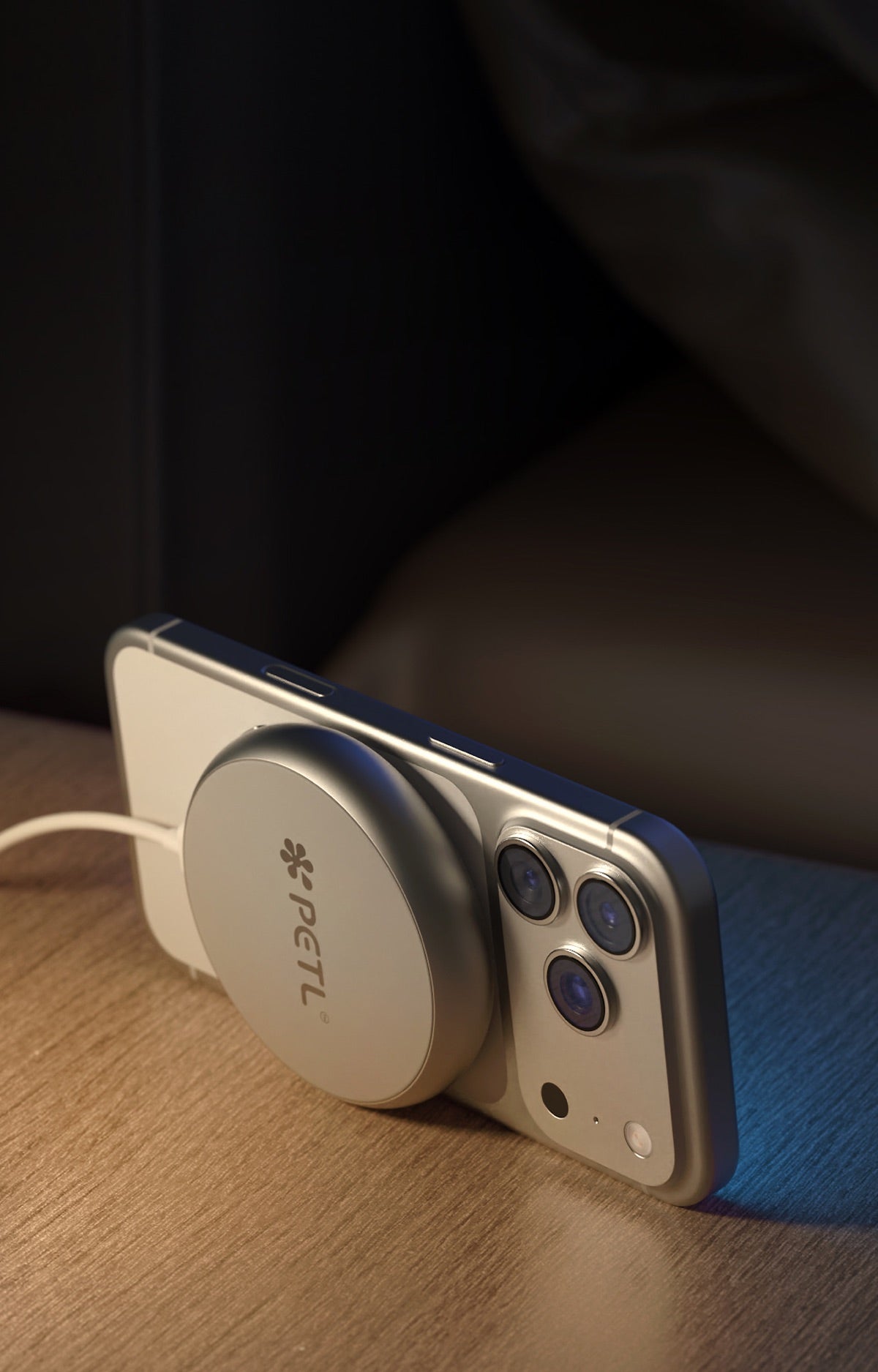
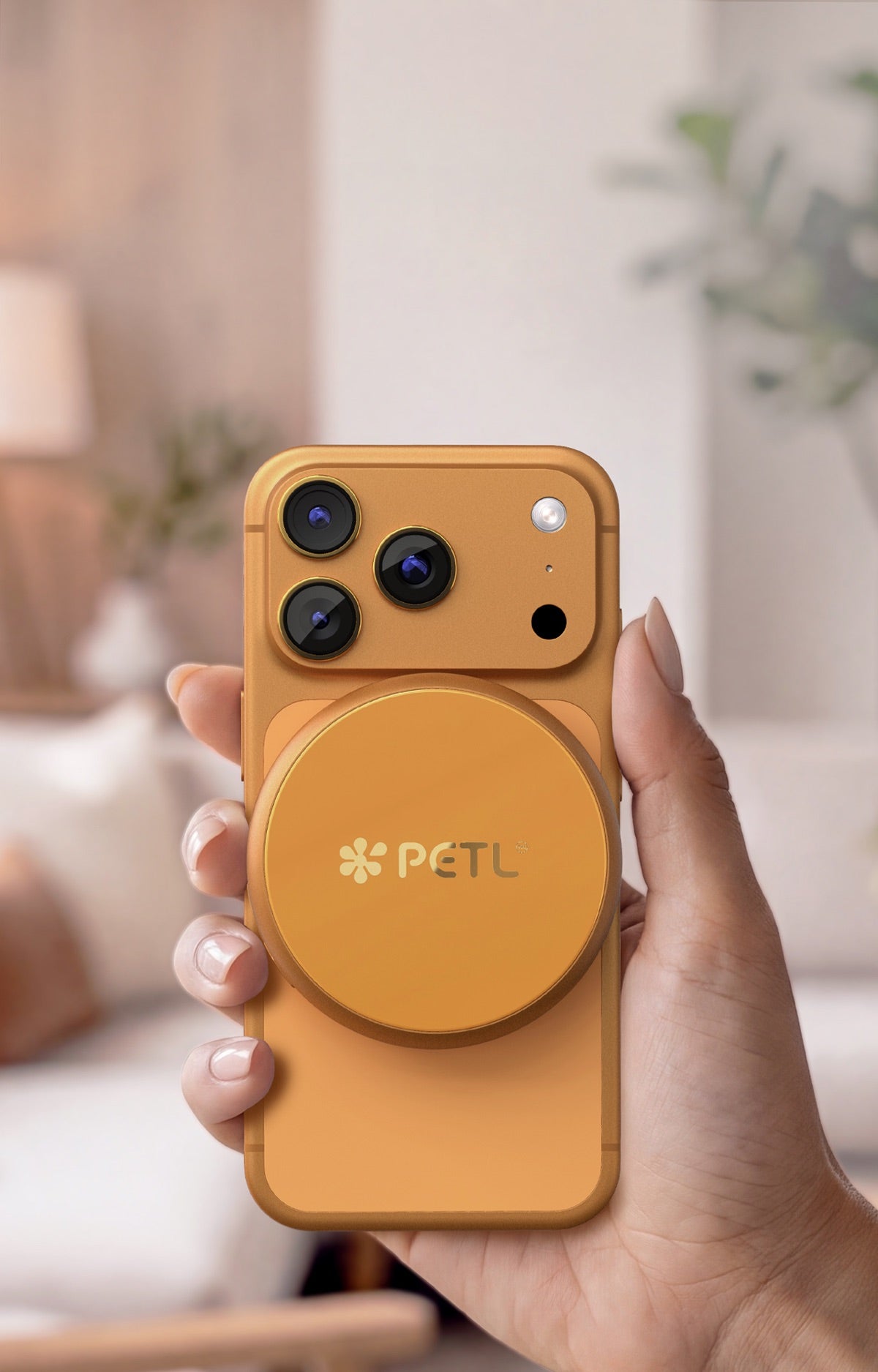
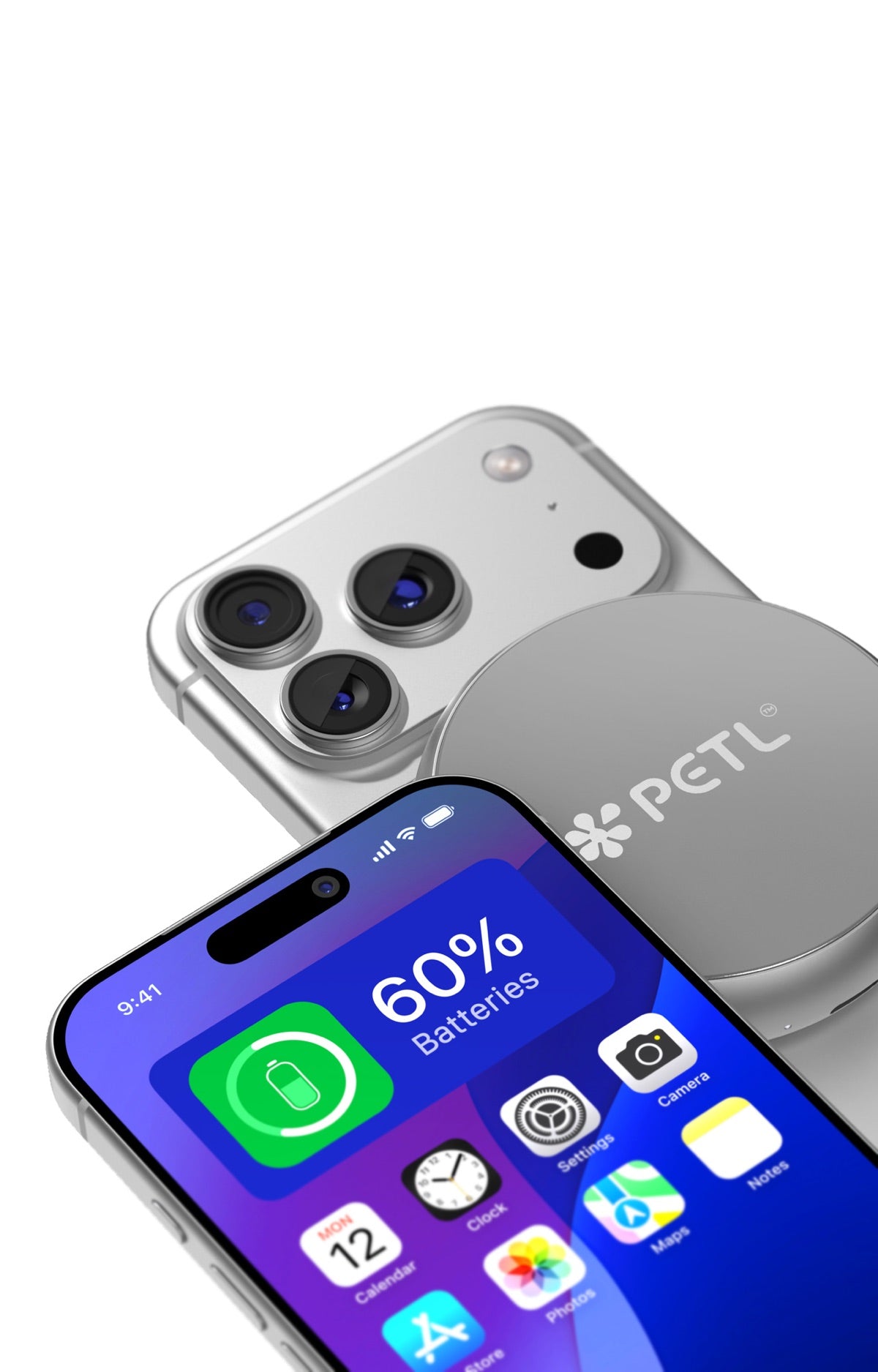
A circular battery pack, by contrast, is naturally centered on the MagSafe footprint. The housing, the magnets, and the coil all share the same axis. There's nowhere for the coil to hide off-center. This is one reason why circular MagSafe battery pack designs tend to run cooler than their rectangular counterparts — better alignment means less wasted energy, and less wasted energy means less heat.
What PETL's Circular Design Actually Does for Heat Management
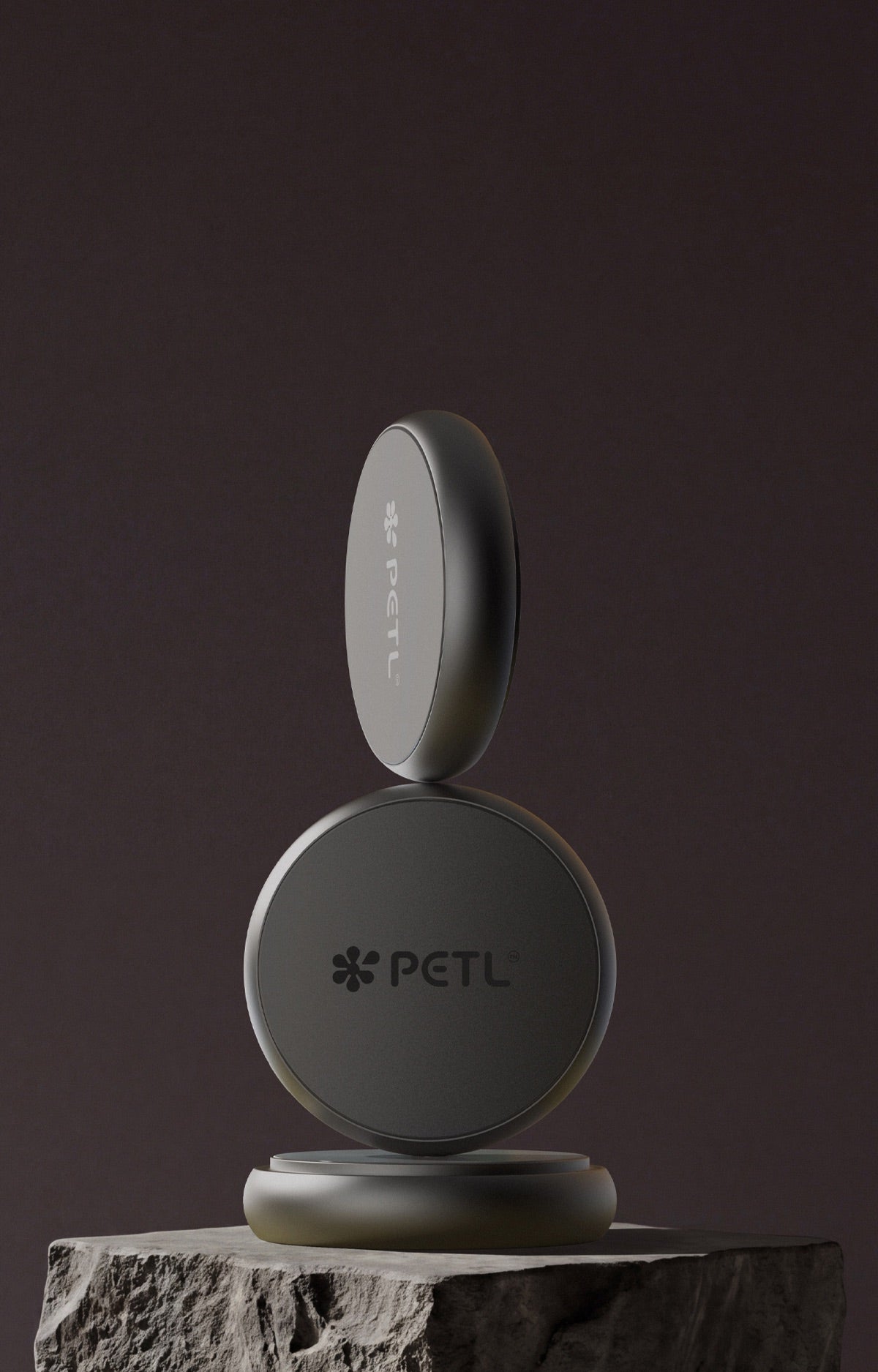
PETL makes the world's first circular MagSafe-compatible battery pack — and the shape is not a style choice made for Instagram. It's a deliberate engineering decision rooted in the physics described above.
Because PETL's disc form factor mirrors the circular MagSafe footprint on your iPhone exactly, the transmitter coil sits centered by default every time the pack snaps on. The N52 neodymium magnets don't just hold the pack securely — they hold it correctly aligned, every time, without you having to think about it.
On top of that, PETL incorporates smart auto-throttle thermal management: the pack monitors its own output and automatically reduces charging wattage when temperatures trend upward, keeping the charging session cooler without any input from the user. The result is a pack that runs noticeably cooler than generic wireless chargers — a real-world benefit that matters across thousands of daily charging sessions over the life of your iPhone.
We'll be direct: warmth during charging is one of the most commonly cited feedback points across MagSafe battery pack reviews — including early PETL reviews. No wireless charger runs cold. But the combination of coil-aligned circular geometry and active thermal throttling gives PETL a meaningful structural advantage over rectangular packs that rely on neither.
Does the Shape of a Battery Pack Change How Hot It Gets? Yes — Here's Why
To make this concrete, consider what happens during an inefficient wireless charging session:
- Coils are misaligned by even a few millimetres.
- Electromagnetic coupling weakens; more energy is lost as heat rather than transferred to the battery.
- Both the pack and the phone run warmer than they need to.
- iPhone's firmware throttles charge speed to compensate — so you charge slower and hotter simultaneously.
- Over thousands of sessions, cumulative heat exposure contributes to gradual battery capacity loss.
A coil-aligned circular pack short-circuits this chain at step one. Better alignment from the start means cooler charging, maintained charge speed, and less cumulative thermal stress on your iPhone's battery over time.

Practical Tips to Keep MagSafe Charging Cool
Regardless of which MagSafe battery pack you use, these habits help keep charging temperatures down:
- Remove thick cases: Heavy cases — especially those with metal plates or card pockets between the phone and charger — increase the air gap between coils and force both devices to work harder.
- Don't charge face-down on fabric: Fabric traps heat against your phone's display. Charge face-up on a hard surface, or snap the pack on while the phone is in the open air.
- Avoid charging in direct sunlight or a hot car: Ambient heat compounds charging heat. Your iPhone's temperature protection will throttle the charge, slowing the session.
- Enable Optimized Battery Charging: Found in Settings → Battery → Battery Health & Charging. This reduces time spent at 100% charge — the state most associated with long-term lithium-ion degradation.
- Choose a well-aligned pack: The single highest-impact choice. A circular, coil-aligned design eliminates the most common source of unnecessary charging heat before it starts.
Two PETL Sizes — Honest About Who Each One Is For
PETL offers two sizes, and it's worth being direct about what each one is and isn't designed for.
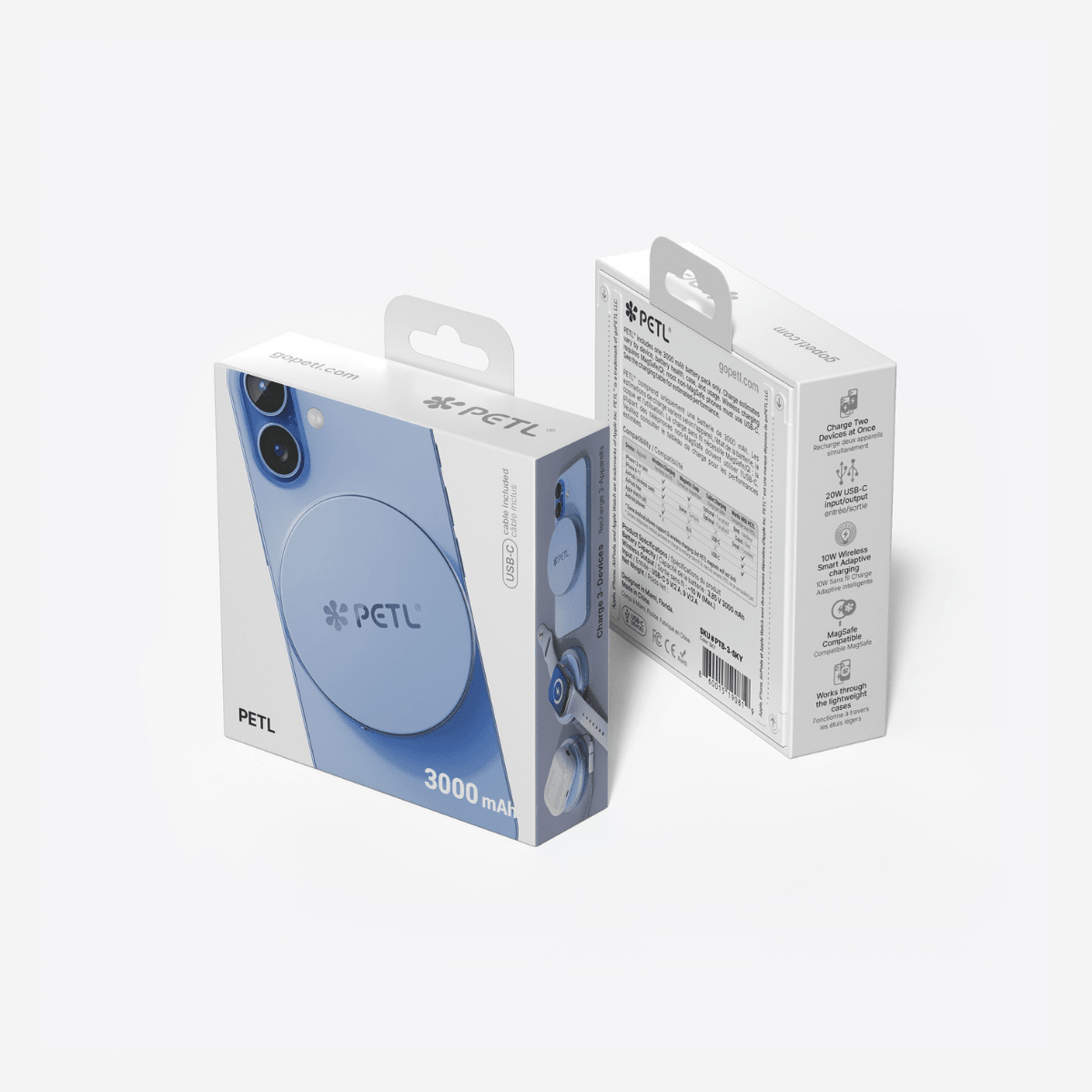
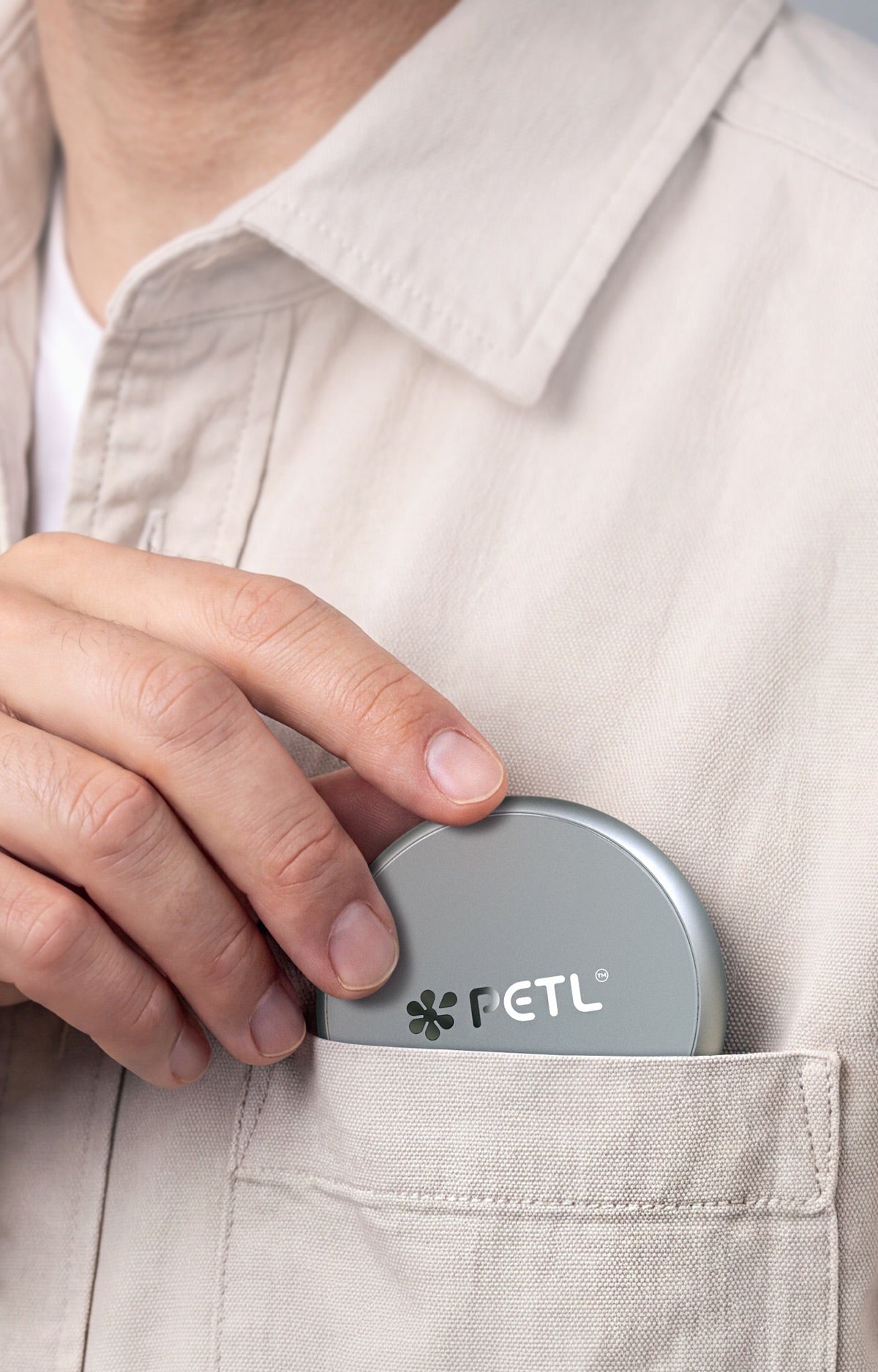
The original PETL (3,000 mAh, 70mm wide, 14mm thin) is priced at $64.95. It's right-sized for confident top-ups throughout the day — the pack for people who leave home in the morning and want insurance against the 3 PM battery dip, not a reservoir for a wilderness expedition. It charges iPhone, AirPods, and Apple Watch. It snaps on, fits in a jeans pocket alongside your phone, and disappears into your day.
The PETL 2 Plus (5,000 mAh, 72.5mm wide, 16.2mm thin) is priced at $89.95. It's engineered for near-full iPhone recharges — the right choice for travel days, long flights, or anyone who needs to push through without finding an outlet. It keeps the same circular coil-aligned geometry and thermal management, just with more capacity behind it.
PETL is not the biggest battery pack you can buy, and that's the point. If you need maximum raw capacity above everything else and don't mind carrying a sizable rectangular brick in a backpack, there are packs built for that. PETL is built for the person who wants the most capable, best-designed pocketable charger — one that treats your iPhone's battery with the same care you do.
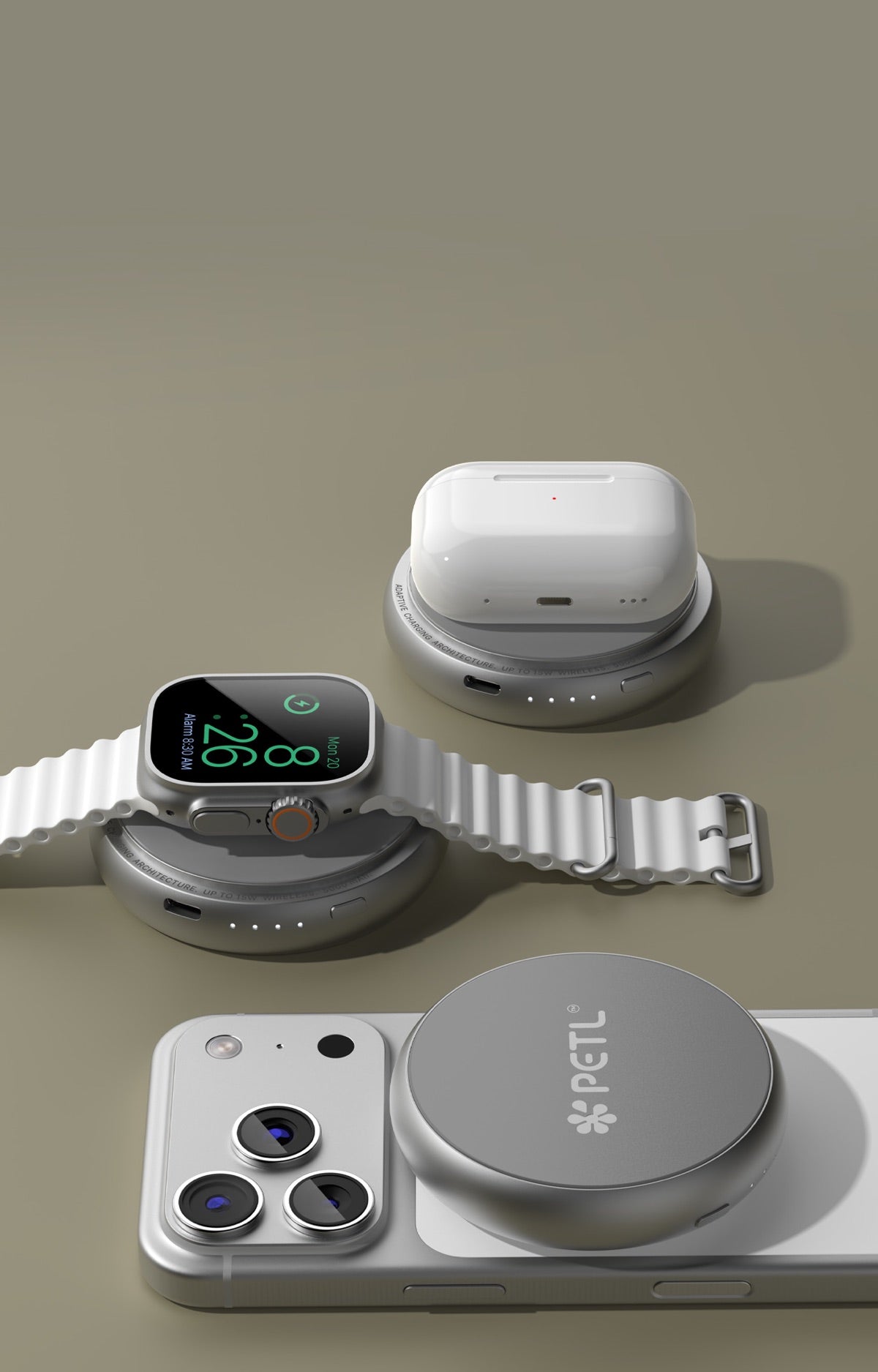
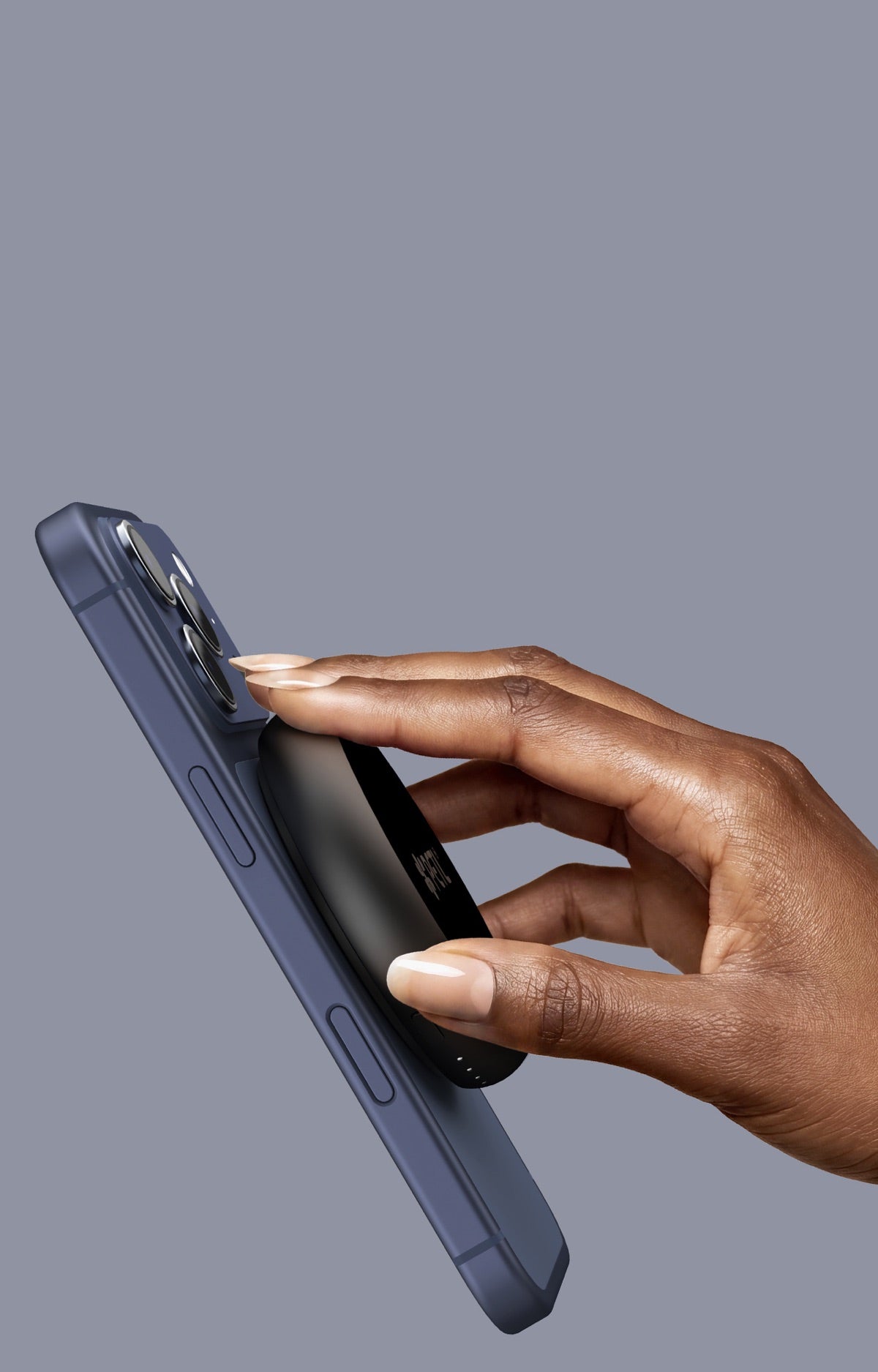
Both sizes charge all three devices Apple users carry: iPhone via MagSafe-compatible magnetic wireless charging, plus AirPods and Apple Watch via Qi wireless output. No cables, no apps, no setup. The battery status appears natively in iOS's battery widget the moment the pack snaps on.
The Bottom Line: Does MagSafe Damage Your Battery?
No — not with the right charger and sensible habits. MagSafe warmth is normal. Sustained, excessive heat from a misaligned or poorly engineered pack is the real risk, and it's an avoidable one.
The most important decision you make isn't whether to use wireless charging — it's which wireless charger to use. A circular, coil-aligned design that throttles its own output when temperatures rise isn't a premium nice-to-have. It's the engineering difference between a charger that quietly protects your iPhone's battery over thousands of sessions and one that quietly stresses it.
Explore the PETL and PETL 2 Plus at gopetl.com — and if you have questions about which size fits your day, the team is reachable at hello@gopetl.com.
Frequently asked questions
Does MagSafe damage your iPhone battery?
No. MagSafe does not damage your iPhone battery under normal use. Mild warmth during charging is a natural byproduct of inductive energy transfer and is actively managed by Apple's iPhone firmware, which throttles charging speed if internal temperatures rise. Long-term battery degradation risk comes from sustained, excessive heat — typically caused by misaligned or poorly engineered chargers, not from MagSafe technology itself.
Does MagSafe ruin battery health over time?
No — routine MagSafe charging with a well-designed charger does not ruin iPhone battery health or accelerate capacity loss beyond the normal, gradual degradation all lithium-ion batteries experience with use. What does accelerate degradation is cumulative thermal stress from thousands of charging sessions where the phone runs hotter than necessary due to a poorly aligned or poorly managed charger. iOS's Optimized Battery Charging feature and a high-quality, coil-aligned battery pack are the most effective ways to protect long-term battery health.
Does MagSafe make your phone hot?
A gentle warmth on the back of your iPhone during MagSafe charging is completely normal and expected. Significant or uncomfortable heat — particularly if it triggers an iOS temperature warning — usually points to coil misalignment between the charger and your phone, or poor thermal management in the battery pack. A circular, coil-aligned MagSafe battery pack reduces this risk by keeping transmitter and receiver coils precisely centered by default.
Why does a circular MagSafe battery pack run cooler than a rectangular one?
The MagSafe charging area on an iPhone is circular, and so is the transmitter coil inside any MagSafe-compatible battery pack. When that circular coil is housed in a rectangular pack, the visual and physical center of the housing can differ from the coil's actual center — leading to subtle misalignment even when the magnets snap together. A circular housing naturally centers the coil on the iPhone's receiver every time, reducing energy lost as heat and resulting in a cooler, more efficient charging session.
What is smart auto-throttle thermal management in a MagSafe battery pack?
Smart auto-throttle thermal management is a feature where the battery pack actively monitors its own output temperature during charging. When temperatures begin to trend upward, the pack automatically reduces its charging wattage before heat becomes excessive — without any user input required. This keeps the charging session cooler, protects both the pack and the iPhone's battery, and reduces the chance of triggering the iPhone's own temperature-protection shutoff.
What can I do to keep my iPhone cooler while using a MagSafe battery pack?
Several habits help: remove thick or metal-plate cases that increase the gap between charger and phone; don't charge face-down on fabric, which traps heat; avoid charging in direct sunlight or hot environments; enable Optimized Battery Charging in iOS Settings → Battery → Battery Health & Charging; and most importantly, choose a well-aligned charger. A circular, coil-aligned MagSafe battery pack with active thermal throttling is the single highest-impact way to reduce charging heat across thousands of daily sessions.

Share:
Battery Pack for iPhone Duo: Why Only a Circular MagSafe Pack Fits
Best MagSafe Power Bank in 2025: Expert Buyer's Guide