


TL;DR: Wondering what's the real difference between 5,000mAh and 10,000mAh? For most iPhone users, a 5,000mAh MagSafe battery pack delivers roughly one full wireless recharge in a form factor slim enough to pocket — making it the sweet spot for daily carry. A 10,000mAh pack makes sense if you travel, use your phone heavily, or want to top up multiple devices — but you'll carry noticeably more bulk. This guide covers every real-world angle of the 5,000mAh vs 10,000mAh debate so you can stop guessing and start choosing.

5,000 vs 10,000 mAh Power Bank — Why This Decision Actually Matters
Shopping for a MagSafe battery pack means making a real trade-off: every extra milliampere-hour (mAh) of capacity adds weight, thickness, and cost. A 10,000mAh pack isn't simply "better" than a 5,000mAh pack — it's better for certain people. Getting this choice wrong means either carrying dead weight you don't need or running out of juice right when it counts.
This guide cuts through the marketing noise and helps you match pack size to your actual iPhone usage patterns, whether you have an iPhone 16, iPhone 17, an older iPhone 12, or anything in between.
What Does mAh Mean, and Why Doesn't It Tell the Whole Story?
Milliampere-hours (mAh) measure the raw energy a battery stores. The higher the number, the more charge a pack can theoretically deliver. But "theoretically" is doing a lot of work in that sentence.
Wireless charging — including MagSafe — is inherently less efficient than wired charging. Energy is lost as heat during the inductive transfer, so a 5,000mAh battery pack will not deliver a full 5,000mAh to your iPhone. Real-world wireless charging efficiency typically falls in the 70–80% range, though the exact figure varies by pack, case, alignment, and ambient temperature.
This means a 5,000mAh MagSafe pack is realistically delivering somewhere in the range of 3,500–4,000mAh to your phone — which is still comfortably enough for a full charge on most current iPhone models. Keep that conversion in mind throughout this guide.
What Is the Difference Between 5,000mAh and 10,000mAh Power Banks?
This is the core question — and the answer goes beyond simple math. Yes, a 10,000mAh power bank stores twice the raw energy of a 5,000mAh pack on paper. But the real difference between 5,000mAh and 10,000mAh shows up in four practical areas:
- Wireless output: After inductive efficiency losses, a 5,000mAh pack delivers roughly one full iPhone charge wirelessly; a 10,000mAh pack delivers roughly two.
- Size and weight: Doubling capacity means a noticeably larger, heavier form factor — fine in a bag, uncomfortable in a pocket.
- Cost: 10,000mAh packs are almost always more expensive to buy.
- Recharge time: A 10,000mAh pack takes significantly longer to recharge itself overnight.
So when people ask "what is the difference between 5,000mAh and 10,000mAh?" the honest answer is: it's not just about how many charges you get — it's about what that extra capacity costs you in size, weight, and money.
How Much Battery Does a Modern iPhone Actually Have?
Apple doesn't publish official battery capacities in mAh, but third-party teardowns and regulatory filings have consistently shown modern iPhones ranging from roughly 3,200mAh on compact models to over 4,400mAh on Pro Max variants. The iPhone 16 and iPhone 17 lineups fall within a similar range.
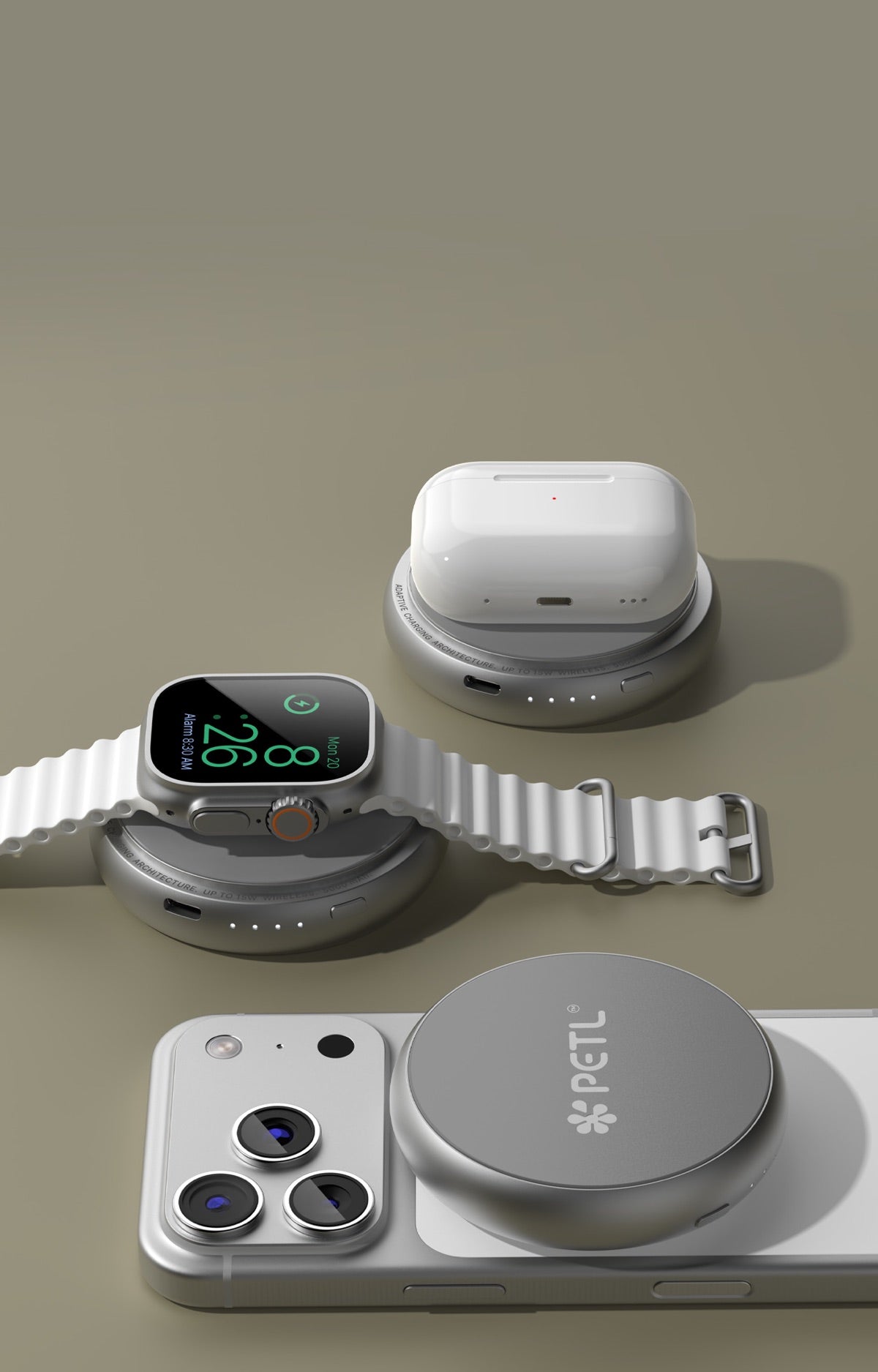
The practical implication: a quality 5,000mAh MagSafe battery pack has enough raw capacity to take most current iPhone models from near-zero to full — once. A 10,000mAh pack can do that twice over, or handle your iPhone plus an Apple Watch plus a pair of AirPods in a single outing.
5,000mAh vs 10,000mAh Power Bank: Side-by-Side Comparison
When you compare a 5,000mAh power bank vs a 10,000mAh, the numbers are straightforward — but the lifestyle implications are what really matter. Here's how they stack up:
- Raw capacity: A 10,000mAh pack stores twice the energy of a 5,000mAh pack on paper.
- Real-world wireless output: After accounting for inductive efficiency losses, a 5,000mAh pack delivers roughly one full iPhone charge wirelessly; a 10,000mAh pack delivers roughly two.
- Size and weight: Doubling capacity means a noticeably larger, heavier form factor — fine in a bag, uncomfortable in a pocket.
- Cost: 10,000mAh packs are almost always more expensive.
- Recharge time: A 10,000mAh pack takes significantly longer to recharge itself overnight.
So when people ask "what's better — 5,000mAh or 10,000mAh?" the honest answer is: it depends entirely on how long you're away from an outlet and how many devices you need to charge.
5,000mAh MagSafe Battery Pack: Who Should Buy It?
The 5,000mAh form factor is the workhorse of the MagSafe battery world. Here's who it's genuinely designed for:
- Daily commuters and office workers. If you leave home in the morning and return in the evening, you need insurance — not a reservoir. One full charge top-up is all most people require on a typical workday.
- Light-to-moderate iPhone users. Streaming, social media, maps, calls — a 5K pack has you covered without the added bulk.
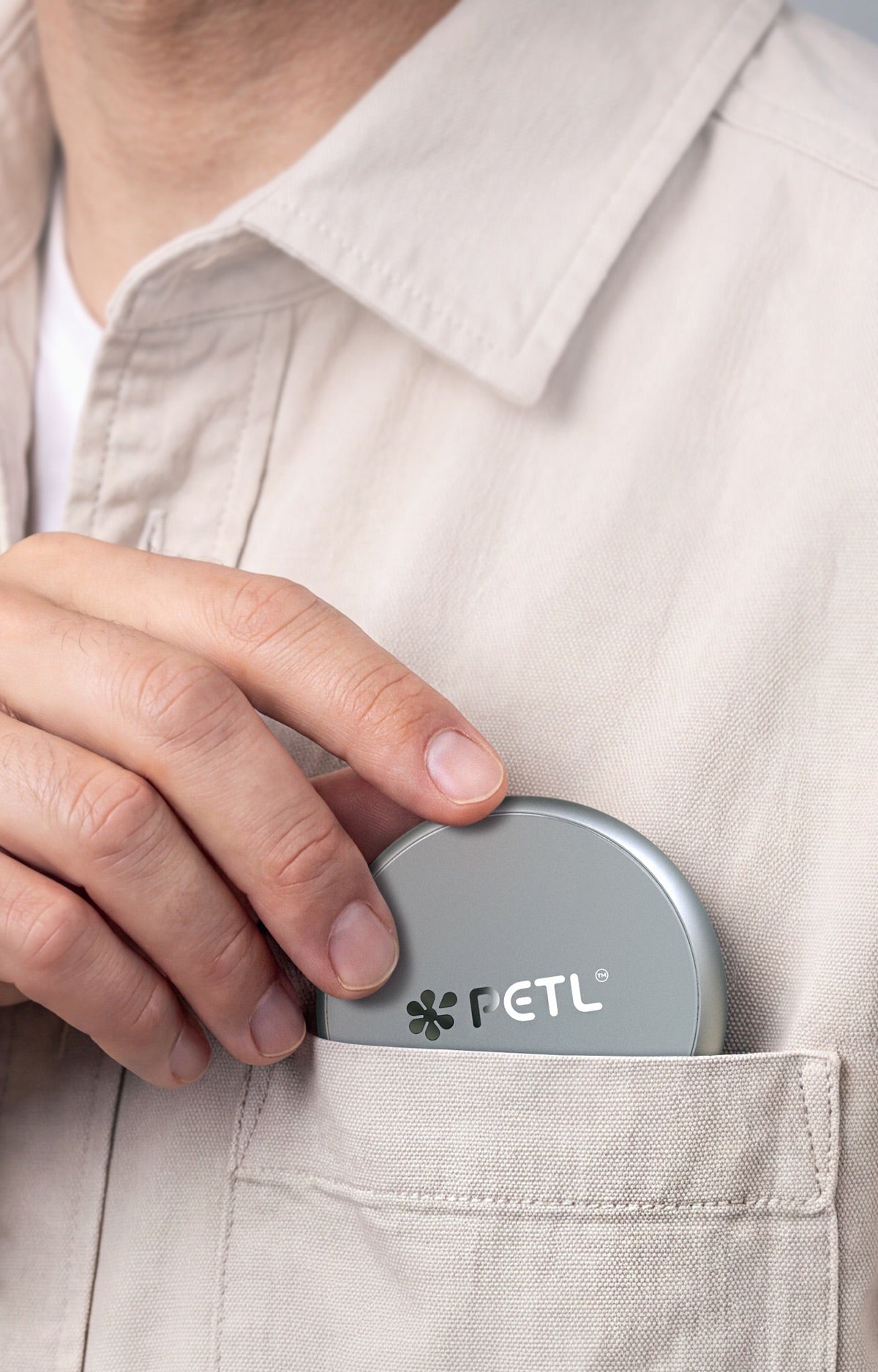
- Pocket-first carriers. The smaller capacity translates directly to a thinner, lighter puck that slips into a jeans pocket or a small bag pouch without protest.
- Budget-conscious buyers. 5,000mAh packs are almost always more affordable. PETL's own MagSafe-compatible battery pack starts at $64.95 — a fair price for daily-use wireless charging that also handles Apple Watch and AirPods.
- Minimalists and travelers on short trips. A weekend trip with a single overnight? A 5K pack is enough without the TSA side-eye a larger battery sometimes earns.
The honest downside: if you're a power user or you forget to recharge your pack every night, you may find yourself rationing that charge on longer days.

10,000mAh vs 5,000mAh: When the Bigger Pack Is Worth It
Doubling the capacity doesn't just double the recharges — it changes the use case entirely. A 10,000mAh MagSafe pack is the right tool when:
- You travel for multiple days. Long flights, multi-day festivals, camping trips, and international travel all benefit from a larger reservoir. Two full iPhone charges plus Apple Watch and AirPods top-ups are easily within range.
- You're a heavy screen-time user. Navigation all day, video calls, mobile gaming, or shooting a lot of video can drain an iPhone fast. A 10K pack buys you time without hunting for an outlet.
- You carry a bag (not just pockets). The added weight and size are barely noticeable in a backpack or tote but are very noticeable in a pocket.
- You charge multiple devices. Many 10,000mAh packs include both a MagSafe wireless pad and a USB-C port, meaning your iPhone, Apple Watch, and AirPods can all be served from one pack.
The honest downside: 10K packs are larger, heavier, more expensive, and often slower to recharge themselves. If you only ever need one phone top-up, you're paying for capacity you'll never use.
5,000 vs 10,000 mAh: At-a-Glance Size Comparison
- 5,000mAh: ~1 full iPhone charge wirelessly · Slim and pocketable · Best for daily carry · Lower cost
- 10,000mAh: ~2 full iPhone charges wirelessly · Larger and heavier · Best for travel and heavy use · Higher cost
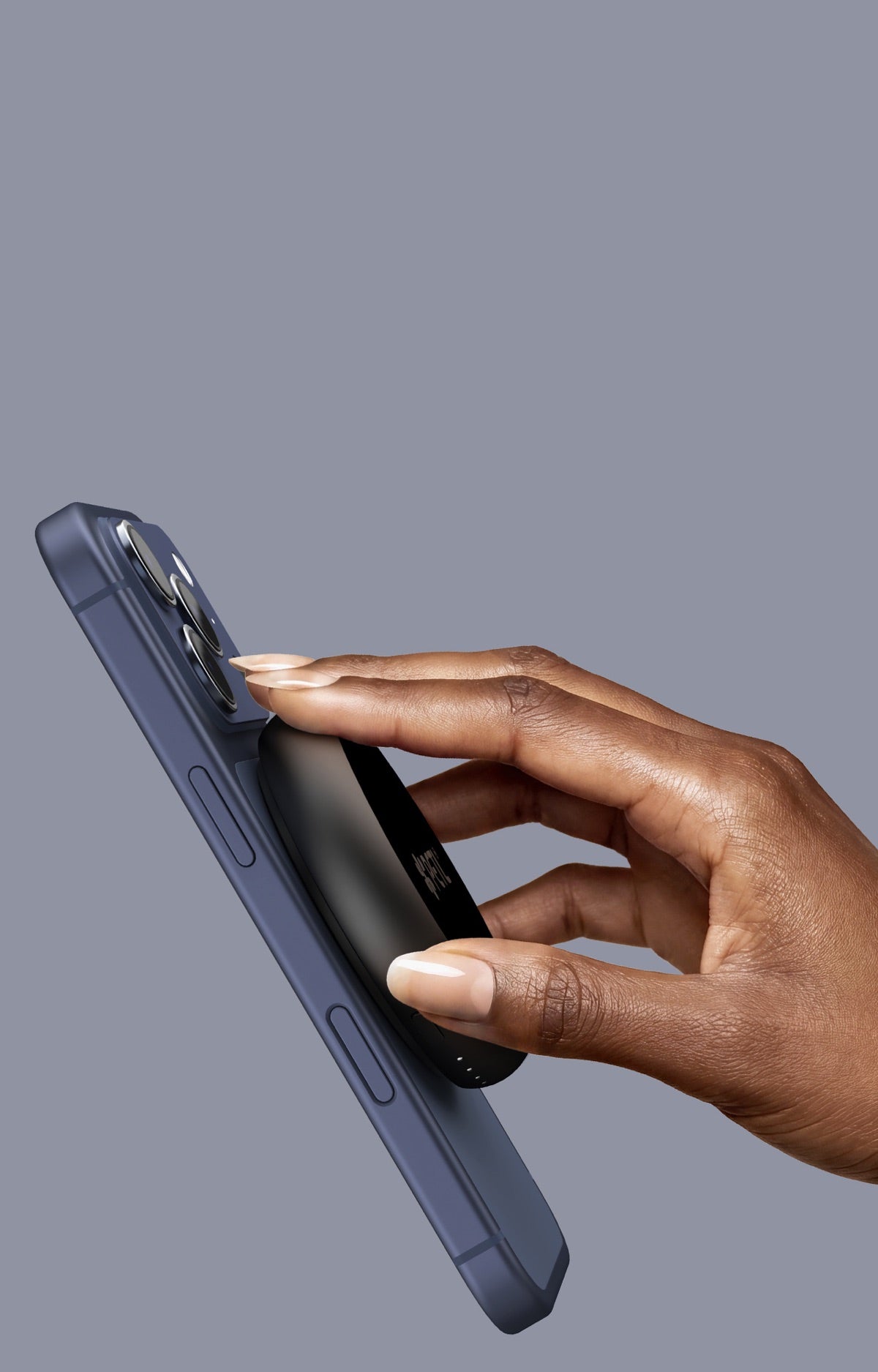
Both sizes are MagSafe-compatible (meaning they use a magnetic ring that aligns perfectly with iPhone 12 through iPhone 17 models), deliver wireless charging without fumbling with cables, and can top up AirPods cases and Apple Watch when needed.
MagSafe vs. Qi2: Does the Capacity Choice Change Anything?
MagSafe and Qi2 are both magnet-aligned wireless charging standards, and many modern battery packs support one or both. Qi2 is an open standard that delivers MagSafe-level magnetic alignment to a broader range of devices. When comparing a 5,000mAh vs. 10,000mAh pack, the standard matters less than the capacity decision for most buyers — but it's worth confirming your chosen pack supports your iPhone's preferred standard for the most reliable alignment and charging speed.
Why Do Wireless Power Banks Deliver Less Than Their mAh Rating?
This surprises a lot of buyers. The short answer: wireless inductive charging — including MagSafe — generates heat during energy transfer, which means some energy is lost before it reaches your iPhone's battery. Real-world wireless efficiency is typically in the 70–80% range, so a 5,000mAh pack realistically delivers closer to 3,500–4,000mAh to your phone, and a 10,000mAh pack delivers roughly 7,000–8,000mAh. Always factor this in when comparing capacity specs — the difference between 5,000mAh and 10,000mAh in real-world wireless output is meaningful, but not a full 2× in practice.
The "How Much mAh Do I Need?" Decision Framework
Still unsure which is better — 5,000mAh or 10,000mAh? Answer these three questions honestly:
- How long are you typically away from an outlet? Under 12 hours → 5,000mAh. More than 12–18 hours regularly → 10,000mAh.
- Do you carry a bag or rely on your pockets? Pockets → 5,000mAh. Bag → either size works, choose based on trip length.
- Are you charging one device or multiple? iPhone only → 5,000mAh is efficient. iPhone + Watch + AirPods on a long day → 10,000mAh gives more headroom.
If you answered 5,000mAh to all three, the choice is clear. If you hit even one 10,000mAh answer, consider whether the extra capacity is worth the trade-off in size for your lifestyle.
Why PETL's MagSafe Battery Pack Hits the Sweet Spot
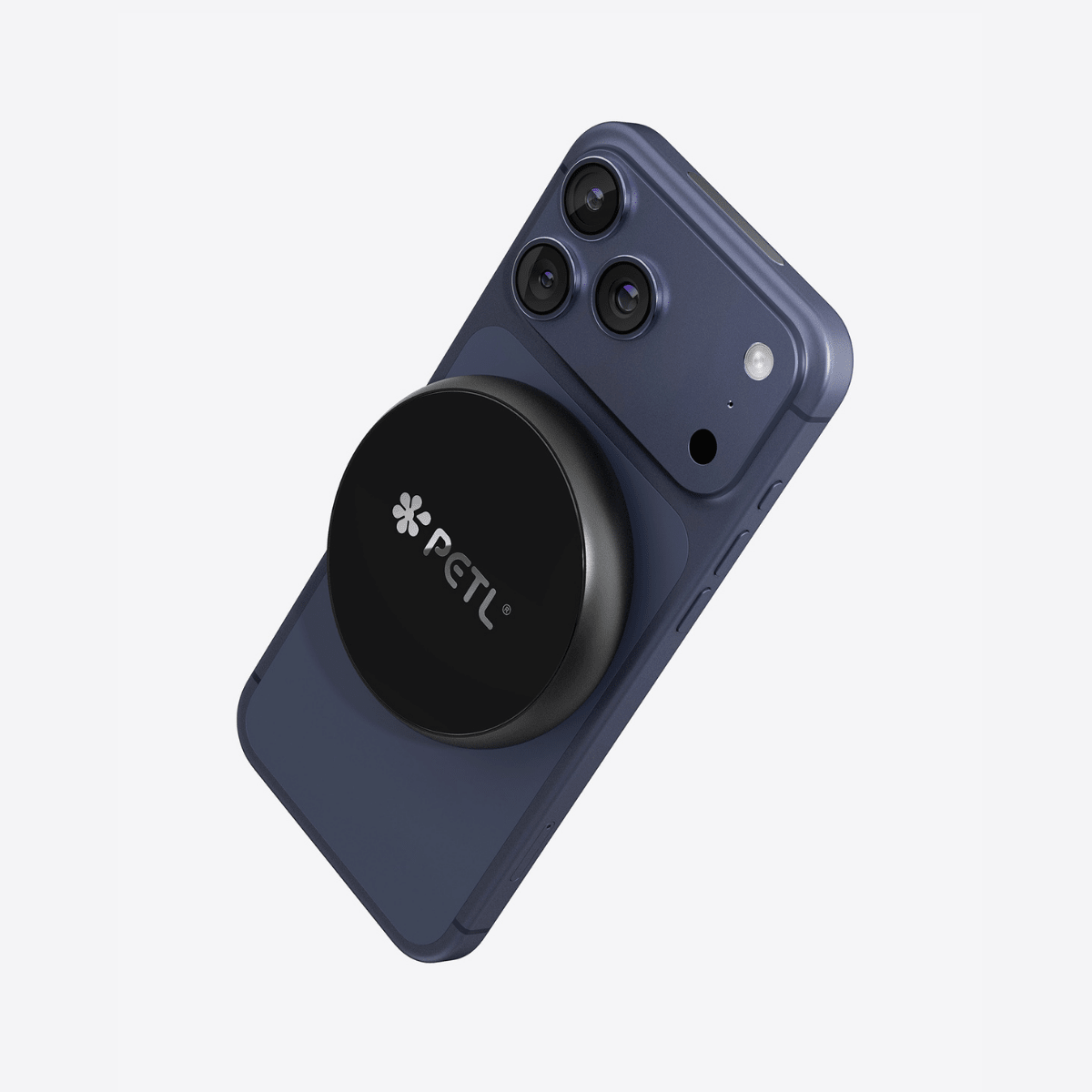
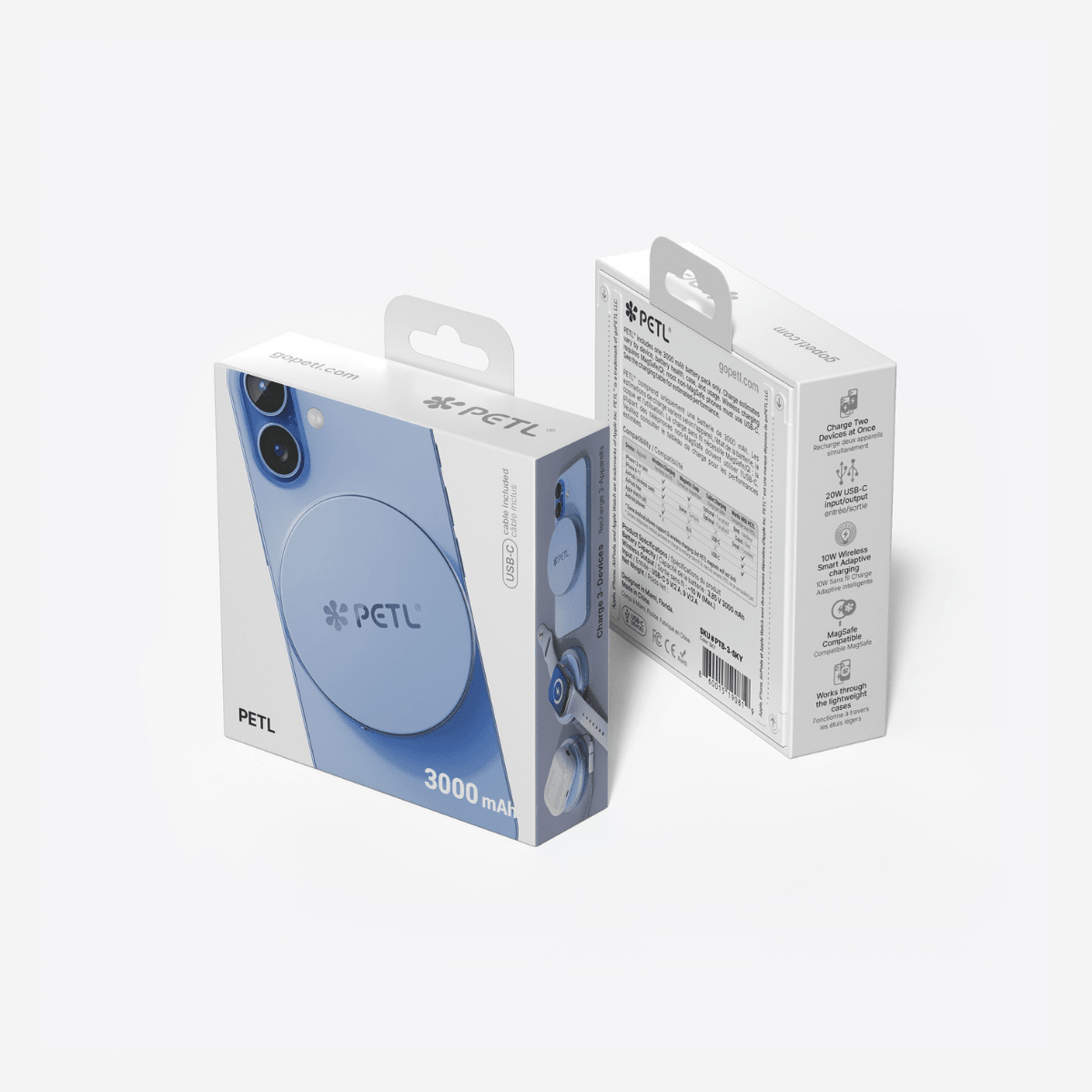
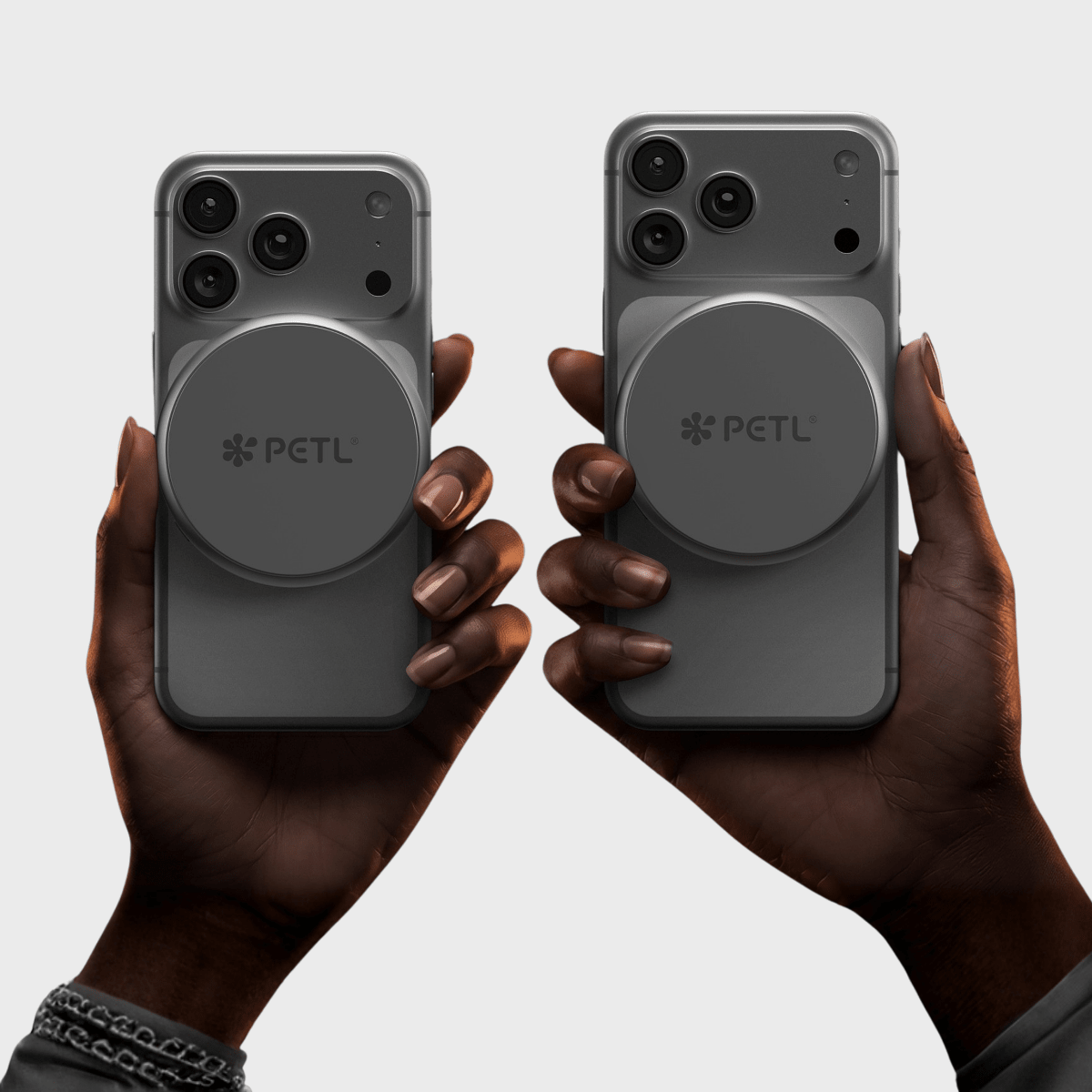
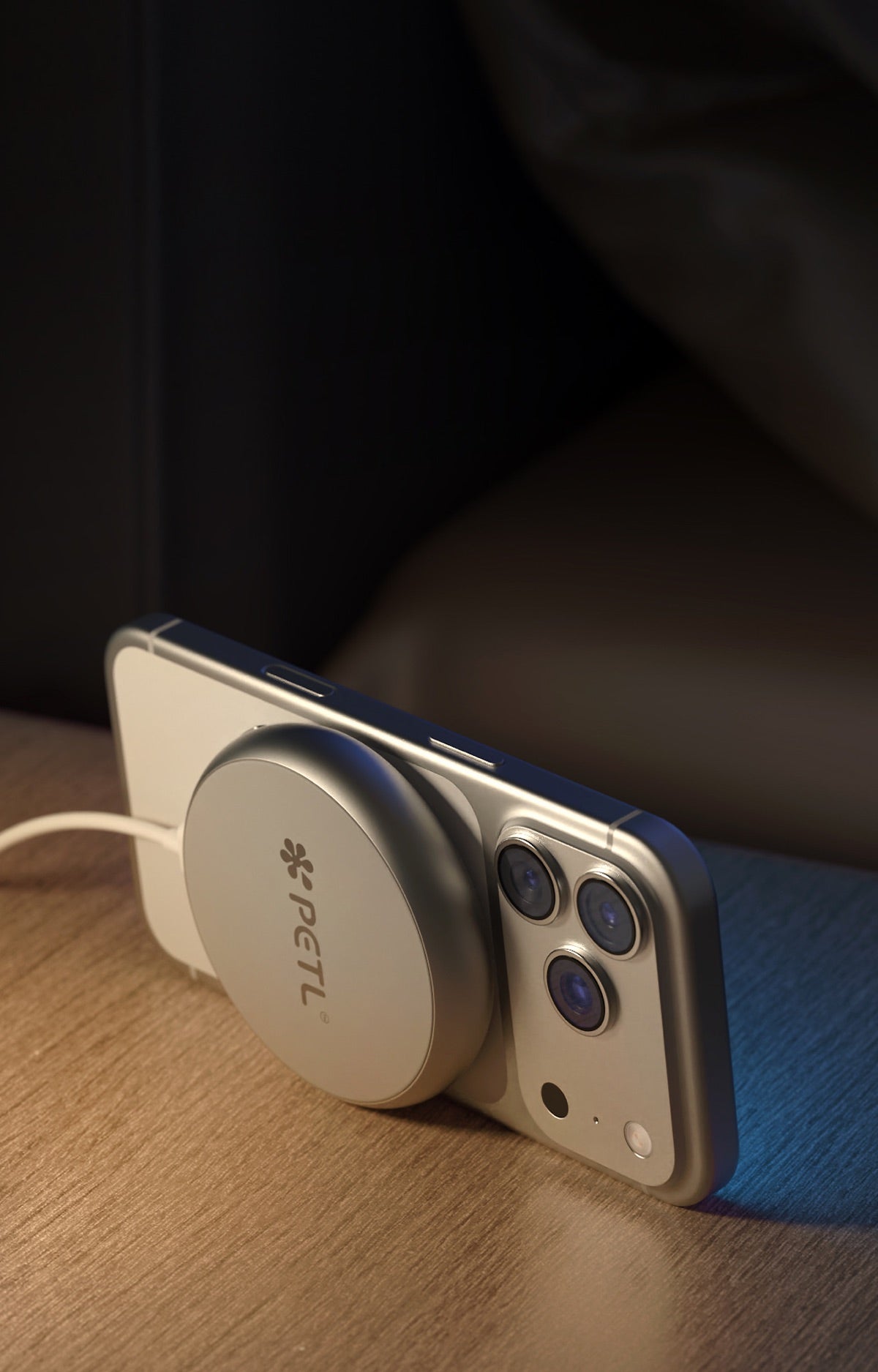
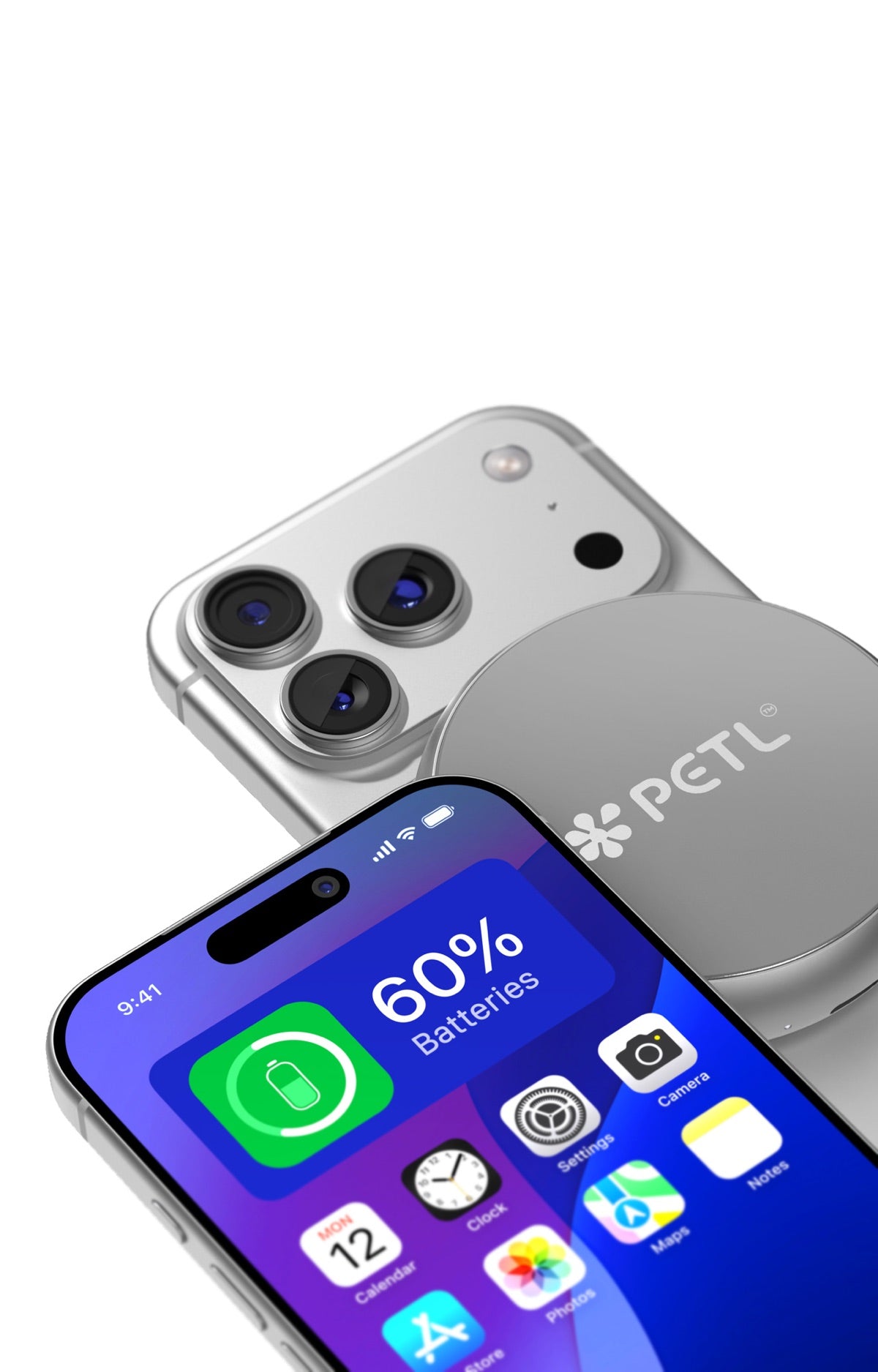
PETL's MagSafe-compatible battery packs are engineered around the insight that most iPhone users need reliable daily coverage, not a brick in their pocket. Starting at $64.95, PETL wirelessly charges iPhone, tops up Apple Watch, and keeps AirPods alive — all from a slim, circular puck designed to sit flush against any iPhone 12 through iPhone 17 model via its MagSafe-compatible magnetic ring. The PETL 2 Plus steps up to a 5,000mAh high-density lithium polymer cell in a CNC-machined aluminum and tempered glass design, with 15W Qi wireless charging and USB-C passthrough — and it even appears in the iOS battery widget automatically, no app required.
It's built for the commuter, the weekend traveler, and anyone who's ever watched their battery percentage crawl toward zero with no outlet in sight. No cables to dig out. No alignment fuss. Just snap it on and go.
The Bottom Line: 5,000mAh or 10,000mAh — Which MagSafe Battery Pack Should You Choose?
For the majority of iPhone users — those with typical daily routines who value portability and price — a 5,000mAh MagSafe battery pack is the better call. It covers one full iPhone charge wirelessly, fits in a pocket, and costs less. For frequent travelers, multi-day adventurers, and heavy power users who carry a bag, the extra investment in a 10,000mAh pack pays for itself in peace of mind.
The best MagSafe battery pack isn't the one with the biggest number on the box — it's the one that matches how you actually live with your iPhone.
Frequently asked questions
What is the difference between a 5,000mAh and 10,000mAh power bank?
The core difference between a 5,000mAh and 10,000mAh power bank is stored energy — a 10,000mAh pack holds twice the raw capacity. In real-world wireless charging, that translates to roughly one full iPhone charge from a 5,000mAh pack versus roughly two from a 10,000mAh pack (after accounting for the 70–80% efficiency of wireless inductive transfer). The trade-off is size, weight, and cost: a 10,000mAh power bank is noticeably heavier and bulkier than its 5,000mAh counterpart.
5,000mAh vs 10,000mAh power bank — which should I choose?
Choose a 5,000mAh power bank if you need a pocketable daily carry that delivers one full iPhone top-up — it's lighter, cheaper, and easier to recharge overnight. Choose a 10,000mAh power bank if you travel for multiple days, are a heavy screen-time user, or need to charge multiple devices (iPhone, Apple Watch, AirPods) without stopping. Neither is universally better; the right choice depends on how long you're away from an outlet.
5,000 vs 10,000 mAh — is the extra capacity worth it?
Only if you'll actually use it. After wireless charging efficiency losses (typically 70–80%), a 10,000mAh pack delivers roughly 7,000–8,000mAh to your devices — about two full iPhone charges. If your day rarely stretches beyond 12 hours away from a charger, you're paying extra for capacity, size, and weight you won't need. If you travel frequently or charge multiple Apple devices, the upgrade is absolutely worth it.
Is 5,000mAh enough for an iPhone?
Yes, for most current iPhone models. A 5,000mAh pack has enough raw capacity to deliver approximately one full wireless charge after accounting for inductive transfer losses (typically 70–80% efficiency). If you're a light-to-moderate user who returns home within a day, a 5,000mAh MagSafe battery pack is the ideal size and avoids unnecessary bulk.
How many iPhone charges does a 10,000mAh power bank provide?
A 10,000mAh MagSafe pack can typically deliver roughly two full wireless charges to a modern iPhone, since wireless charging efficiency means not all stored energy reaches your phone. It also has enough headroom to top up an Apple Watch and AirPods on top of those iPhone charges — making it a strong option for travel days or heavy users.
Is the PETL MagSafe battery pack worth buying?
PETL's MagSafe-compatible battery packs start at $64.95 and support wireless charging for iPhone 12 through iPhone 17, plus Apple Watch and AirPods. The PETL 2 Plus offers a 5,000mAh lithium polymer cell, 15W Qi wireless charging, USB-C passthrough, and automatic iOS battery widget integration — all in a slim, CNC-machined aluminum and tempered glass design. For buyers who prioritize daily portability and reliable wireless charging, it represents strong value in the 5,000mAh category.


Share:
PETL Charger Reviews 2026: Best MagSafe Power Bank for iPhone
Round MagSafe Power Bank by PETL: The Complete 2026 Guide