


TL;DR: MagSafe does not damage iPhone battery health in normal everyday use. The real enemy of lithium-ion batteries is sustained heat — and well-designed MagSafe accessories manage heat automatically. If you've been holding off on a MagSafe battery pack because of battery-health anxiety, this article gives you the full picture, including what to look for in a pack that keeps charging cooler and more efficient.

Does MagSafe Damage Battery Health? The Short Answer
No — MagSafe charging, used normally, does not meaningfully damage iPhone battery health. Apple designed MagSafe as a first-party charging standard, built it into every iPhone 12 through iPhone 16, and regulates the entire charging process through iOS. The system is built to protect your battery, not degrade it.
That said, the anxiety around this question is understandable. Lithium-ion batteries do degrade over time, heat is a real factor, and wireless charging does produce more heat than wired charging. None of that means MagSafe is harmful — it means understanding a few basic principles puts the fear to rest for good.
What Actually Causes iPhone Battery Degradation?
Before we can answer whether MagSafe harms your battery, it helps to understand what actually causes lithium-ion batteries to lose capacity over time. There are three primary culprits:
- Heat. Sustained high temperatures accelerate the chemical reactions inside a lithium-ion cell, causing it to lose capacity faster than normal. This is the single biggest real-world factor.
- Charge cycles. Every full discharge-to-recharge cycle uses up a small portion of a battery's rated cycle life. Keeping your iPhone between 20–80% charge as often as practical extends lifespan, though iOS's Optimized Battery Charging already helps manage this automatically.
- Extreme voltage states. Sitting at 100% for prolonged periods — or draining to 0% repeatedly — stresses battery chemistry. Again, iOS handles this intelligently in the background.
Notice what's not on that list: the shape of a charger, whether it's wireless or wired, or the brand name on the accessory. The physics is what matters, not the marketing.
Does MagSafe Charging Damage Battery Health Over Time?
The concern usually goes like this: "Wireless charging generates heat, heat damages batteries, therefore MagSafe damages batteries." The logic sounds tight. The conclusion is misleading.
Here's why. All wireless charging generates some heat — that's a basic consequence of inductive energy transfer, where a small percentage of energy is lost as warmth. But MagSafe is a precisely aligned magnetic system. Because the charging coil on the battery pack snaps to the exact center of the iPhone's receiver coil every single time, energy transfer is highly efficient, and wasted heat is minimized compared with generic loose-fitting Qi pads where misalignment is common.
Additionally, iOS monitors battery temperature in real time. When the iPhone detects that it's running too warm, it automatically slows or pauses charging. You may have noticed a message on a hot day saying "Charging On Hold — iPhone needs to cool down before charging." That's the system working exactly as intended. MagSafe doesn't bypass this protection — it works within it.
The real-world scenarios that do create meaningful battery stress are: leaving your phone on a wireless charging pad inside a hot car, charging inside a thick insulating case that traps heat, or charging at maximum wattage on an already-warm device with no airflow. None of those scenarios are specific to MagSafe — they apply equally to wired charging and third-party Qi pads.
Is MagSafe Safe for iPhone Battery Long-Term?
Yes — for the overwhelming majority of iPhone users charging in normal conditions. Apple's own guidance endorses MagSafe as a supported, native charging method. The company wouldn't integrate a technology into its flagship device lineup from iPhone 12 through iPhone 16 if it accelerated battery degradation in any meaningful way.
The Optimized Battery Charging feature in iOS (Settings → Battery → Battery Health & Charging) learns your daily charging patterns and deliberately holds the charge at around 80% until just before you typically unplug. This works with MagSafe battery packs as well as wall chargers, further reducing the voltage stress that causes cycle-life loss over time.
Bottom line: if MagSafe charging were meaningfully harmful to battery health, you'd see consistent, reproducible data showing accelerated degradation in iPhones charged wirelessly versus wired. That data doesn't exist — because MagSafe, used normally, doesn't pose a special risk.

The One Real Variable: Heat Management Differs Between Accessories
Here's where the nuance lives — and where your choice of MagSafe battery pack actually matters.
While MagSafe as a standard is safe, not all MagSafe-compatible accessories manage heat equally well. Two factors drive charging temperature in a magnetic battery pack: coil alignment and coil geometry.
Coil Alignment: Why Magnets Matter
When a charging coil and a receiver coil are perfectly centered, energy transfer is efficient and heat generation is low. When they're offset — even slightly — the efficiency drops, and the wasted energy becomes heat. This is why a weak magnet or an oversized rectangular pack that doesn't center itself properly on the iPhone's circular receiver can run warmer than a well-aligned one.
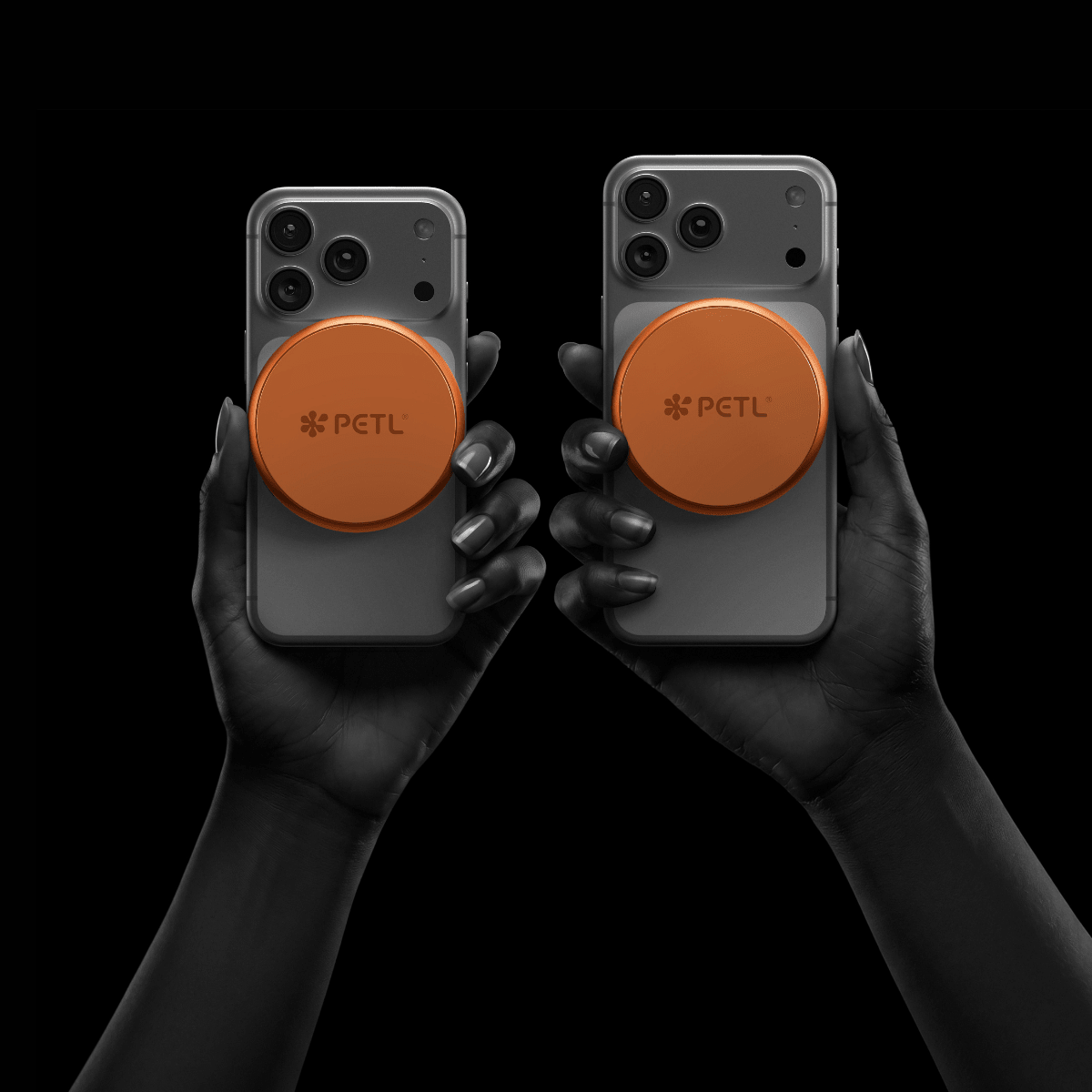
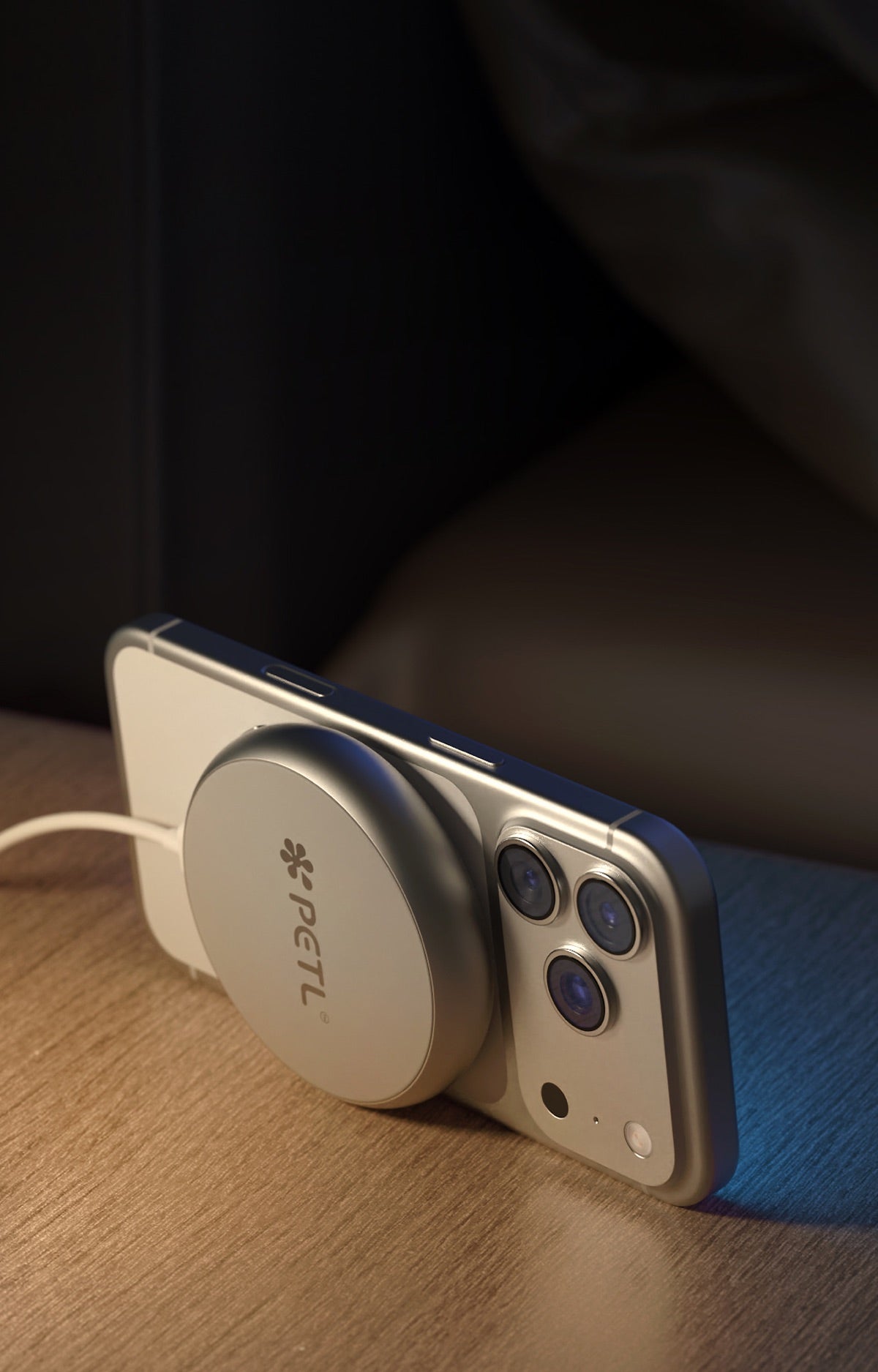
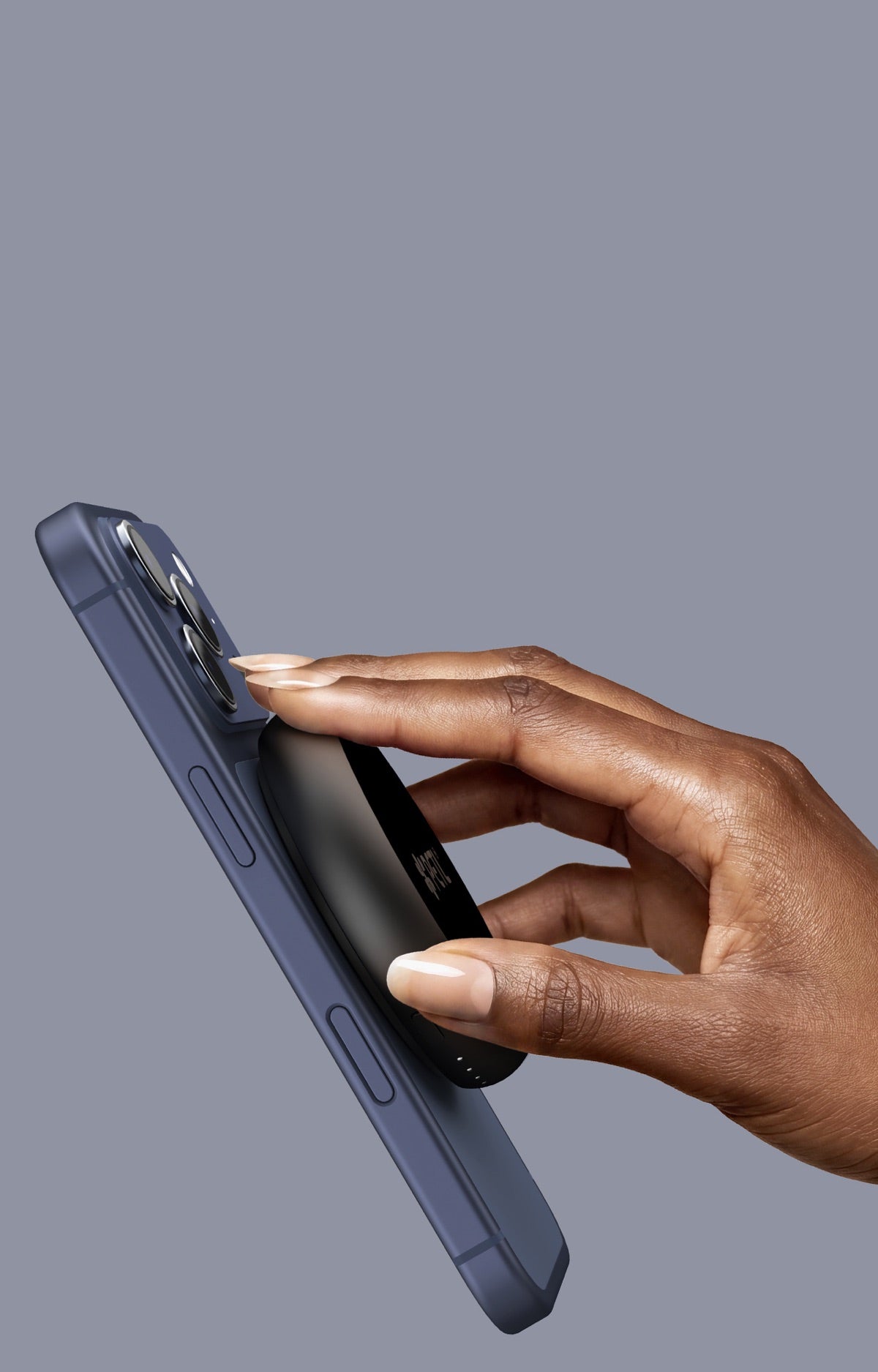
MagSafe-compatible accessories that use strong N52 neodymium magnets snap precisely and stay put. PETL uses N52 neodymium magnets in both the original PETL and the PETL 2 Plus — ensuring the coil doesn't drift during charging, whether the phone is in your pocket, flat on a desk, or snapped on during a commute.
Coil Geometry: The Circular Advantage
This is where PETL's design tells a story that goes beyond aesthetics. Most MagSafe battery packs on the market are rectangular. The charging coil inside them is circular (because iPhone's MagSafe receiver is circular), but it's housed in a rectangular enclosure. That mismatch means the coil is not centered within the pack's own footprint — and the extra mass and material around the coil can affect how heat dissipates from the interface.
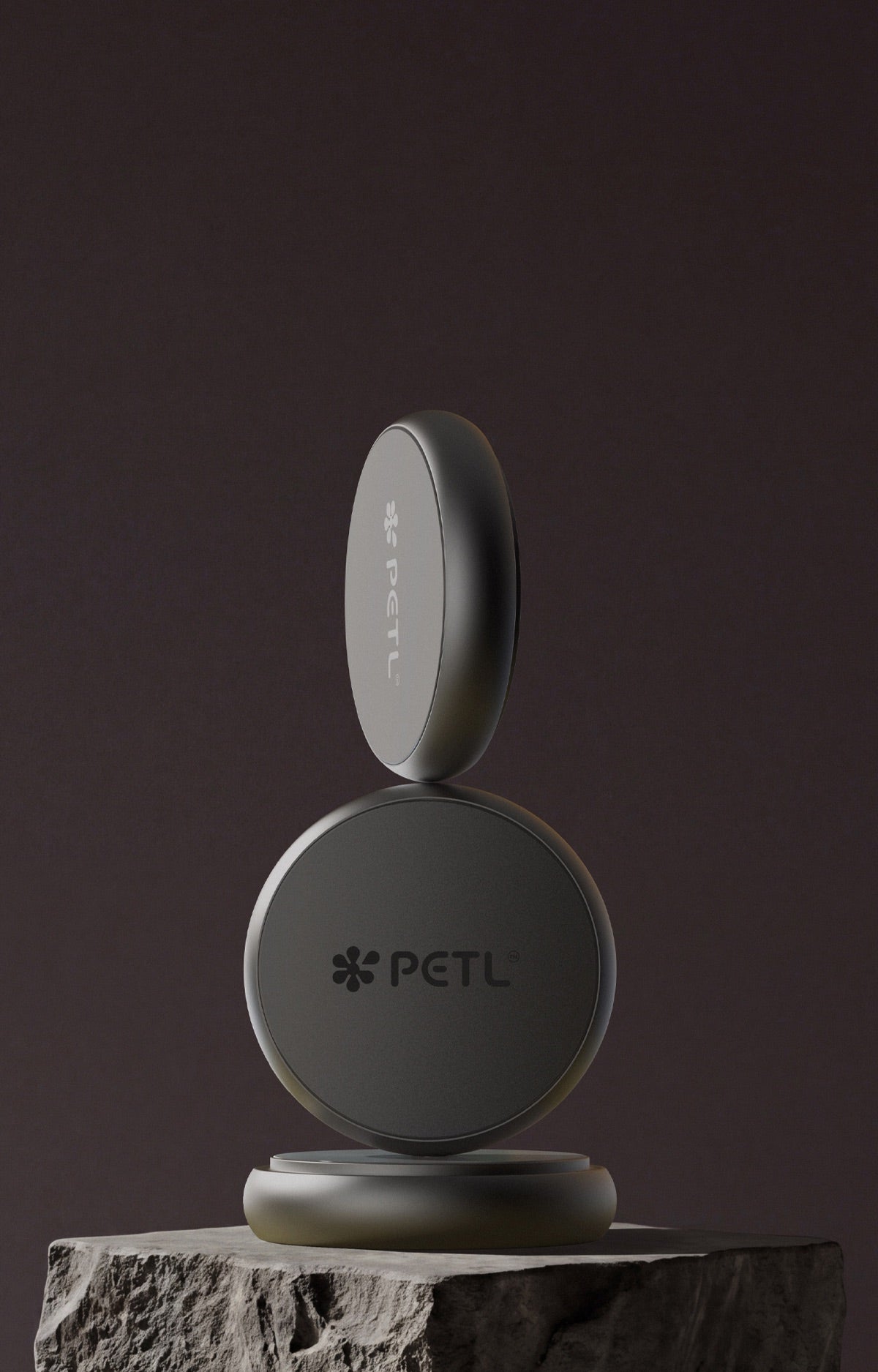
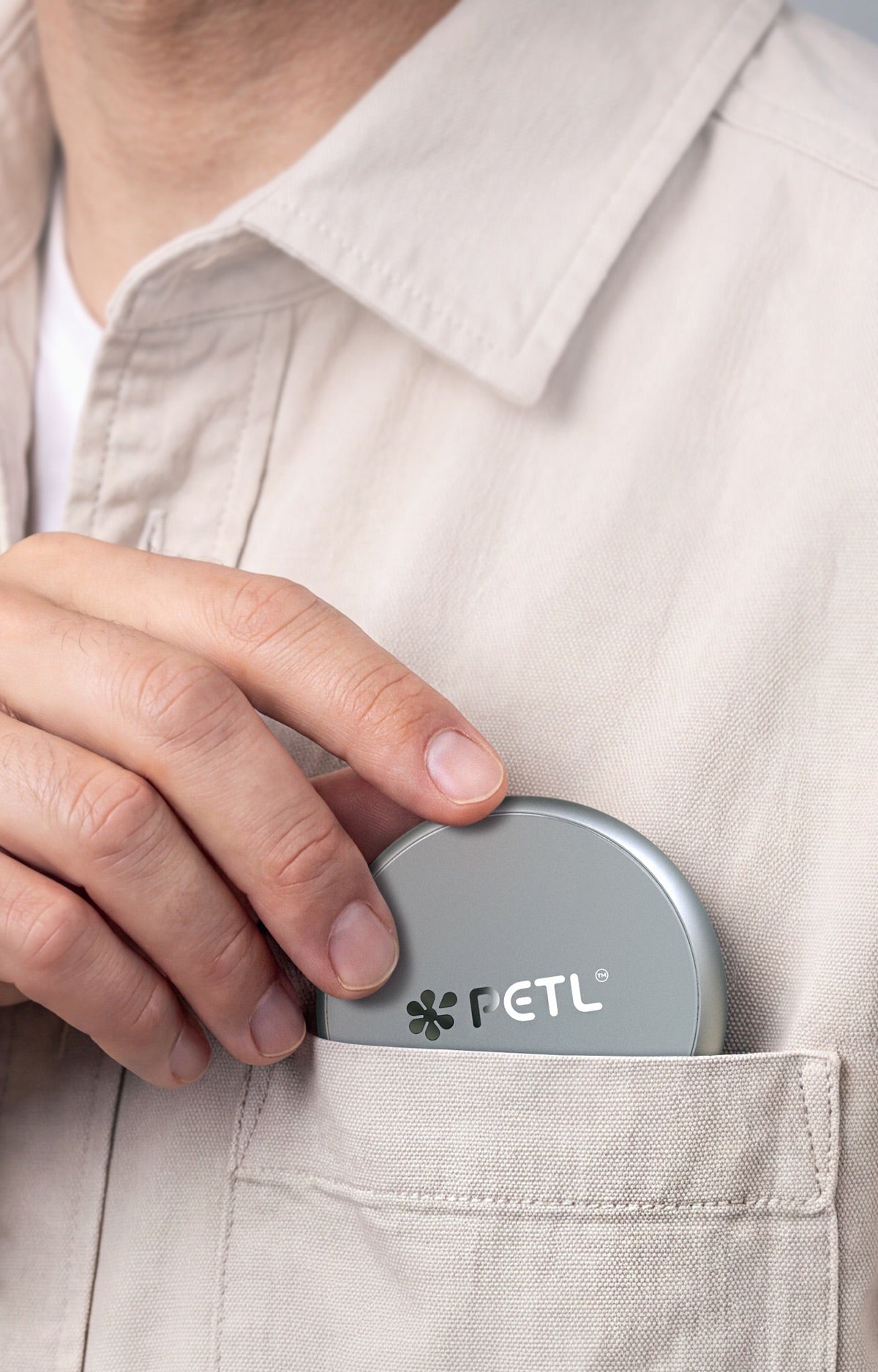
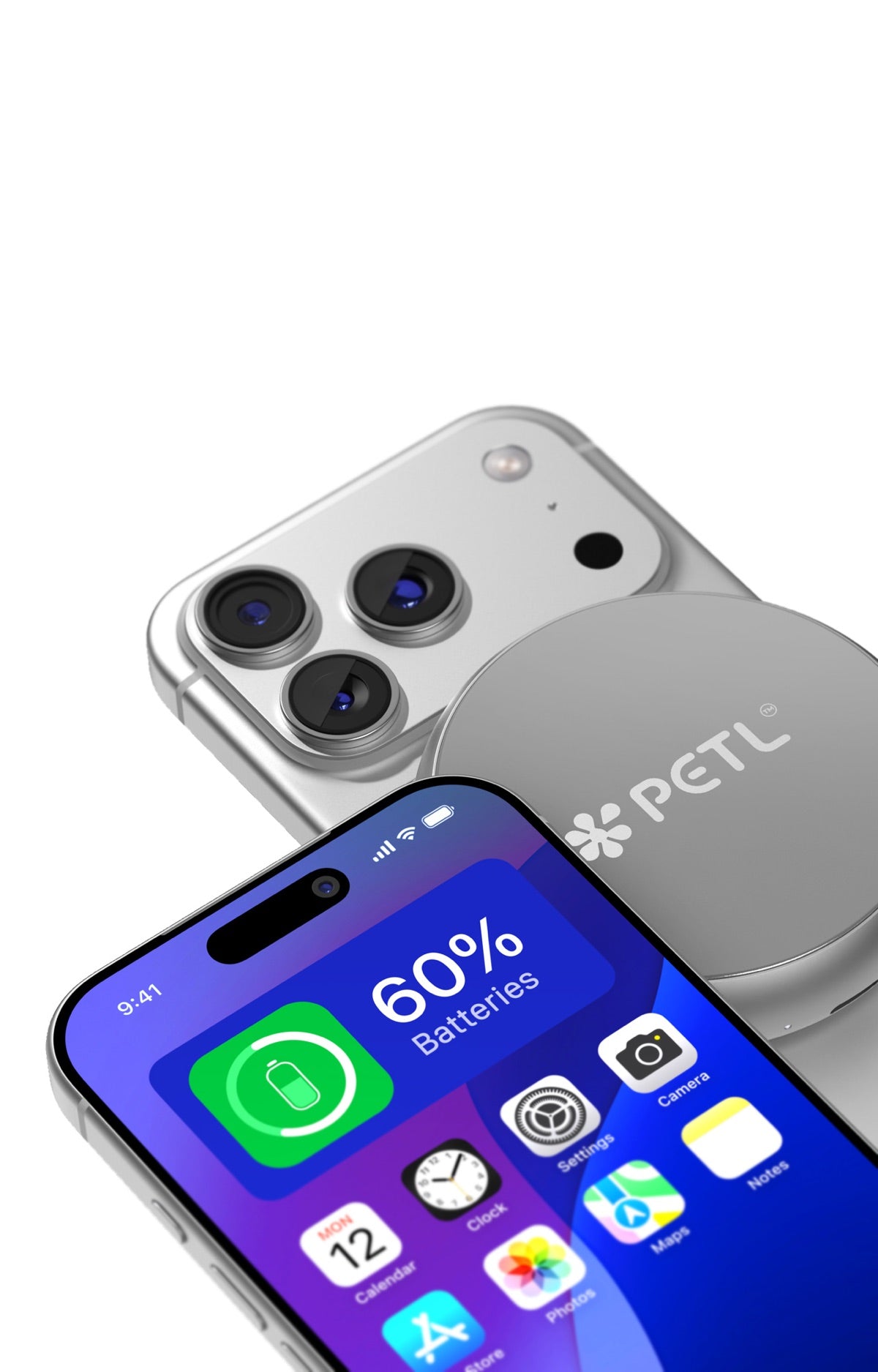
PETL's circular form factor is a direct match for the circular MagSafe charging area on iPhone. The coil sits at the center of the disc, the magnet ring aligns perfectly, and there's no unnecessary material trapping warmth at the charge interface. The CNC-machined aluminum housing — used in both the original PETL and the PETL 2 Plus — is itself a heat-dissipating material, conducting warmth away from the charging interface rather than insulating it.
This isn't just a visual differentiator. It's a functional one: a circular coil in a circular housing, centered on a circular receiver, is the geometry closest to how MagSafe was designed to work.
MagSafe Battery Pack Review 2025: What to Look For
If you're evaluating MagSafe battery packs in 2025, here's a practical checklist grounded in what actually affects battery health and daily usability:
- Strong magnets (N52 neodymium). Ensures the coil centers and stays centered — the single biggest alignment factor.
- Circular or well-centered coil geometry. Reduces misalignment heat at the charge interface.
- Compact, pocketable form factor. Thinner packs with good material choices (aluminum rather than plastic) tend to dissipate surface heat better.
- iOS battery widget support. Lets you monitor the pack's remaining charge without an app — a sign of genuine MagSafe ecosystem integration.
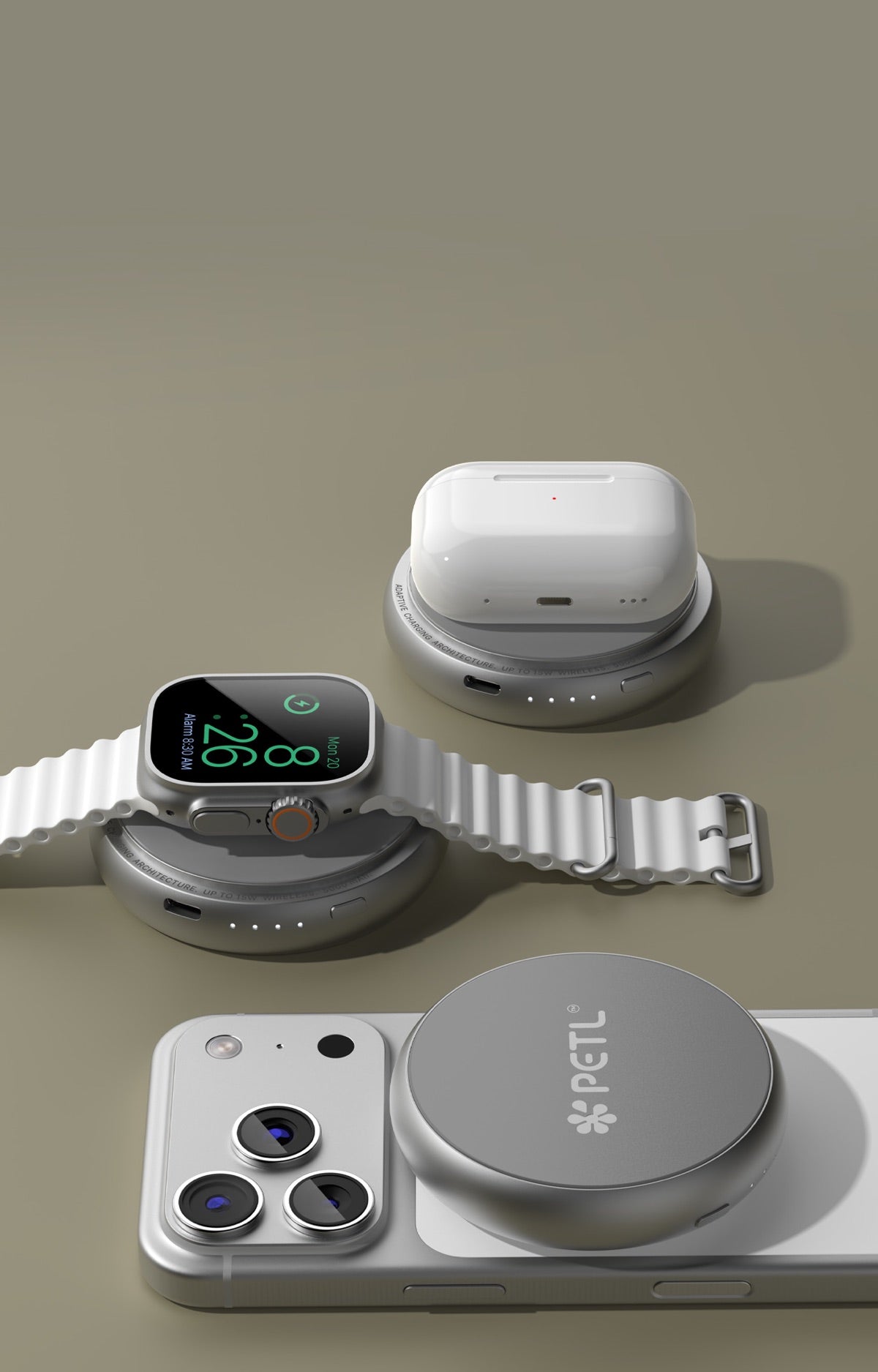
- Multi-device coverage. The best packs charge iPhone, Apple Watch, and AirPods wirelessly — replacing multiple accessories without adding multiple items to your bag.
- Honest capacity sizing. Match the mAh to your actual daily needs, not the biggest number you can find.
Introducing PETL: The Circular MagSafe Battery Pack Built Around These Principles
PETL makes the world's only circular MagSafe-compatible battery pack — and the design exists because of exactly the reasoning above. Nothing else on the market looks like it, because no one else started from the geometry of the MagSafe system itself and built outward from there.
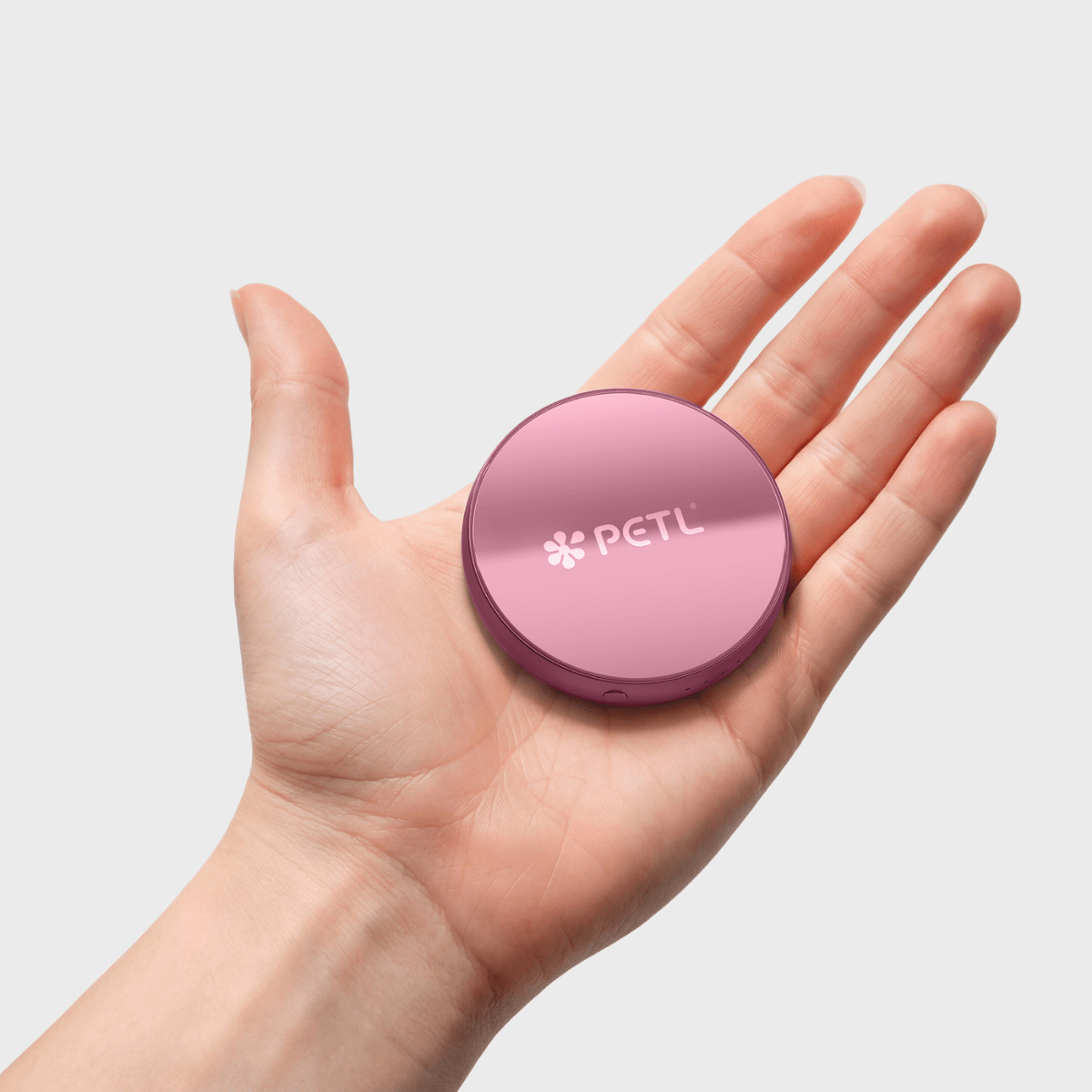
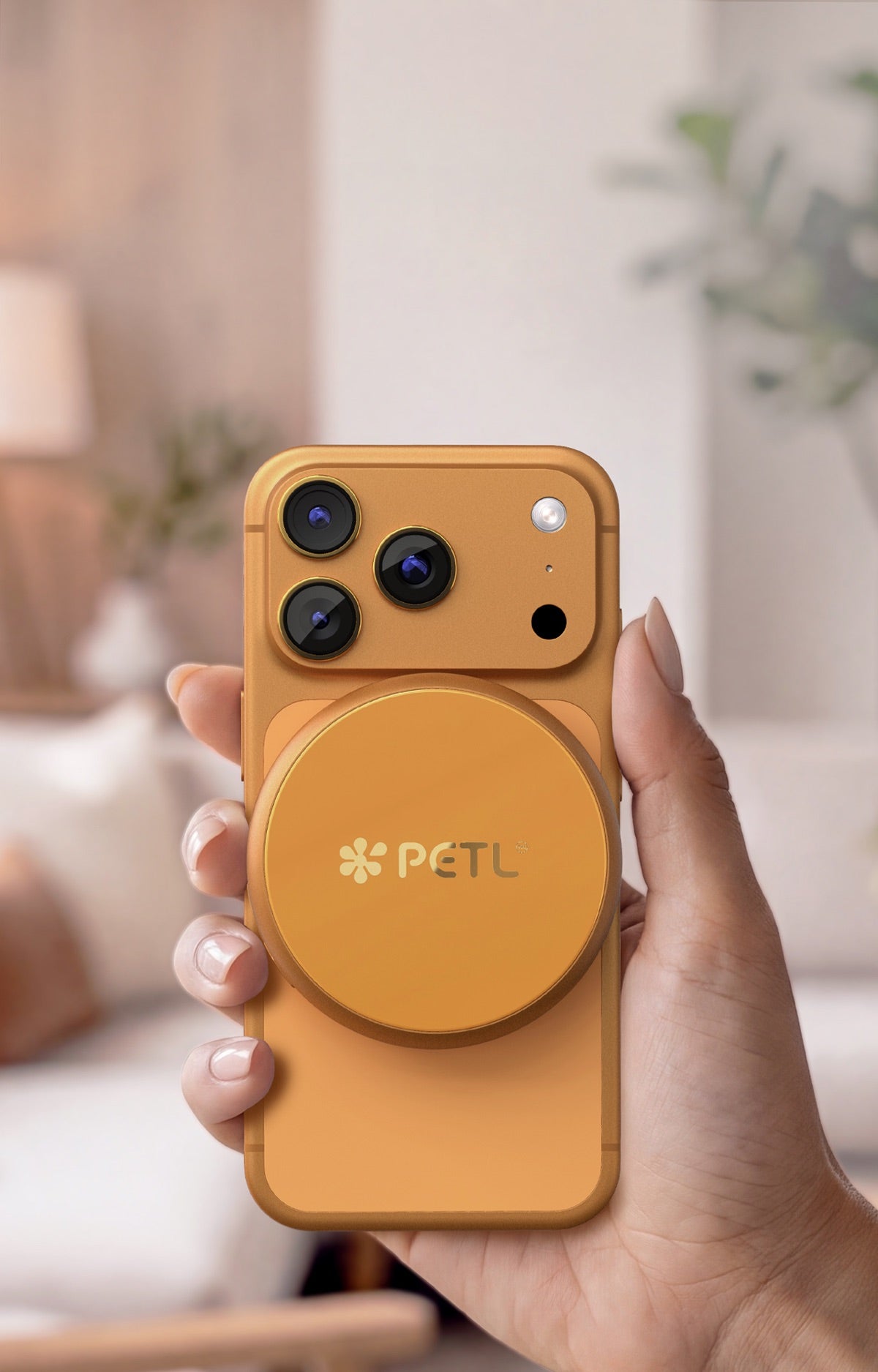
It's a battery pack that feels less like a gadget you tolerate and more like an accessory you chose — CNC-machined aluminum, tempered glass top, coin-slim profile, available in colors that complement iPhone rather than clash with it.
Two Sizes, Honestly Described
PETL offers two models, and it's worth being direct about what each one is designed for:
- PETL (3,000 mAh) — priced at $64.95. At just 70mm wide and 14mm thin, this is the everyday carry model. It delivers confident top-ups throughout the day — enough to push a low iPhone meaningfully back up toward full — without adding noticeable bulk to a pocket. It also charges Apple Watch and AirPods wirelessly, so it replaces a bag of cables with a single disc. Up to 10 extra hours of talk time.
- PETL 2 Plus (5,000 mAh) — priced at $89.95. At 72.5mm wide and 16.2mm thin, this is the travel and longer-day model. With 15W Qi wireless and USB-C passthrough, it can deliver a near-full iPhone recharge and still have capacity for your AirPods and Apple Watch. Up to 15 extra hours of talk time. Available in Cosmic Orange, Slate, and Space Black.
Both models appear in the native iOS battery widget — no app required — and both use N52 neodymium magnets for a precise, stable snap to iPhone 12 through iPhone 16.
Who PETL Is Not For
Honest positioning matters. PETL is not the highest-capacity pack on the market. If you're a field professional, a heavy gamer, or someone who regularly needs two or more full iPhone charges away from any outlet, a larger-capacity rectangular brick may genuinely serve you better. PETL's point is not maximum power — it's the right amount of power in the most carry-friendly form factor available, for the person who wants daily confidence without daily bulk.
Practical Tips to Protect iPhone Battery Health While Using MagSafe
Regardless of which MagSafe battery pack you choose, these habits keep your iPhone battery healthier over the long run:
- Enable Optimized Battery Charging. Go to Settings → Battery → Battery Health & Charging and make sure this is on. iOS will learn your schedule and avoid holding the battery at 100% unnecessarily.
- Remove thick, insulating cases when charging in warm environments. A very thick plastic or leather case traps heat at the charging interface. In cool environments this matters less; in a hot car or direct sunlight, it matters more.
- Avoid charging on top of other heat-generating surfaces. Stacking your phone and pack on top of a warm laptop or leaving them in direct sunlight adds ambient heat to an already-warm process.
- Use a pack with strong magnets. A secure, centered connection is a cooler, more efficient connection. If your pack drifts around on the back of your iPhone, consider upgrading.
- Don't stress about top-up charging. Plugging in when you drop to 40% or 50% is actually gentler on lithium-ion cells than deep-cycle charging to 0% and back to 100%. MagSafe battery packs encourage exactly this kind of gentle top-up behavior.
The Bottom Line: MagSafe Is Safe, and Geometry Matters
Does MagSafe damage battery health? No — not in normal use. iOS manages charging temperature and voltage automatically, MagSafe's precise magnetic alignment makes it one of the more efficient wireless charging methods available, and Apple has built the entire system around protecting your battery's long-term performance.
Where your choice of accessory does make a difference is in coil alignment and heat dissipation. A pack with strong magnets, a coil geometry that matches the iPhone's circular receiver, and a thermally conductive housing will charge cooler and more efficiently than a misaligned or poorly designed alternative. That's the honest case for choosing a well-engineered MagSafe battery pack — not fear, but physics.
PETL's circular design isn't a novelty. It's what you get when you start with the geometry of MagSafe and design everything else around it — a pack that snaps on, charges all three devices you carry, and disappears into your day.
Explore the PETL and PETL 2 Plus at gopetl.com.
Frequently asked questions
Does MagSafe damage iPhone battery health?
No. MagSafe does not damage iPhone battery health in normal everyday use. Apple designed MagSafe as a native iPhone charging standard, and iOS actively manages charging temperature and voltage to protect battery health. The system automatically slows or pauses charging if the iPhone runs too warm.
Does wireless charging harm iPhone battery more than wired charging?
Wireless charging produces slightly more heat than wired charging due to inductive energy transfer losses, but the difference is not meaningfully harmful in normal use. MagSafe's precise magnetic alignment makes it one of the more efficient wireless standards available, minimizing the heat that less-aligned Qi pads can generate.
What actually causes iPhone battery degradation?
The three main causes of lithium-ion battery degradation are sustained heat, charge cycles (repeated full discharge-to-recharge cycles), and extreme voltage states (sitting at 100% or draining to 0% repeatedly). iOS Optimized Battery Charging helps manage all three automatically.
Does the shape of a MagSafe battery pack affect how hot it charges?
Yes. Coil alignment is a key factor in charging temperature. A circular battery pack whose coil geometry matches iPhone's circular MagSafe receiver can stay better centered and transfer energy more efficiently than a rectangular pack where the internal coil sits off-center within the housing. Strong N52 neodymium magnets also help maintain precise alignment, reducing wasted energy — and wasted heat.
Is MagSafe safe for iPhone 12, 13, 14, 15, and 16?
Yes. MagSafe is a native Apple standard supported across iPhone 12 through iPhone 16. On all of these models, iOS manages the charging process — including temperature monitoring and Optimized Battery Charging — making MagSafe safe for long-term daily use.
What is the difference between the PETL and PETL 2 Plus MagSafe battery packs?
The original PETL is a 3,000 mAh circular MagSafe-compatible battery pack — 70mm wide and 14mm thin — designed for everyday top-up charging of iPhone, Apple Watch, and AirPods. The PETL 2 Plus steps up to 5,000 mAh — 72.5mm wide and 16.2mm thin — for near-full iPhone recharges and longer travel days. Both use N52 neodymium magnets and appear in the native iOS battery widget.


Share:
Circular Power Banks for iPhone: What to Know Before You Buy