


TL;DR: The original PETL's 3,000 mAh is genuinely enough for everyday iPhone top-ups — think 10+ extra hours of talk time and enough juice to rescue a dying iPhone 16 on any normal workday. The 5,000 mAh PETL 2 Plus is the right call when you want a near-full recharge, longer days away from an outlet, or a single pack that tops up your iPhone, Apple Watch, and AirPods. Neither PETL is the right tool for a Pro Max power maximalist who never wants to think about charge levels — and this guide is honest about that too.

Why "3,000 mAh Feels Small" — And Why That Feeling Is Misleading
When shoppers compare power banks, bigger numbers win on instinct. A 10,000 mAh pack sounds like three times the value of a 3,000 mAh pack. But milliampere-hours measure raw stored energy, not real-world delivered charge — and three factors close that gap fast.
- Wireless charging efficiency. MagSafe-compatible packs transfer energy inductively, which produces some heat. Real-world wireless efficiency typically runs in the 70–80% range, meaning a 3,000 mAh pack delivers roughly 2,100–2,400 mAh of usable charge to your phone.
- Modern iPhones don't need a full tank to function. Most people don't start a charge at 0% or need to reach 100%. A top-up from 25% to 75% on an iPhone 16 takes far less capacity than a ground-up full recharge.
- A 10,000 mAh brick has real costs. Every extra mAh you carry adds weight, thickness, and bulk. A pack that lives in your bag instead of your pocket is one you'll forget on the day you need it most.
The right question isn't "how many mAh is enough?" It's "enough for what, and at what cost to my daily carry?"
The Real-World Talk-Time Math for Common iPhone Models
PETL publishes verified talk-time figures based on their battery capacities. Here's how those numbers translate across popular iPhone models.
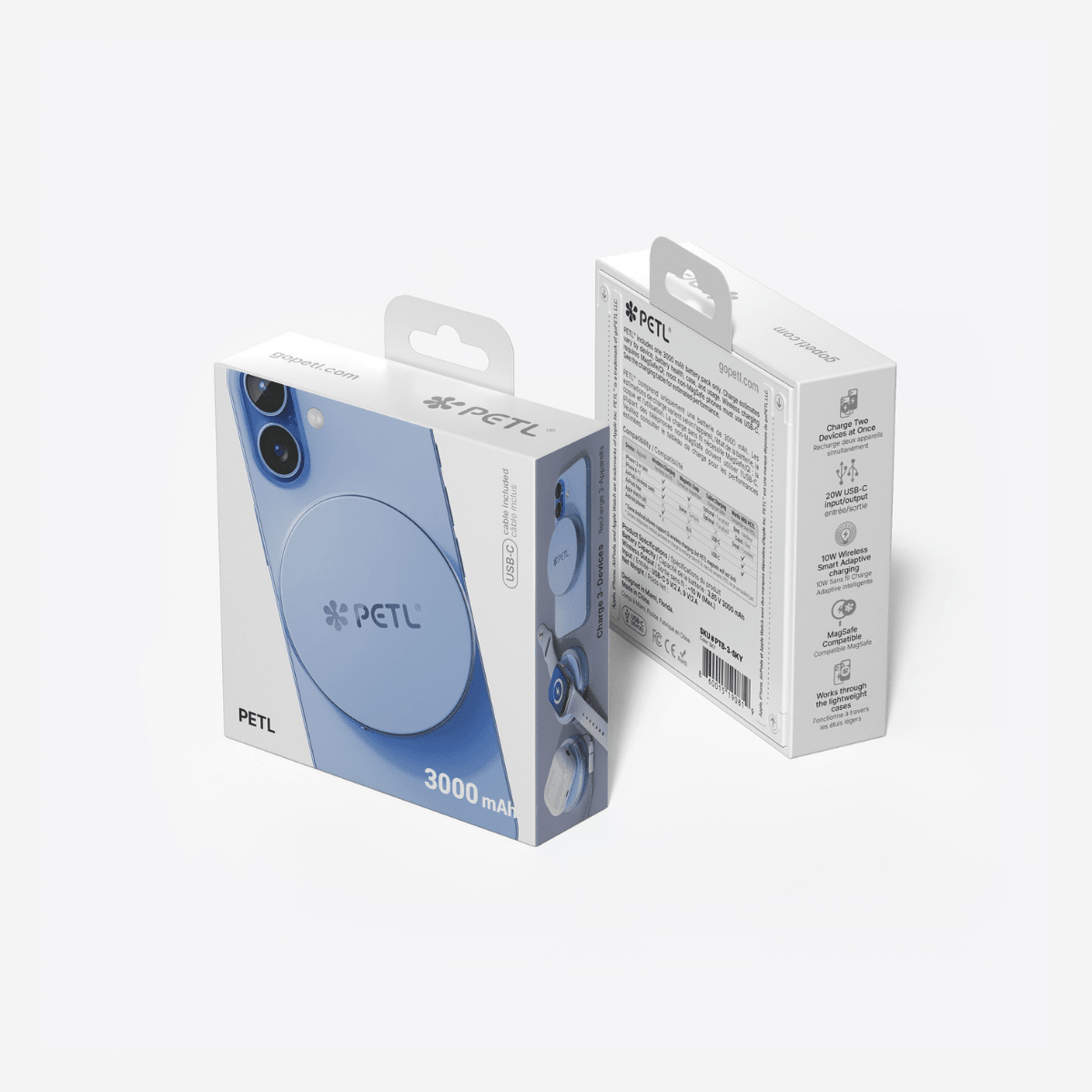
Original PETL — 3,000 mAh, up to 10 extra hours of talk time
The original PETL is rated for up to 10 extra hours of talk time. Talk time is one of the most battery-efficient activities an iPhone performs — screen dim, cellular radio active, little else happening — so it's a useful ceiling for understanding what a pack can sustain.
For typical mixed usage (social media, maps, music, some video), real-world top-up performance across common models looks roughly like this:
- iPhone 12 / 13 (standard): A partial-to-full top-up is very achievable. These models have moderately sized batteries, and the original PETL can comfortably push them from a low-battery warning back to a comfortable working charge.
- iPhone 14 / 15 (standard): Expect a meaningful top-up — enough to add several hours of real-world screen-on time and get you through the rest of your day.
- iPhone 16 (standard): The original PETL delivers a solid partial recharge — ideal for the person who plugs in around lunchtime at 30% and wants to arrive home at 70–80% without touching a wall outlet.
- iPhone 16 Pro / Pro Max: These models carry larger batteries. The original PETL will add meaningful charge — but if you're regularly starting from empty on a Pro Max, the 3,000 mAh original will feel like it's working hard without getting you all the way home. More on that below.
Bottom line for the original PETL: It's a confident daily top-up machine. Snap it on when you're low, let it work passively in your pocket or on your desk, and you'll end the day with charge to spare. It is not designed to take any iPhone from 0% to 100% in a single session — it's designed to make sure you never hit 0% in the first place.
PETL 2 Plus — 5,000 mAh, up to 15 extra hours of talk time
The PETL 2 Plus steps up to 5,000 mAh and is rated for up to 15 extra hours of talk time. That extra capacity is where the math gets genuinely exciting for iPhone users who want more than a top-up.
- iPhone 14 / 15 (standard): A near-full recharge from low is realistic. You can snap on the PETL 2 Plus at 15% and expect to see 90%+ by the time you arrive at your destination.
- iPhone 16 (standard): Independent review data confirms the PETL 2 Plus takes the iPhone 16 Pro to approximately 90% from a depleted state — a data point that's been validated by third-party YouTube reviewers and aligns with the rated capacity. For the standard iPhone 16, a full or near-full recharge is well within reach.
- iPhone 16 Pro: Close to a full recharge on a typical charge cycle — the 5,000 mAh headroom gives you far more buffer than the original.
- iPhone 16 Pro Max: The PETL 2 Plus will deliver a substantial, useful charge — but the Pro Max's large battery means you're looking at a significant partial recharge rather than a full one. We'll be honest about this in a moment.
5,000 mAh vs 3,000 mAh: What Does the Capacity Jump Actually Buy You?
Comparing the PETL 2 Plus vs the original PETL isn't just about numbers on a spec sheet. Here's what that 67% capacity increase translates to in real life:
- One confident near-full recharge vs. a reliable top-up. The original is your safety net; the PETL 2 Plus is your backup battery.
- Longer days without worry. The PETL 2 Plus is rated for up to 15 hours of talk time — five more hours than the original. On a travel day, conference day, or festival day, that margin matters enormously.
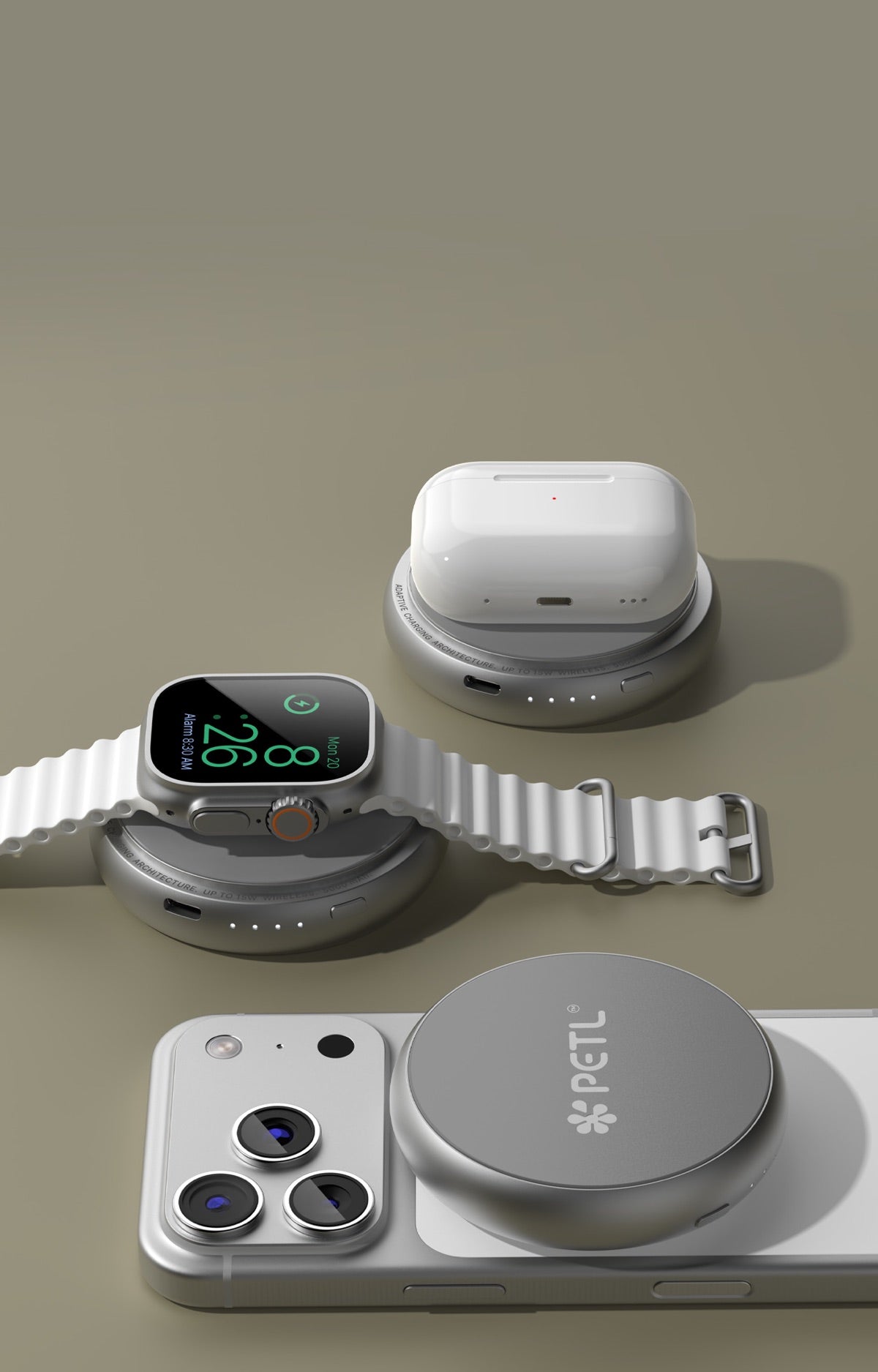
- More headroom for multiple devices. Both PETL models can charge your iPhone, AirPods, and Apple Watch — no cables required. But the PETL 2 Plus gives you enough capacity to top up all three without feeling like you're rationing power.
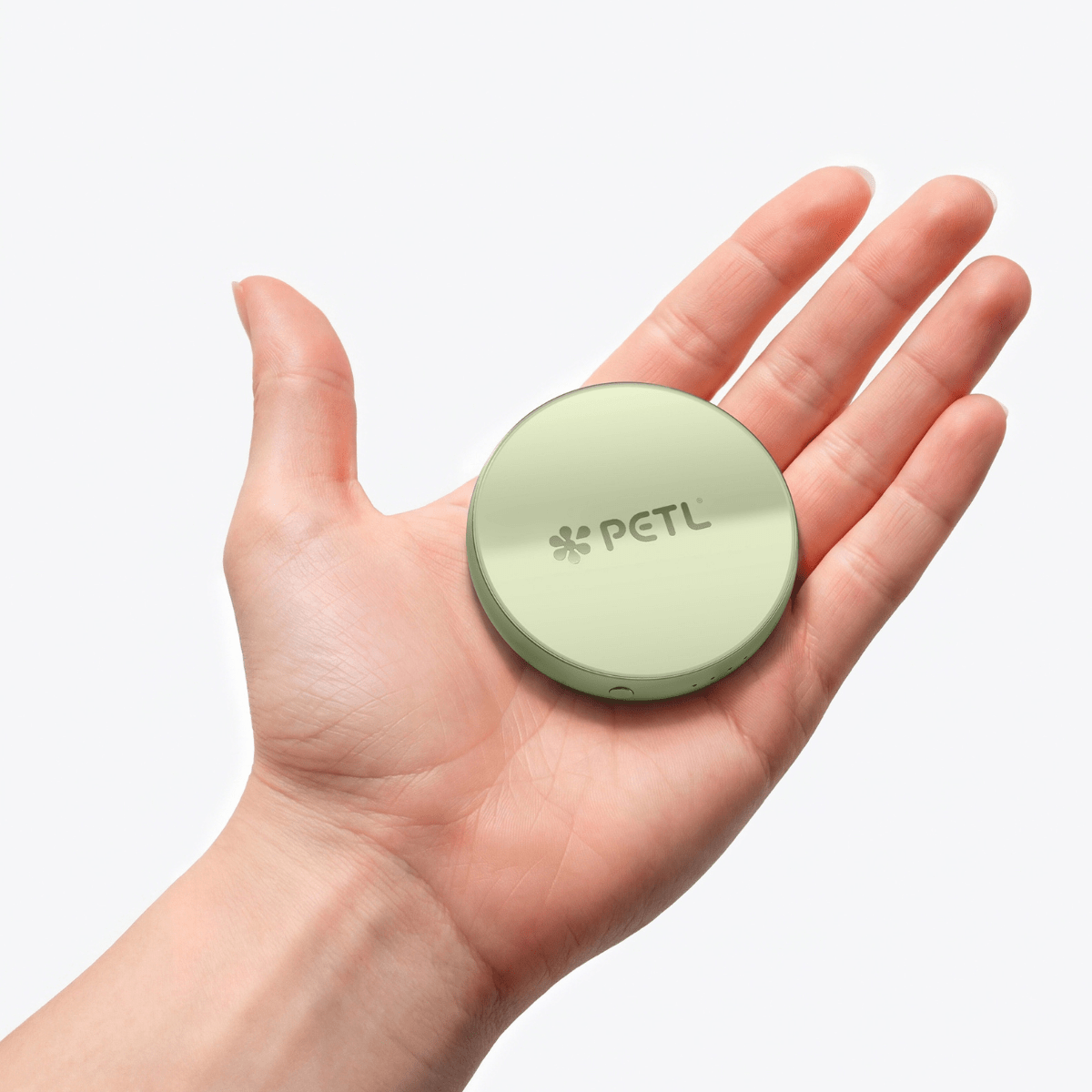
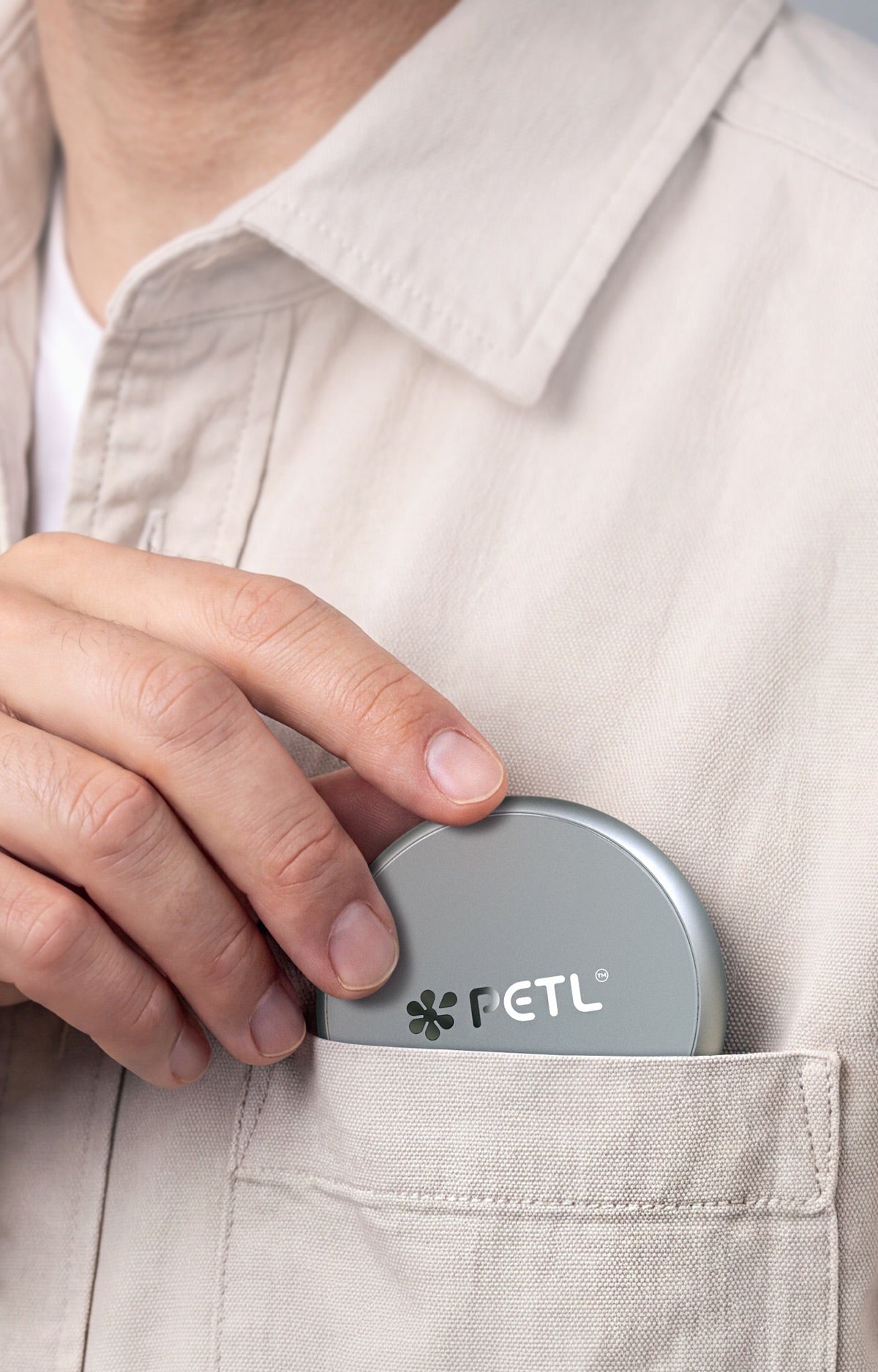
- A slightly larger footprint. The PETL 2 Plus measures 72.5mm wide and 16.2mm thin vs. the original's 70mm wide and 14mm thin. Still absolutely pocketable — still coin-slim by any reasonable standard — but worth knowing before you buy.
PETL 2 Plus vs Original PETL — Which Should I Buy?
Here's the honest buyer's guide, broken down by how you actually use your iPhone.
Buy the original PETL if…
- You charge your phone every night and just need a safety net for the day
- Your typical day is 8–10 hours from outlet to outlet
- You have an iPhone 12, 13, 14, or 15 (standard or Plus) and your battery is in good health
- Ultra-slim daily carry is your top priority — the 14mm profile is thinner and lighter
- You want the most pocketable MagSafe battery pack possible at $64.95
Buy the PETL 2 Plus if…
- You want a near-full recharge, not just a top-up — particularly on iPhone 15 or iPhone 16 models
- You have longer days away from power: travel, outdoor events, conferences, long commutes
- You want to comfortably top up your iPhone, Apple Watch, and AirPods in a single outing
- You have an iPhone 16 Pro and want to reliably get back to ~90% (as confirmed by independent reviewers)
- You're willing to pay a bit more — priced at $89.95 — for meaningfully more capacity in a pack that's still genuinely pocketable
Neither PETL is right for you if…
Let's be direct. If you carry an iPhone 16 Pro Max, run it hard all day, and need a full top-up from empty every evening — PETL isn't your answer. A 10,000 mAh rectangular brick carried in a backpack will deliver more raw capacity, and you should buy that instead. PETL is designed for people who value the intersection of design, portability, and confident daily power. It is not designed to be the biggest pack in the room, and that's entirely intentional.
Similarly, if you're comparing a 5,000 mAh vs 10,000 mAh power bank for multi-day travel or charging multiple people's devices — go with the 10,000 mAh. PETL's sweet spot is the individual iPhone user who refuses to compromise on carry comfort.

A Note on PETL 2 Plus Pricing — Let's Clear Up the Confusion
You may have seen the PETL 2 Plus listed at different prices across the web — $74.99, $79.95, $89.95. This inconsistency is real, and it's worth addressing directly. Some of those figures reflect testing variants or promotional listings; the current retail price for the PETL 2 Plus is $89.95, which you can confirm on gopetl.com. The storefront always reflects the live price, so that's your canonical source. Orders over $129 qualify for complimentary FedEx 2Day Air shipping — see the full shipping policy on gopetl.com for details.
What Makes PETL Different From Every Other Power Bank in This Category
Capacity comparisons only tell part of the story. PETL's circular design isn't aesthetic novelty — it's a fundamentally different product philosophy.
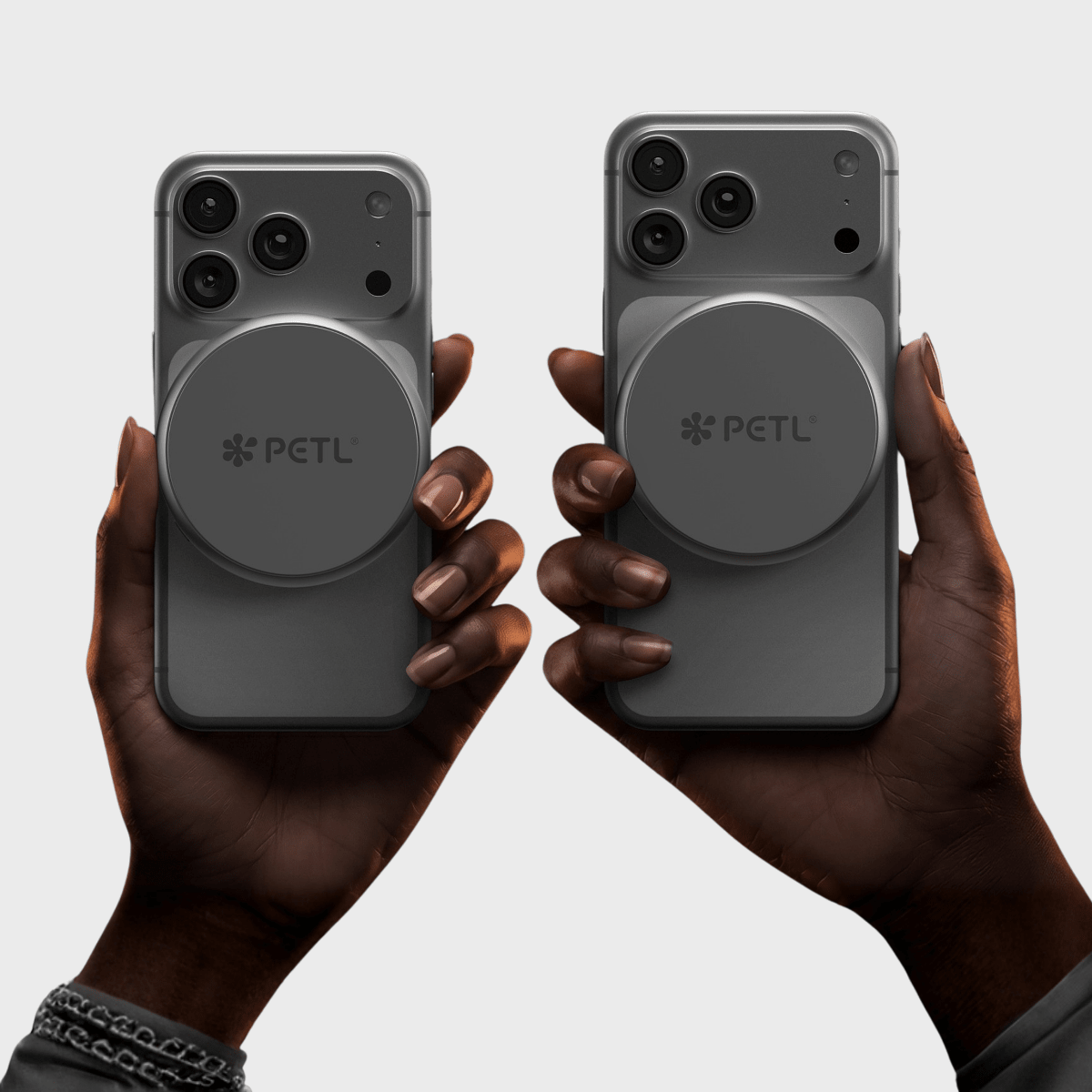
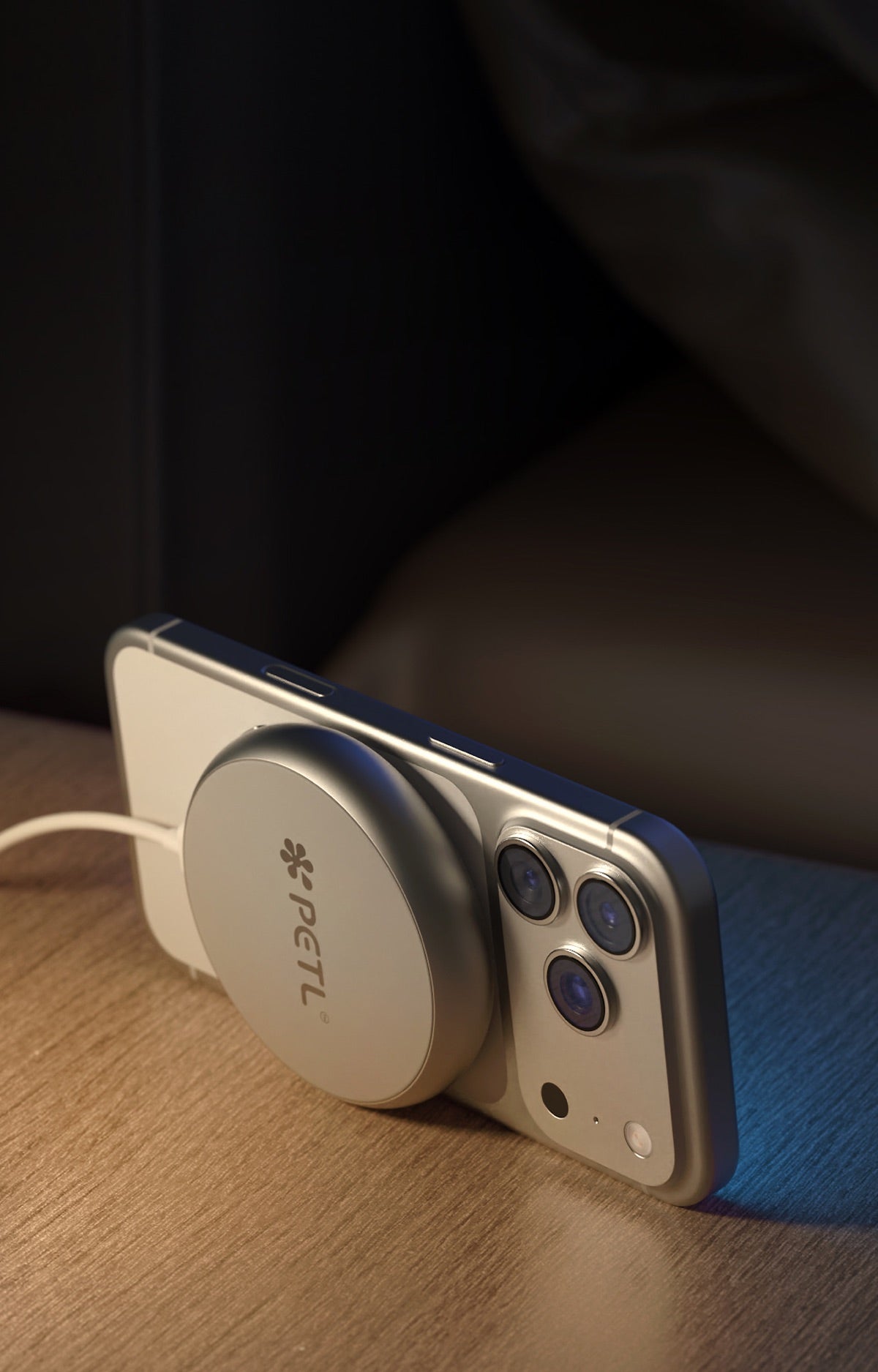
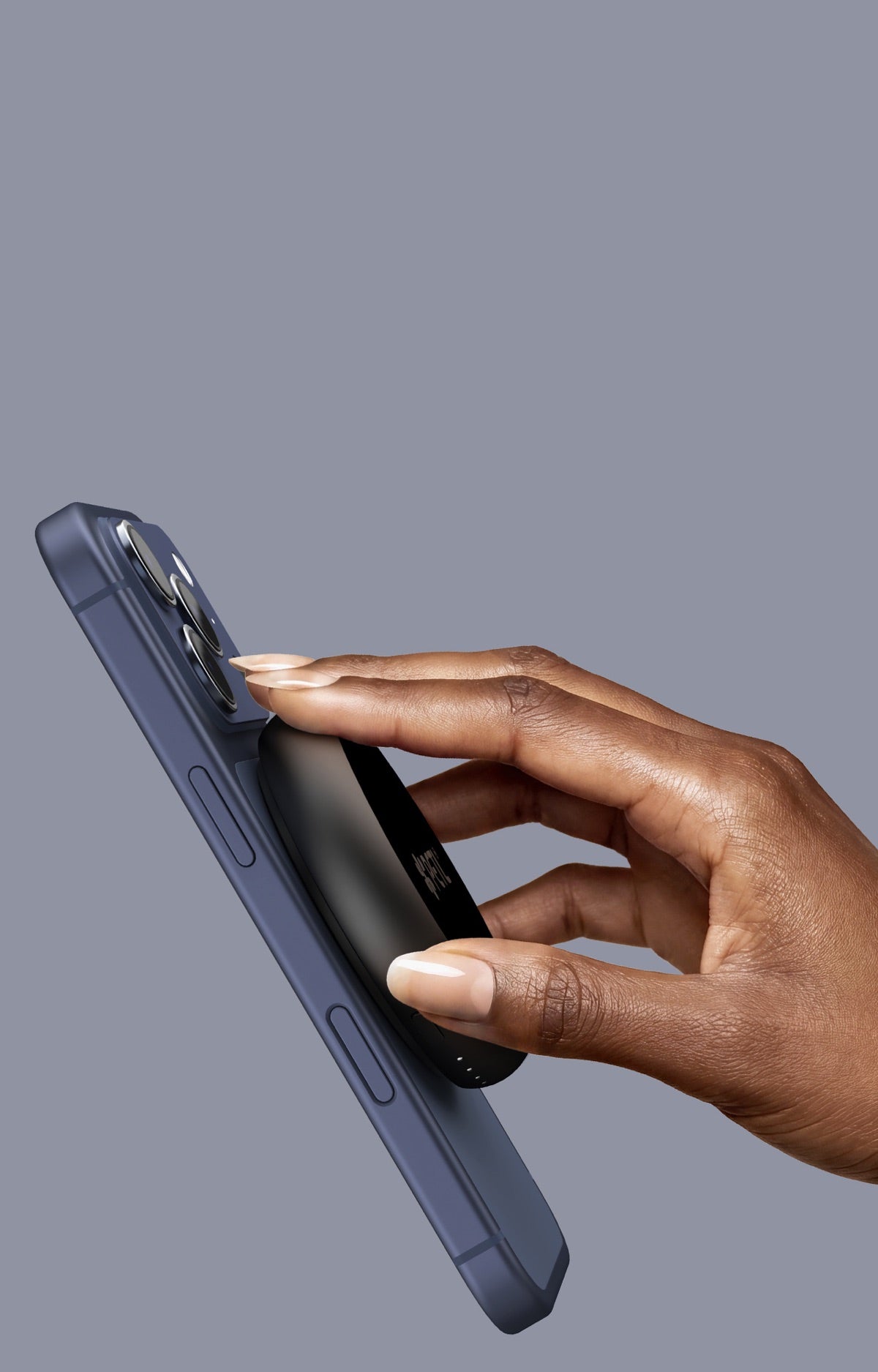
- Nothing else looks like it. The disc shape mirrors the MagSafe charging ring and sits flush, centered, and balanced on the back of your iPhone — no awkward overhang, no wobble on a table.
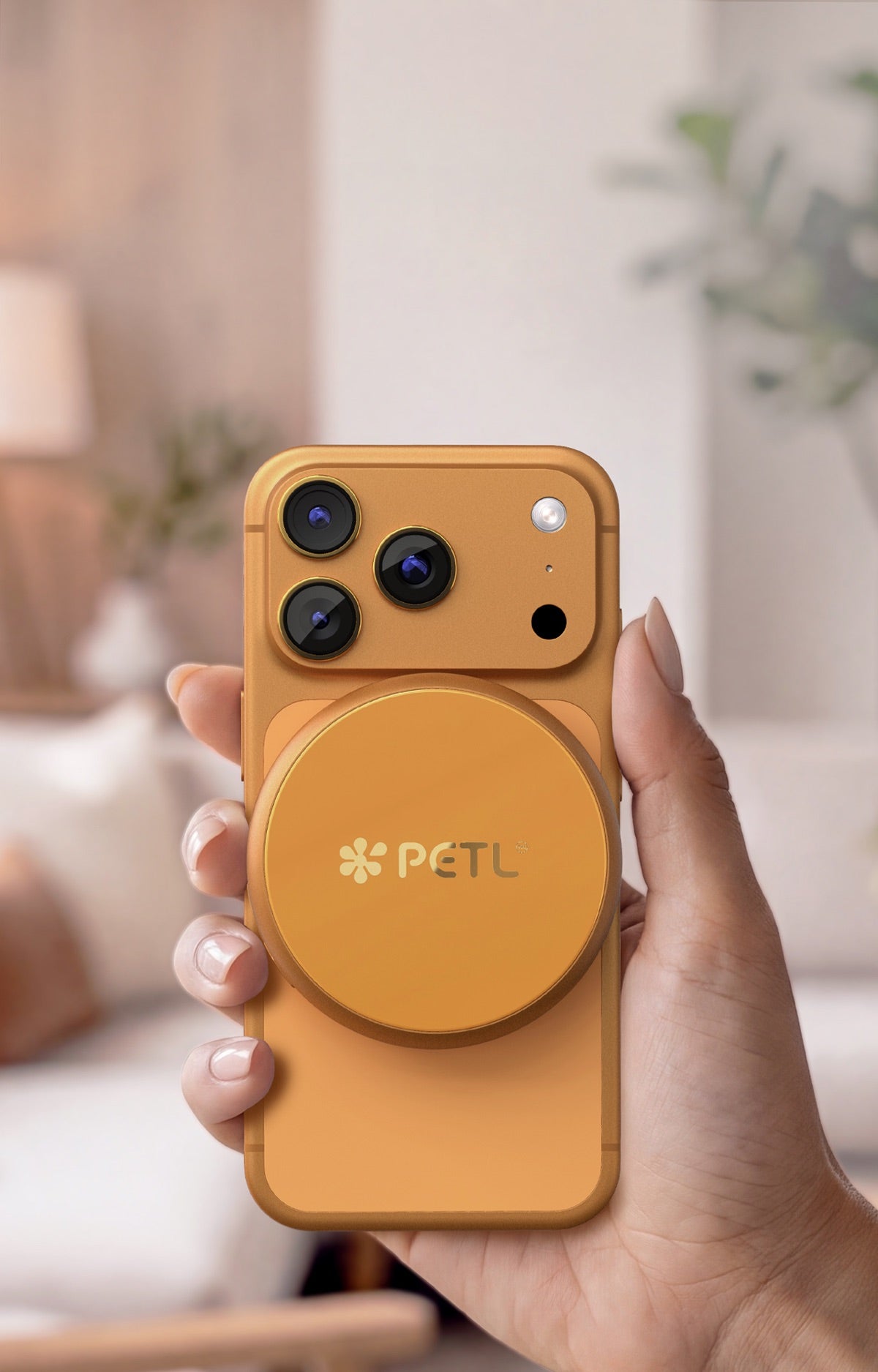
- CNC-machined aluminum and tempered glass. This is a product you choose to carry, not one you tolerate. It's available in finishes like Natural, Black, Blush Gold, Sahara Gold, Lavender, Sky, Sage, Slate, Space Black, and Cosmic Orange — designed to complement your iPhone, not clash with it.
- One pack, three Apple devices. iPhone, Apple Watch, AirPods — all wirelessly, with no cables, no setup, no apps. It replaces an entire bag of chargers.
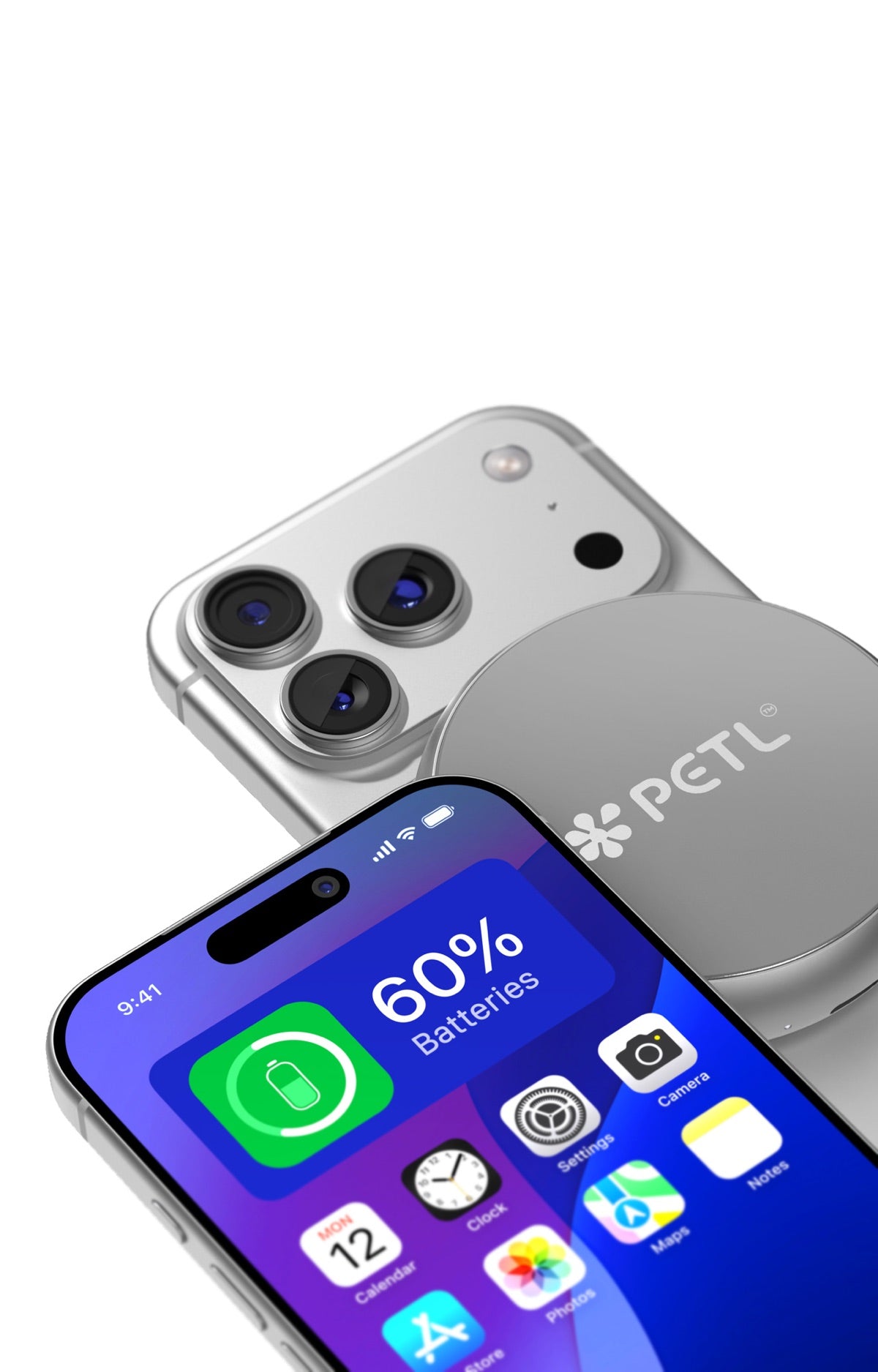
- Native iOS battery widget. Your iPhone recognizes PETL and displays its charge level in the battery widget automatically. No companion app. No button-press guessing.
- N52 neodymium magnets. The strongest grade of permanent magnets widely used in consumer electronics — PETL snaps on firmly and stays put, even in a pocket.
5,000 mAh vs 10,000 mAh: One More Comparison Worth Making
If you're searching "5,000 mAh vs 10,000 mAh power bank" and landed here, here's the concise answer: for a single iPhone user on a single day, 5,000 mAh is almost always enough. After accounting for wireless charging efficiency losses (typically 70–80%), a 5,000 mAh pack like the PETL 2 Plus delivers roughly one full wireless recharge — which covers the vast majority of real-world use cases. A 10,000 mAh pack delivers roughly two, but at the cost of significantly more bulk, weight, and a longer self-recharge time overnight. The PETL 2 Plus hits the sweet spot: real capacity, real portability, real design.
The Verdict: Match the Pack to Your Day, Not Your Anxiety
The anxiety around 3,000 mAh is understandable — the number sounds small in a world of 10,000 mAh bricks. But for most iPhone users, most days, the original PETL's 3,000 mAh is genuinely right-sized. It's the pack that disappears into your pocket, snaps on silently at your desk, and makes sure you never see a low-battery warning.
Step up to the PETL 2 Plus when you want a near-full recharge in your pocket — a 5,000 mAh disc that's been confirmed to take an iPhone 16 Pro to ~90%, fits in jeans, and still charges your Apple Watch and AirPods with capacity to spare.
Pick the one that matches your day. Both are priced, sized, and designed to be the power pack you actually carry — not the one that stays on your desk because it's too much trouble to bring along.
Frequently asked questions
Is 3,000 mAh enough for an iPhone?
For most iPhone users on a typical workday, yes — 3,000 mAh is enough for a confident daily top-up. The original PETL is rated for up to 10 extra hours of talk time, which translates to pushing an iPhone 16 from a low-battery warning back to a comfortable working charge. It's designed for top-ups, not full recharges from zero; if you need a near-full recharge, the 5,000 mAh PETL 2 Plus is the better choice.
PETL 2 Plus vs original PETL — which should I buy?
Buy the original PETL (3,000 mAh, priced at $64.95) if you charge overnight and just need a reliable daily safety net — ideal for iPhone 12 through 16 standard users with normal usage patterns. Buy the PETL 2 Plus (5,000 mAh, priced at $89.95) if you want a near-full recharge, have longer days away from power, own an iPhone 16 Pro, or want enough capacity to comfortably top up your iPhone, Apple Watch, and AirPods in one outing.
How many charges does the PETL 2 Plus give an iPhone 16?
The PETL 2 Plus is rated for up to 15 extra hours of talk time and 5,000 mAh of capacity. Independent reviewers have confirmed it takes an iPhone 16 Pro to approximately 90% from a depleted state. For the standard iPhone 16, a near-full or full recharge is achievable in a single session, making it the right choice for users who want more than a top-up.
What is the difference between 5,000 mAh and 3,000 mAh power banks?
A 5,000 mAh pack delivers roughly 67% more raw capacity than a 3,000 mAh pack. In real-world wireless charging, after accounting for inductive efficiency losses (typically 70–80%), a 3,000 mAh pack is ideal for daily top-ups and partial recharges, while a 5,000 mAh pack can deliver a near-full recharge for most current iPhone models. The trade-off is that a 5,000 mAh pack is slightly larger and heavier — though the PETL 2 Plus (72.5mm wide, 16.2mm thin) remains genuinely pocketable.
Is the PETL 2 Plus good for iPhone 16 Pro?
Yes. Independent YouTube reviewers have confirmed that the PETL 2 Plus takes the iPhone 16 Pro to approximately 90% from a near-empty state — making it one of the most capable pocket-sized MagSafe battery packs for that model. It's also compatible with Apple Watch and AirPods, charges wirelessly at up to 15W, and shows up in the native iOS battery widget with no app required.
Should I buy a 5,000 mAh or 10,000 mAh power bank?
For a single iPhone user on a single day, 5,000 mAh is almost always enough — it delivers roughly one full wireless recharge after accounting for inductive efficiency losses. A 10,000 mAh pack makes sense for multi-day travel, heavy multi-device use, or if you want to charge multiple people's phones. The trade-off is significantly more bulk, weight, and a longer self-recharge time. If you want maximum portability without sacrificing meaningful capacity, a 5,000 mAh MagSafe pack like the PETL 2 Plus is the sweet spot.

Share:
Is 3,000 mAh Enough? How to Pick the Right PETL Size
Best Slim MagSafe Battery Pack for iPhone 16 (2026)