


TL;DR: For everyday carry, a circular MagSafe battery pack snaps flush with your iPhone's charging coil, adds less perceived bulk than any rectangular slab, and disappears into a jeans pocket alongside your phone. The disc geometry isn't a style gimmick — it's a functional match to the shape of MagSafe itself. If you want a charger that feels like an intentional accessory rather than a gadget you tolerate, the round form factor wins. If raw maximum capacity is your only metric and you carry a backpack everywhere, a rectangular brick may still be your answer — and this article is honest about that too.

Why Shape Matters More Than You Think for MagSafe EDC
Open any editorial EDC roundup — Macworld, CNN Underscored, 9to5Mac — and you'll find the same shortlist of rectangular MagSafe battery packs. The evaluation criteria are almost always the same: mAh, price, and charging speed. Shape is treated as an aesthetic afterthought.
That framing misses something important. A MagSafe battery pack isn't just a reservoir you carry separately and plug in at the end of the day. At its best, it's something you attach to your iPhone and forget about — snapping on when you need it, riding along without snagging your pocket, and coming off cleanly when you don't. For that use case, the geometry of the pack matters as much as its capacity.
The MagSafe charging area on every iPhone 12 through iPhone 16 is a circle. The alignment magnets form a ring. The wireless charging coil underneath is circular. So why does almost every portable MagSafe battery pack ship as a rectangle?
Mostly: manufacturing convention. Rectangles are easier to design around, easier to stack in packaging, and easier to benchmark against competitors on a spec sheet. They are not, however, necessarily better for the way people actually carry their phones.
What Is a Circular MagSafe Battery Pack?
A circular MagSafe battery pack — sometimes called a round power bank, disc charger, or circle charger for iPhone — is a battery pack engineered in a disc form factor that matches the circular footprint of the MagSafe standard. It uses the same ring of neodymium magnets to snap to the back of a compatible iPhone and deliver wireless power with no cables required.
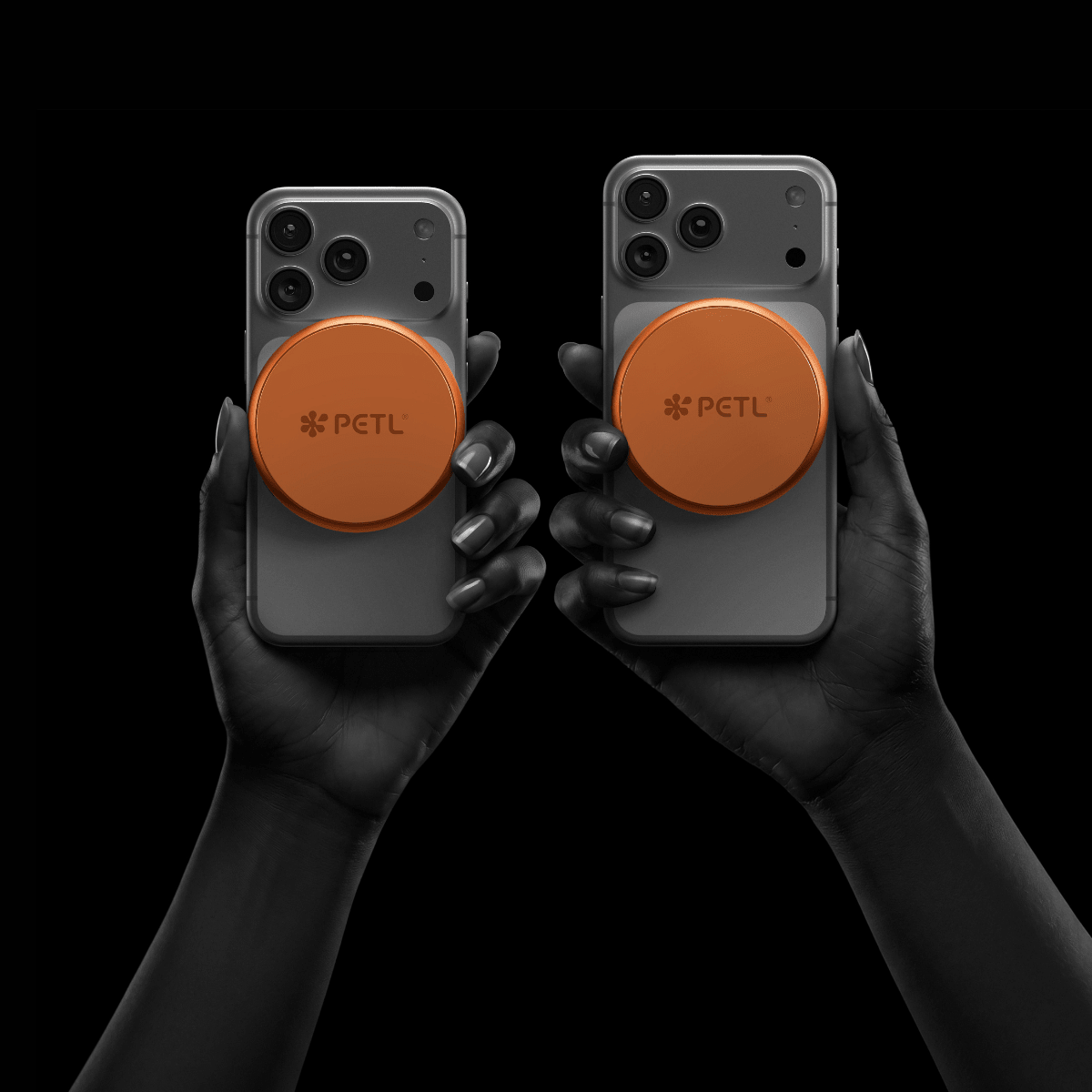
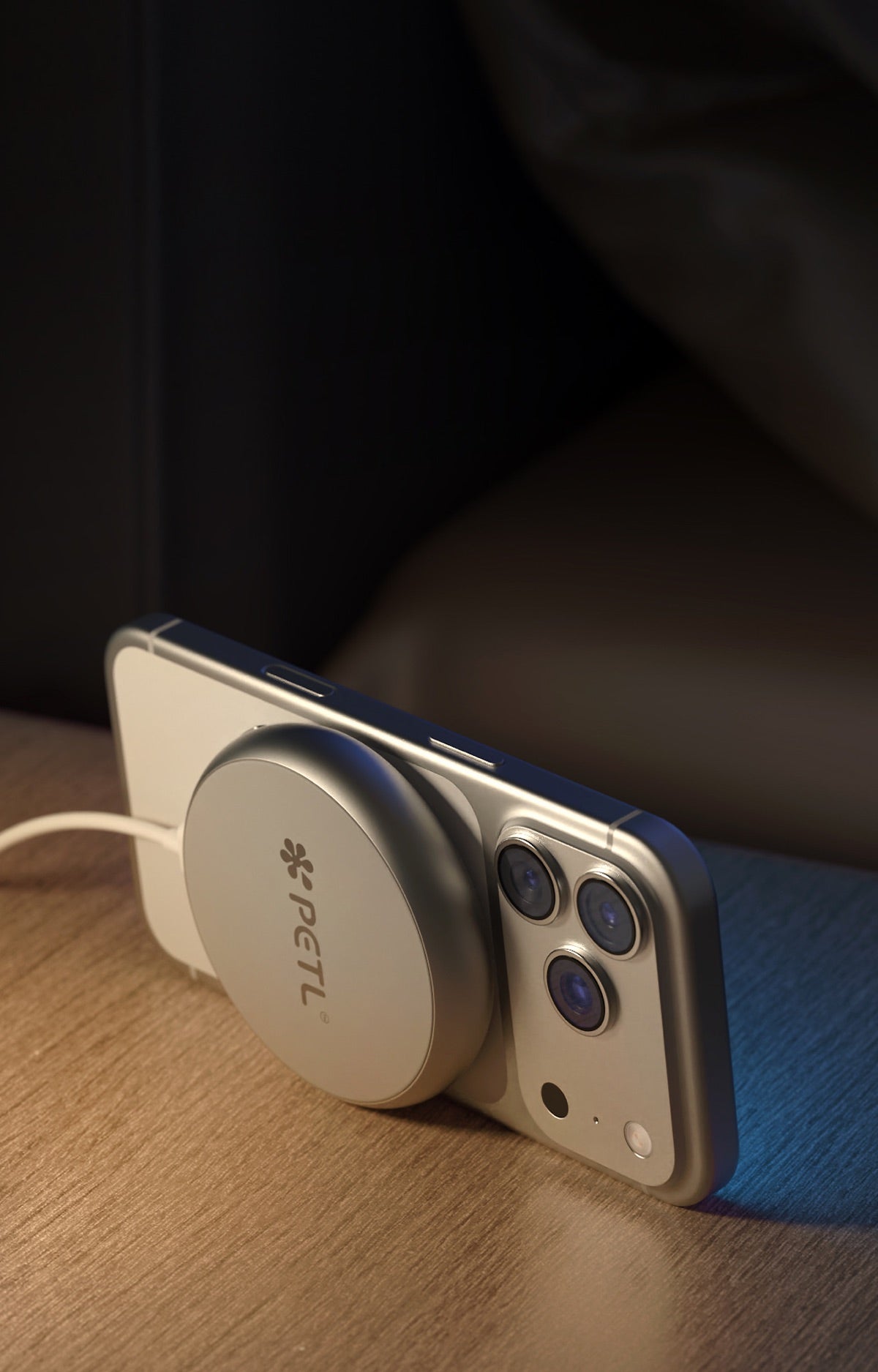
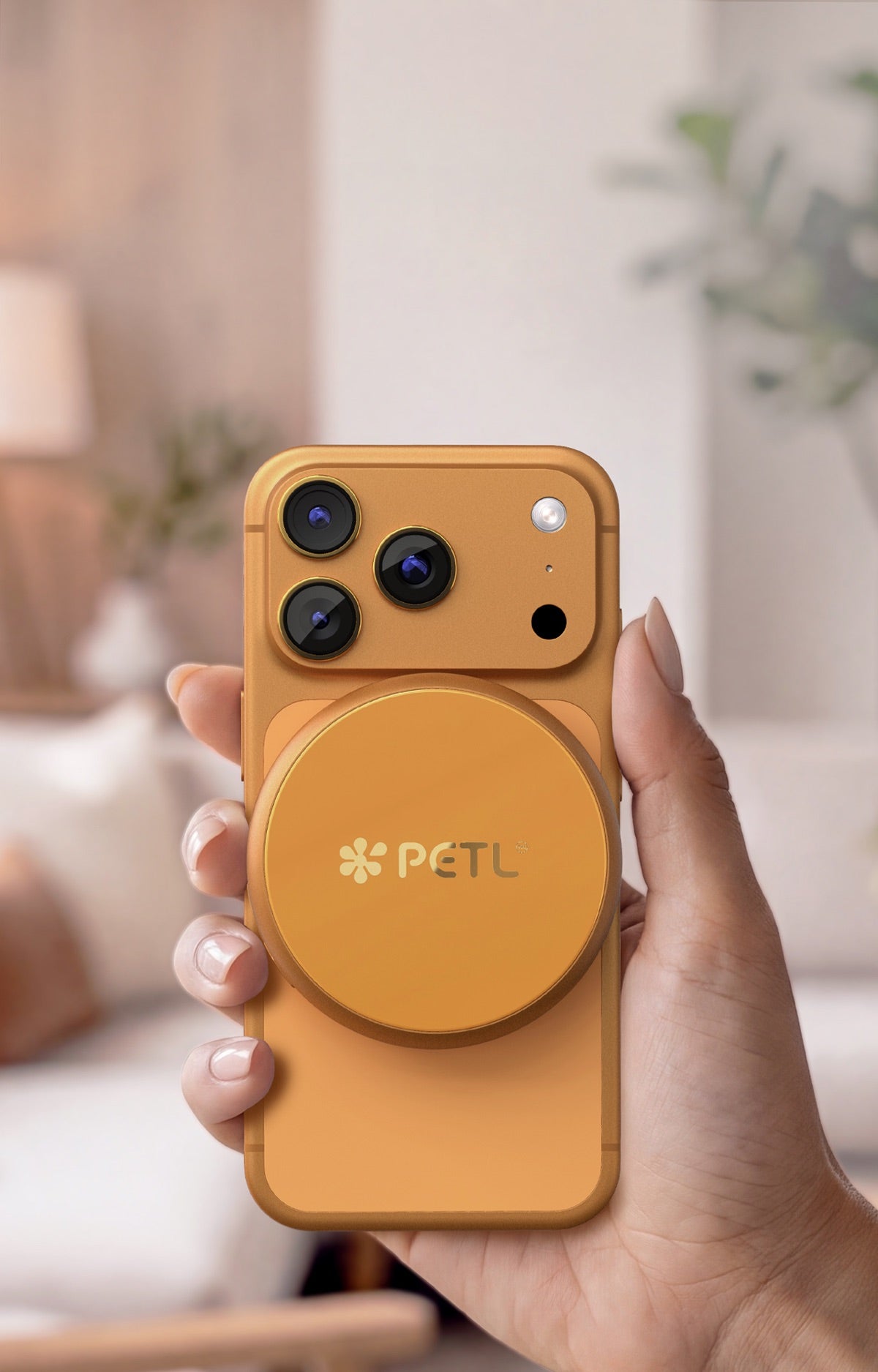
The key distinction from rectangular packs is geometric: the disc sits within — rather than overhanging — the natural silhouette of your iPhone. There are no corners protruding beyond the phone's edges when the pack is attached. The result is a combined profile that is recognizably phone-shaped, not phone-plus-rectangle-shaped.
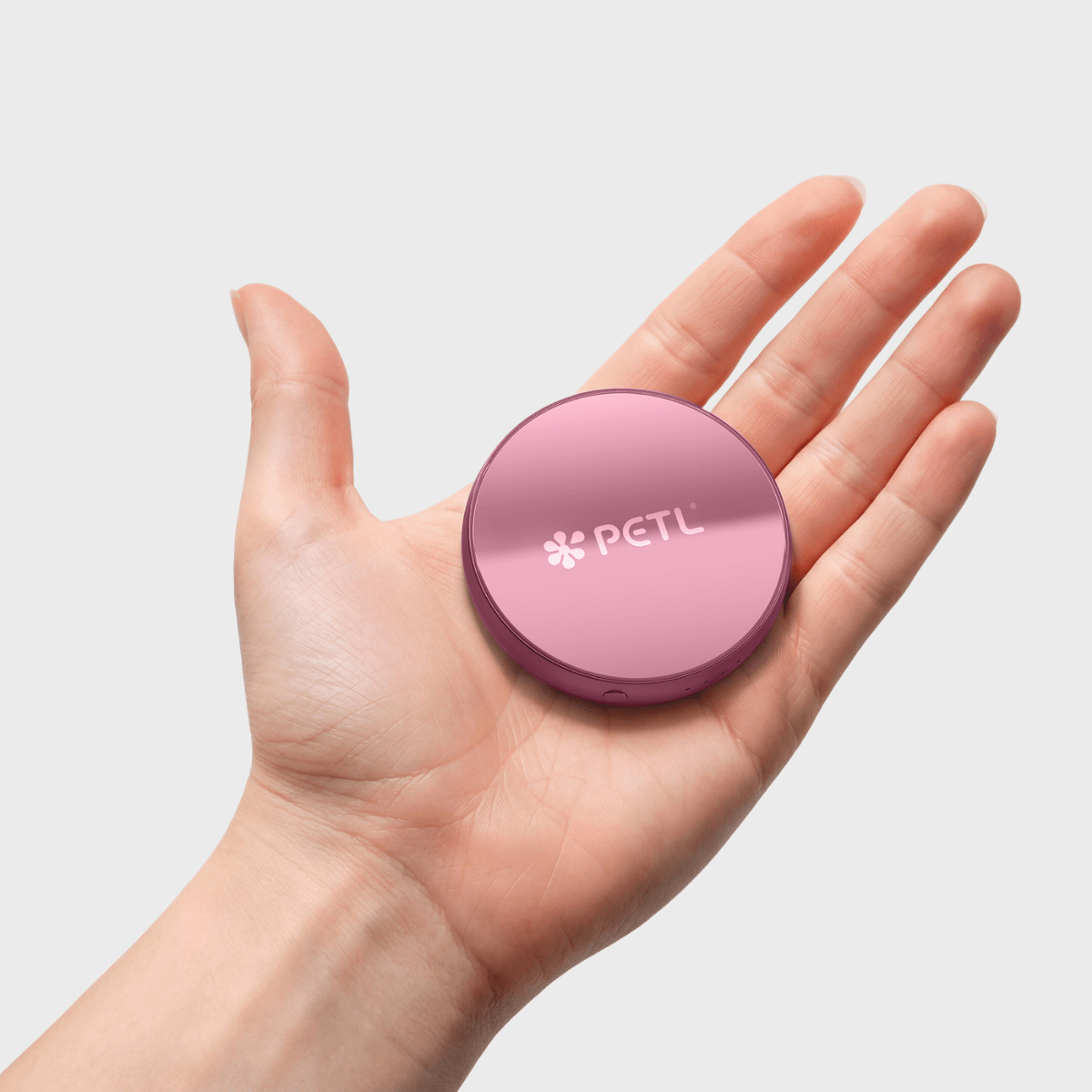
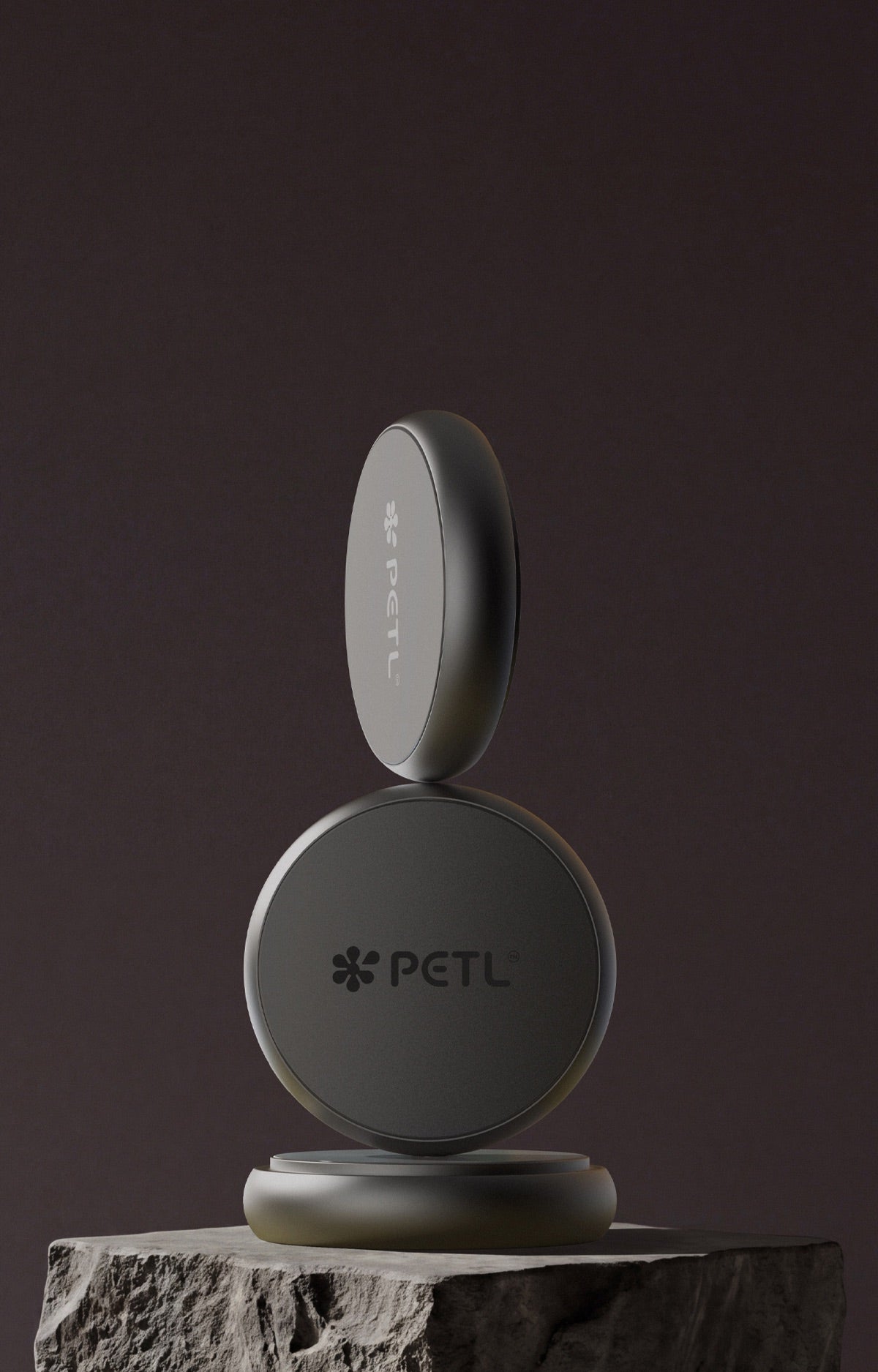
PETL makes the only purpose-built circular MagSafe-compatible battery pack on the market. The original PETL measures 70mm wide and 14mm thin; the PETL 2 Plus steps up to 72.5mm wide and 16.2mm thin. Both are CNC-machined aluminum with a tempered glass top and N52 neodymium magnets.
Circular vs Rectangular MagSafe Battery Pack: The Honest Comparison
Pocket Feel: The Geometry Advantage
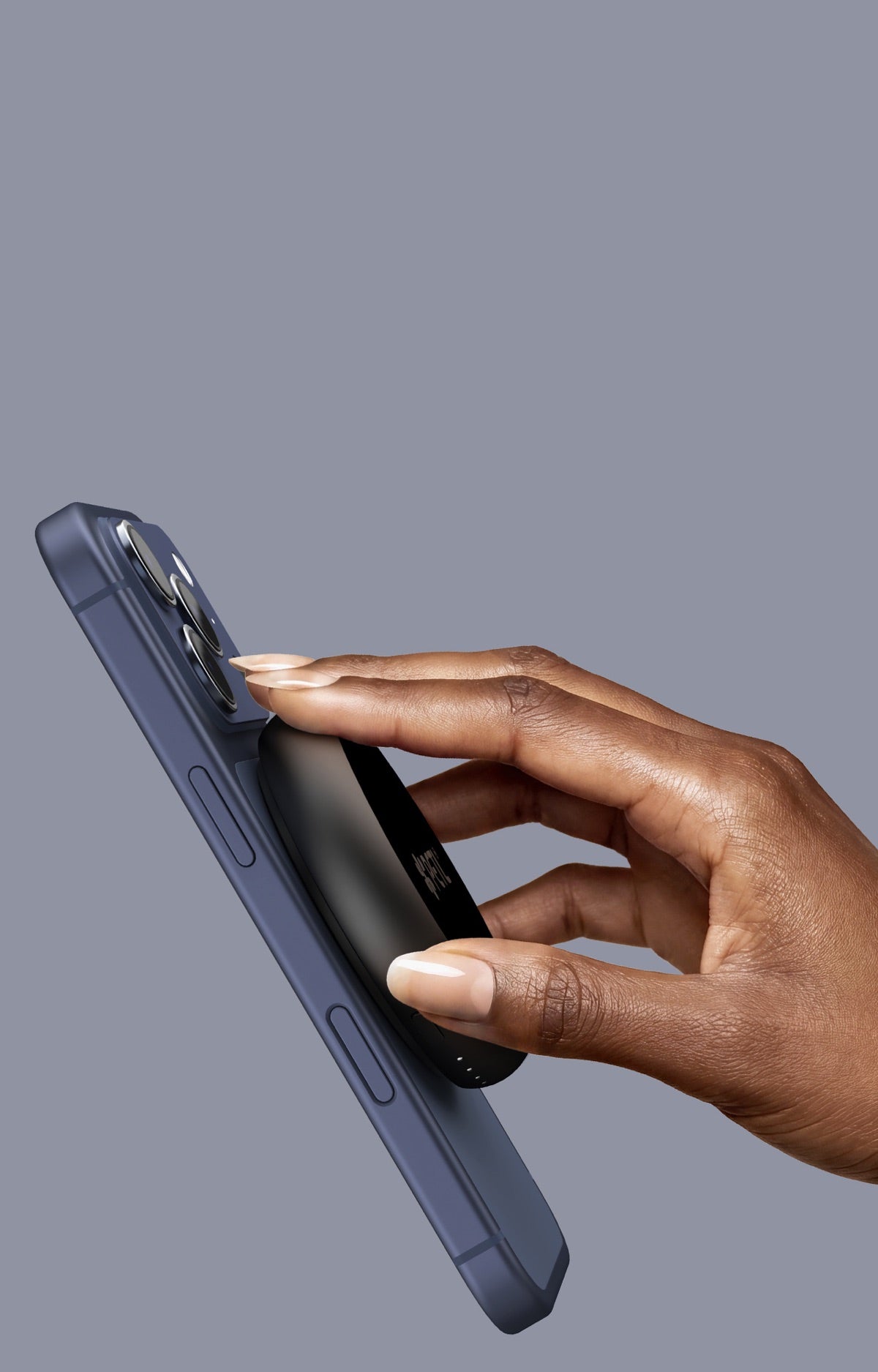
Here's the argument that rectangular-pack reviews rarely make, because it's experiential rather than numerical: when you slide a phone into a jeans pocket, the friction points are the corners. Rectangular packs attached to the back of your iPhone add four new corners — edges that catch on pocket fabric, create pressure points against your leg, and make the whole stack feel dramatically bulkier than the combined thickness would suggest.
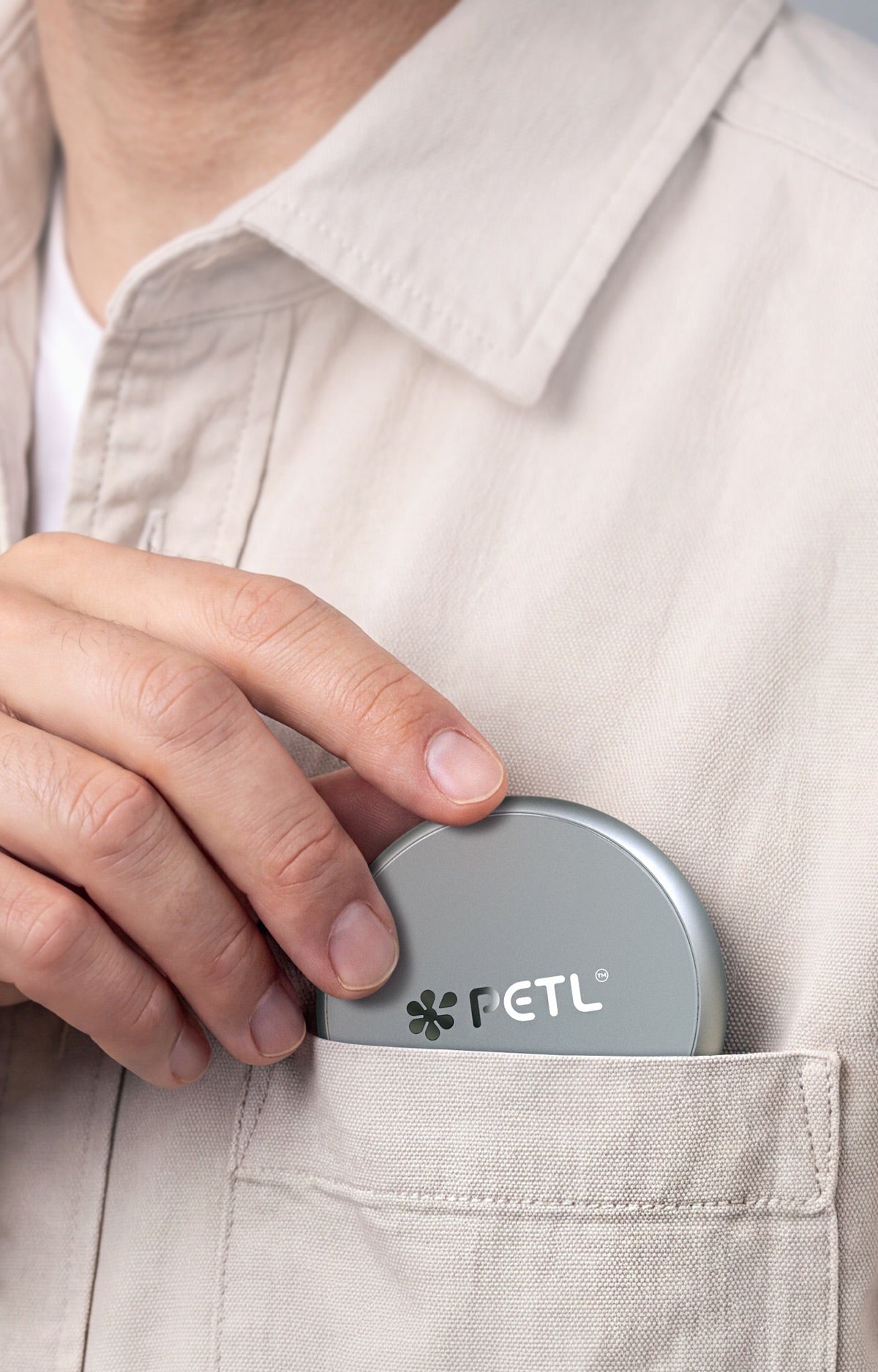
A disc has no corners. It slides into a pocket as a smooth, unified shape. The perceived bulk — what your hand and your leg actually register — is significantly lower, even if a caliper shows a slightly thicker measurement at the center point.
This matters for everyday carry specifically because EDC is about frictionless habit. If reaching into your pocket feels awkward, you leave the pack at your desk. If it disappears, you take it everywhere.
Where Rectangular Packs Win: Raw Thinness
It would be dishonest to ignore the spec sheet. Some of the thinnest rectangular MagSafe battery packs on the market — including options like the BMX SolidSafe Air and the Baseus PicoGo — achieve profile measurements in the 7–8mm range at their thinnest point. Both are genuinely thinner than PETL's 14mm (original) or 16.2mm (PETL 2 Plus) at the center.
If your singular priority is the lowest possible caliper reading and you don't mind rectangular corners in your pocket, those ultra-slim rectangular packs deserve consideration. They are real products with real engineering behind them.
The honest counter: thinness at the center of a rectangle doesn't eliminate the corner problem. A 7mm-thin rectangular pack still adds four corners to your iPhone. Whether that trade-off makes sense depends on how you carry your phone — and how much you care about the feel versus the spec.
Coil Alignment: Why the Circle Runs Cleaner
Wireless charging efficiency is directly tied to coil alignment. When the charging coil in the battery pack and the receiving coil in your iPhone are off-center, inductive efficiency drops — and the energy lost to misalignment becomes heat. That heat slows charging, can trigger iPhone's thermal throttling, and over time stresses both the pack and the phone's battery.
A circular pack centered on the back of a circular MagSafe footprint is geometrically predisposed to better alignment. The disc naturally self-centers. A rectangular pack, by contrast, has no visual or physical cue about whether its internal coil (which is still circular) is properly centered — the rectangular housing actively obscures alignment feedback.
PETL's N52 neodymium magnets are strong enough to snap the pack flush and hold it there through normal movement, reducing the chance of drift-induced misalignment during charging.
Aesthetics and the "Gadget You Tolerate" Problem
This one is subjective — but it's worth saying plainly. Most rectangular MagSafe battery packs look like utilitarian tech accessories. They're fine. They get the job done. But they signal "I forgot to charge my phone" rather than "I chose this."
PETL's circular design in CNC-machined anodized aluminum with a tempered glass top reads differently. It looks like something you selected deliberately — a disc that complements the back of an iPhone the way a watch complements a wrist. Available in finishes like Natural, Black, Blush Gold, Sahara Gold, Lavender, Sky, Sage, Slate, Space Black, and Cosmic Orange, it's a charger with an aesthetic point of view.
For everyday carry, that matters. You're more likely to use what you're proud to carry.

PETL's Two Sizes: Who Each One Is For (and Who It Isn't)
PETL offers two circular MagSafe battery packs, and it's worth being direct about what each one does and doesn't do.
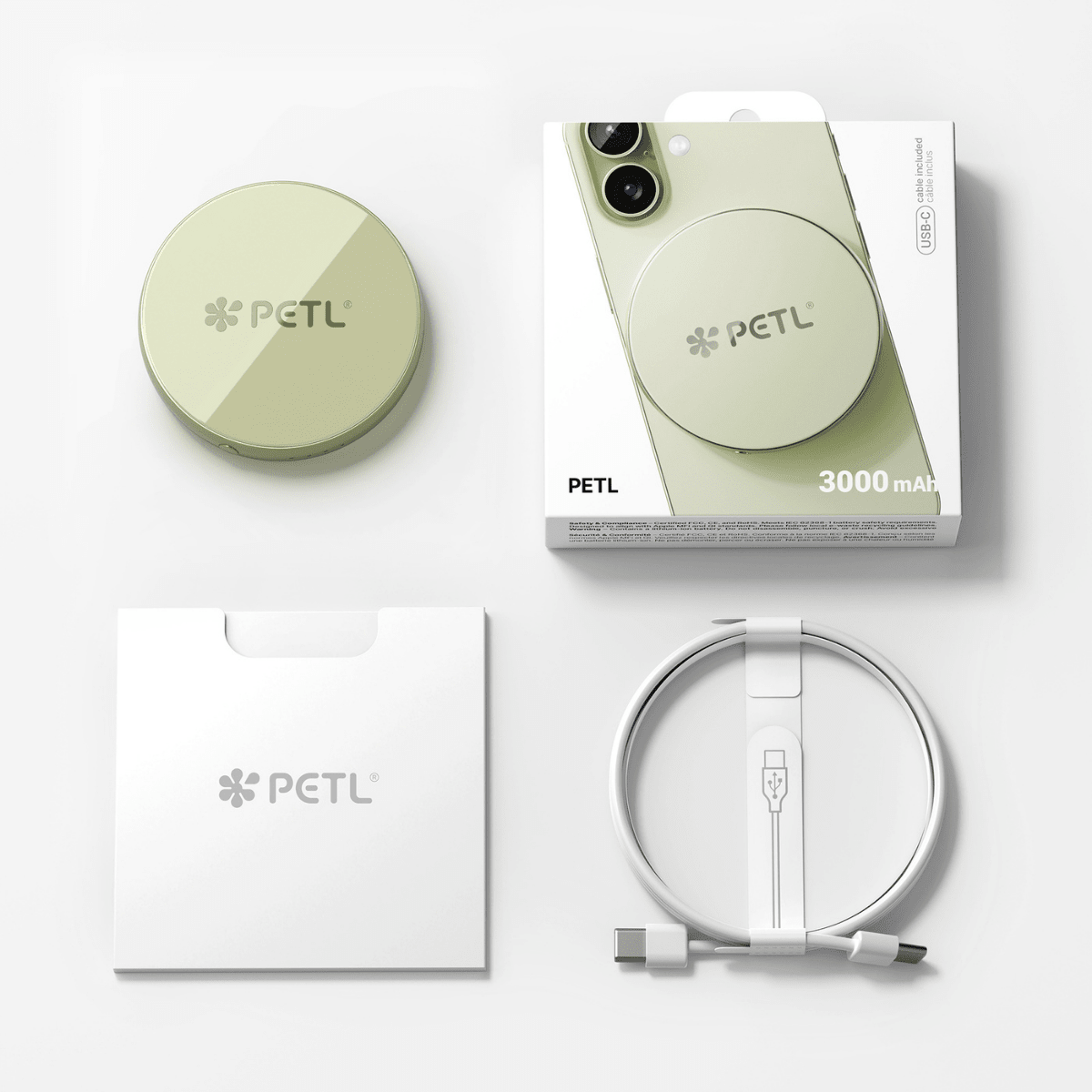
Original PETL — 3,000 mAh, priced at $64.95
The 3,000 mAh original PETL is built for confident top-ups throughout the day — the kind of insurance that takes you from 20% to comfortably above 80% and keeps you going. At 70mm wide and 14mm thin, it's the more pocketable of the two. It supports Qi wireless charging for iPhone, Apple Watch, and AirPods, plus USB-C passthrough, and appears natively in the iOS battery widget with no app required.
Best for: Daily commuters, office workers, light-to-moderate iPhone users, and anyone who reliably charges overnight and needs a single confident boost during the day. The circular form factor shines most here — coin-slim enough to forget it's in your pocket.
Not for: Power users who run their phone hard all day, people who regularly forget to recharge their pack overnight, or anyone who needs to top up multiple devices on a long travel day without access to an outlet. For those users, the PETL 2 Plus or a higher-capacity rectangular pack will serve better.
Editorial EDC roundups often cite 5,000 mAh as the sweet spot for MagSafe battery packs, and that framing is fair — if your use case demands near-full recharges. The 3,000 mAh original PETL is deliberately right-sized for the top-up use case, which represents the majority of daily carry needs. Know which user you are.
PETL 2 Plus — 5,000 mAh, priced at $89.95
The PETL 2 Plus steps up to 5,000 mAh in a 72.5mm-wide, 16.2mm-thin disc — still unmistakably circular, still pocketable, but with enough capacity for a near-full iPhone recharge plus reserve for AirPods or Apple Watch. It adds up to 15 extra hours of talk time and supports 15W Qi wireless plus USB-C passthrough. Like the original, it shows battery status natively in the iOS widget.
Best for: Heavier iPhone users, travel days, weekend trips, or anyone who has felt the pinch of a 3K pack on a long day out. The 2 Plus hits the 5,000 mAh sweet spot that EDC roundups recommend — in a circular package.
Not for: Ultra-minimalists for whom every millimeter of thickness counts, or users who genuinely only need a quick daily boost. The original PETL remains the more pocketable option if you're optimizing for the thinnest possible carry.
One Disc to Charge All Three: iPhone, Apple Watch, and AirPods
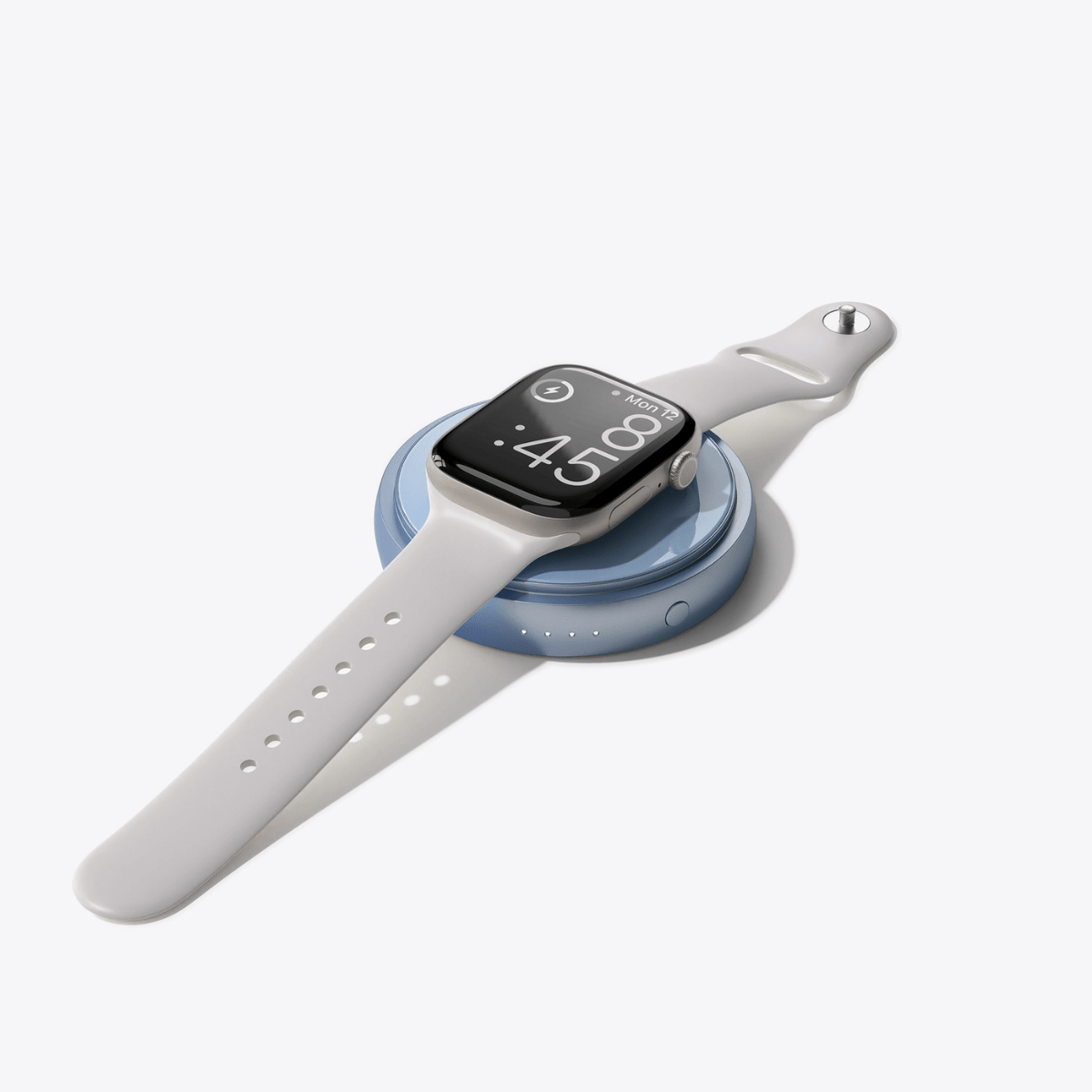
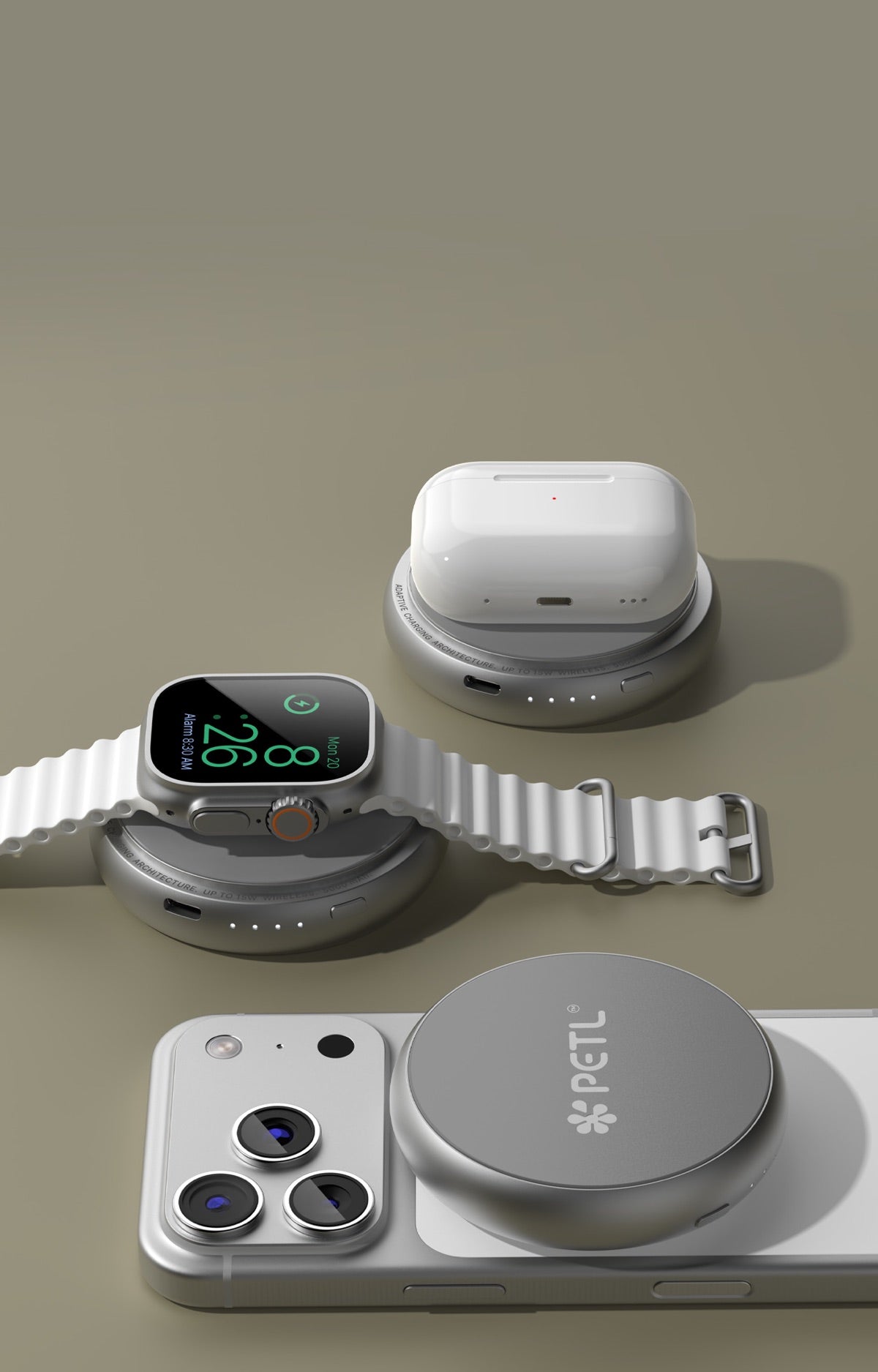
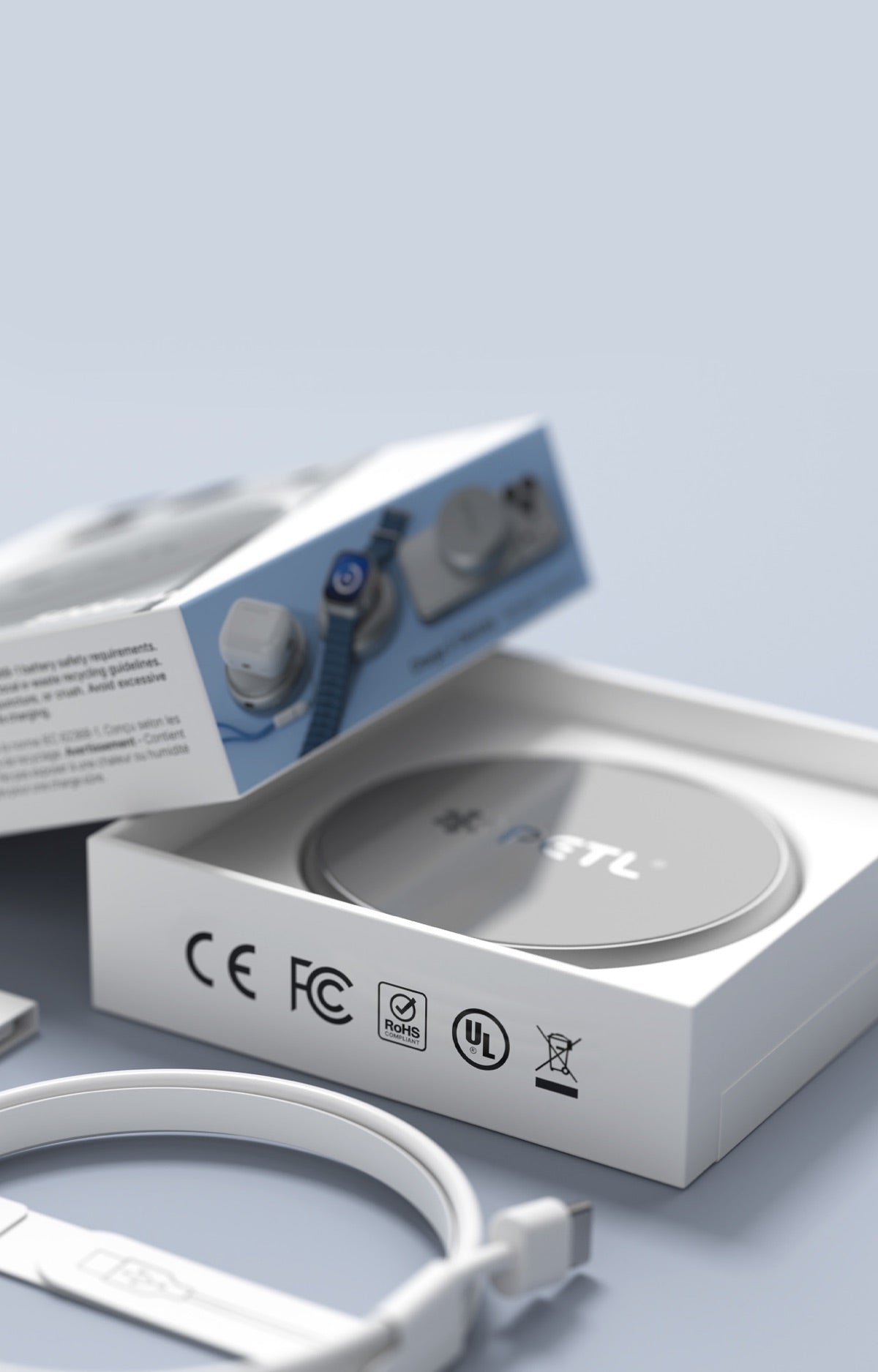
Both PETL models charge all three devices Apple customers typically carry — iPhone magnetically via MagSafe-compatible wireless, Apple Watch via Qi-compatible wireless, and AirPods via Qi wireless — with no cables, no apps, and no setup. This replaces a tangle of accessories with a single puck.
Most rectangular MagSafe battery packs charge iPhone only. The Apple-branded MagSafe Battery Pack, notably, does not charge Apple Watch at all. For users already carrying an Apple Watch daily, the PETL's three-device coverage is a meaningful functional advantage that rarely appears in mainstream rectangular-pack comparisons.
The Honest Bottom Line: Which Shape Is Actually Better for EDC?
If thinness on a caliper is your only criterion and corners don't bother you, some ultra-slim rectangular packs will measure thinner than PETL at the center. That's a real trade-off and this article isn't going to pretend otherwise.
But if you're optimizing for everyday carry — meaning the pack you actually take with you every single day, slip into a jeans pocket without thinking about it, and use habitually without friction — the circular form factor wins on the metrics that matter most in practice:
- Perceived pocket bulk: No corners, no snagging, slides in and out like a disc.
- Coil alignment: Disc geometry naturally centers on MagSafe's circular footprint for cleaner, cooler charging.
- Combined phone silhouette: Phone-plus-disc looks and feels like a phone. Phone-plus-rectangle looks and feels like a phone with something strapped to it.
- Ecosystem coverage: One PETL handles iPhone, Apple Watch, and AirPods — no second charger needed.
- Design you'll actually carry: Premium materials and considered colorways make PETL feel like a chosen accessory, not a reluctant utility item.
PETL is not the highest-capacity pack on the market, and it's not trying to be. Most people don't need a reservoir — they need confident, frictionless daily top-ups in the thinnest, most pocket-friendly package available. For that user, there is currently no circular MagSafe battery pack alternative that competes with what PETL has built.
If that sounds like you, explore both sizes at gopetl.com — the original PETL at $64.95 for the most pocketable daily carry, or the PETL 2 Plus at $89.95 if you want the 5,000 mAh sweet spot in a circular form factor.
Frequently asked questions
What is a circular MagSafe battery pack and how does it differ from a rectangular one?
A circular MagSafe battery pack is a disc-shaped wireless battery pack that matches the round footprint of Apple's MagSafe charging standard. It snaps magnetically to the back of an iPhone 12 through iPhone 16 just like a rectangular MagSafe pack does — but its round shape means no protruding corners, a more natural fit against the phone's circular charging coil, and a smoother experience sliding in and out of a jeans pocket. PETL makes the only purpose-built circular MagSafe-compatible battery pack currently on the market.
Is a round power bank better for everyday carry than a rectangular one?
For most everyday carry use cases, yes. A round (disc) power bank has no corners to snag on pocket fabric, self-centers on the iPhone's circular MagSafe coil for better alignment, and creates a unified phone-shaped silhouette when attached. Rectangular packs can achieve thinner measurements at their center point, but their corners add perceived bulk and friction that round packs avoid entirely. If thinness on a caliper is your only criterion, some ultra-slim rectangular packs measure thinner. For holistic pocket feel, the disc wins.
Does coil alignment affect MagSafe charging efficiency, and does a circular pack help?
Yes — wireless charging efficiency depends heavily on how well the charging coil in the battery pack aligns with the receiving coil in your iPhone. Misalignment causes energy losses that manifest as heat, which can slow charging and trigger iPhone's thermal throttling. A circular battery pack centered on the round MagSafe footprint is geometrically predisposed to better alignment than a rectangular pack, whose housing actively obscures whether the internal (still circular) coil is properly centered. Strong N52 neodymium magnets, like those in both PETL models, reinforce this alignment.
Is 3,000 mAh enough for everyday carry, or should I choose the 5,000 mAh PETL 2 Plus?
It depends on your daily usage pattern. The original PETL (3,000 mAh) is designed for confident top-ups — ideal for daily commuters and light-to-moderate iPhone users who reliably charge overnight and need one solid boost during the day. The PETL 2 Plus (5,000 mAh) delivers a near-full iPhone recharge and is better for heavier users, longer travel days, or anyone who occasionally forgets to recharge their pack. If you run your phone hard all day or spend multiple days away from an outlet, choose the PETL 2 Plus. If you want the most pocketable daily top-up, the original PETL is the right pick.
Can a circular MagSafe battery pack charge Apple Watch and AirPods too?
Yes — both PETL models charge all three devices Apple users typically carry: iPhone via MagSafe-compatible wireless, Apple Watch via Qi-compatible wireless, and AirPods via Qi wireless, all with no cables or apps required. This is a meaningful advantage over many rectangular MagSafe battery packs, including Apple's own MagSafe Battery Pack, which does not charge Apple Watch at all.
Does PETL appear in the iPhone battery widget?
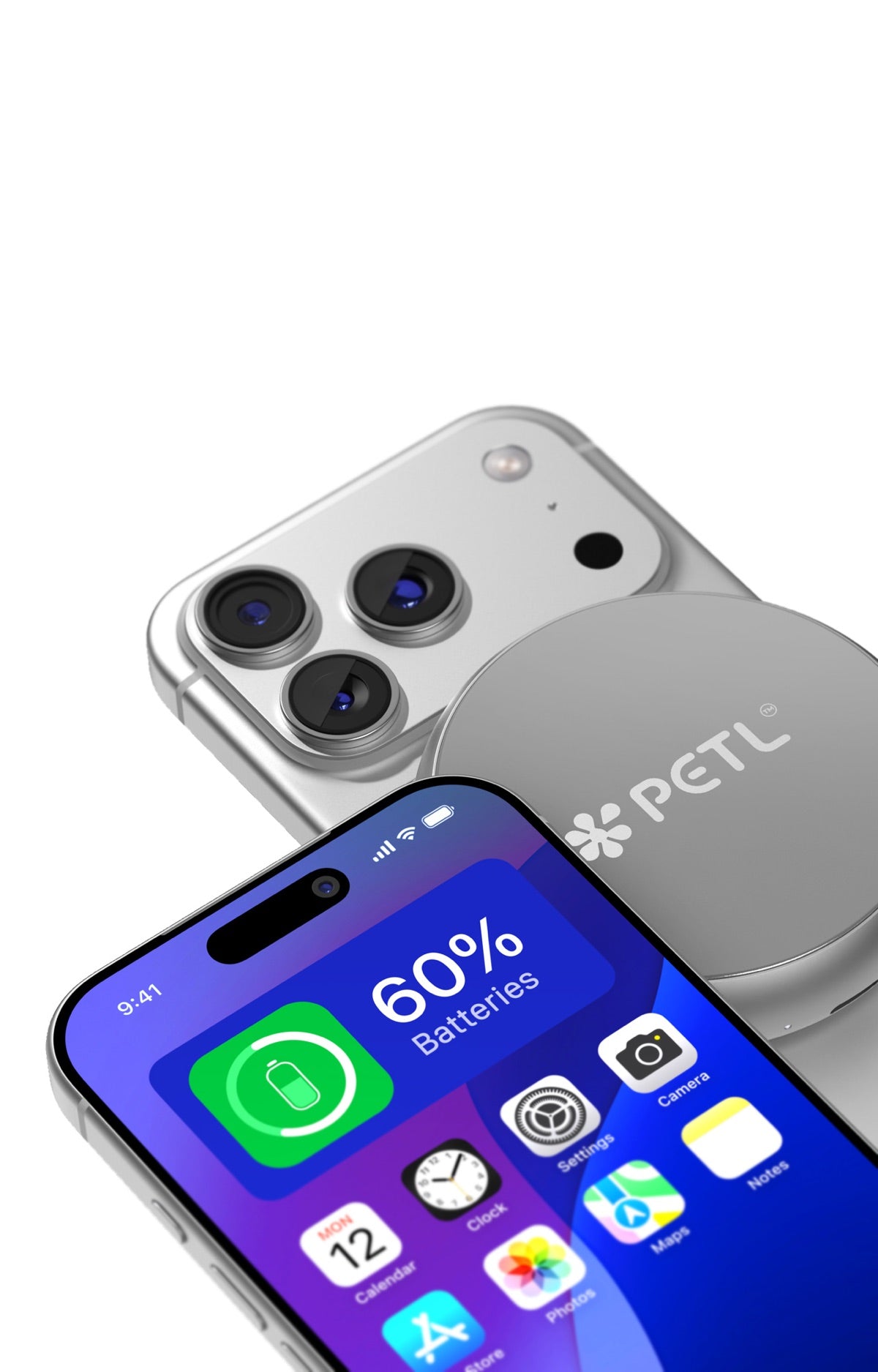
Yes. Both the original PETL and the PETL 2 Plus appear natively in the iOS battery widget, showing the pack's remaining charge at a glance alongside your iPhone, Apple Watch, and AirPods — no app download or setup required. This is a quality-of-life feature that not every third-party MagSafe battery pack supports.
Share:
5000 mAh vs 10000 mAh Power Bank: Which Size Do You Need?
Is the PETL Charger Worth It? Honest Review from 1,000+ Buyers